260 Featured Specimen
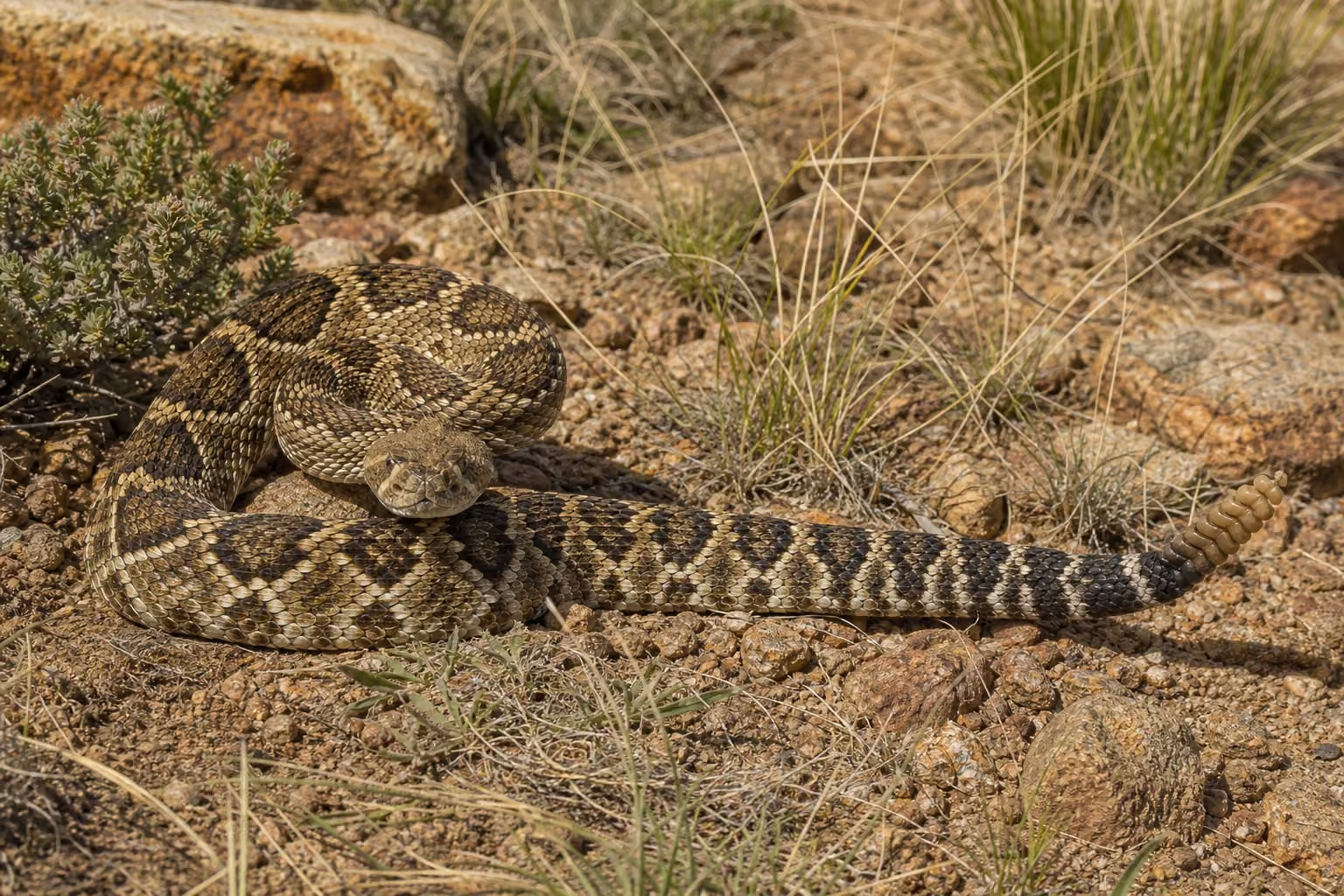
Western diamondback rattlesnake

Details

Western diamondback rattlesnake

Crotalus atrox

Size
1.2–2.1 m · 1–7 kg
Diet
Carnivore
Activity
Diurnal
Sociality
Solitary
Lifespan
10-40 years

The western diamondback rattlesnake is a large viper of North American deserts and grasslands. It is a solitary carnivore, recognized by its tail rattle and bold diamond pattern.
Range

Habitat range map
Native range Occasional / Transient
NearcticNearcticNearcticNearcticNearcticNearcticNearcticNearcticNearcticNearcticNearcticNearcticNearcticNearcticNearcticNearcticNearcticNearcticNearcticNearcticNearcticNearcticNearcticNearcticNearcticNearcticNearcticNearcticNearcticNearcticNearcticNearcticNearcticNearcticNearcticNearcticNearcticNearcticNearcticNearcticNearctic

Map: Ecoregions 2017 © RESOLVE (CC BY 4.0) · Natural Earth (PD)

Details

Habitat

It lives in the Nearctic realm, especially deserts, scrub, and dry grasslands. It favors places where open hunting ground lies close to rocks, burrows, or other cover.

Appearance

Adults measure about 120-210 cm and weigh about 1-7 kg. The heavy body is patterned with brown diamonds, and the tail ends in a rattle used as a warning signal.

Behavior

This species is mainly solitary and is treated here as diurnal. In strong heat it shelters or shifts into shade, then relies on warning posture before striking.

Feeding

It is carnivorous, taking small mammals, birds, and reptiles by ambush. Venom subdues prey, which the snake then tracks by scent.

Reproduction

Females give birth to live young rather than laying eggs. Newborns already have functional venom and quickly begin solitary lives.

Notes

Its conservation status is LC, and it remains widespread. Because encounters with people can occur, it is best observed from a respectful distance.