540 Featured Specimen
California kingsnake

Details

California kingsnake

Lampropeltis californiae

Size
Total length 0.8–2 m · 0.3–1.5 kg
Diet
Carnivore
Activity
Cathemeral
Sociality
Solitary
Lifespan

The California kingsnake is a nonvenomous snake of the western United States and northwestern Mexico. Variable bands or stripes and resistance to rattlesnake venom make it famous.
Range

Habitat range map
Native range Occasional / Transient
NearcticNearcticNearcticNearcticNearcticNearcticNearcticNearcticNearcticNearcticNearcticNearcticNearcticNearcticNearcticNearcticNearcticNearcticNearcticNearcticNearcticNearcticNearcticNearcticNearcticNearcticNearcticNearcticNearcticNearcticNearcticNearcticNearcticNearcticNearcticNearcticNearcticNearcticNearcticNearcticNearctic

Map: Ecoregions 2017 © RESOLVE (CC BY 4.0) · Natural Earth (PD)

Details

Habitat

It uses deserts, grasslands, scrub, woodland, wetlands and human edges in California, Nevada, Arizona, Utah and Baja California. Shelter is often under rocks or debris.

Appearance

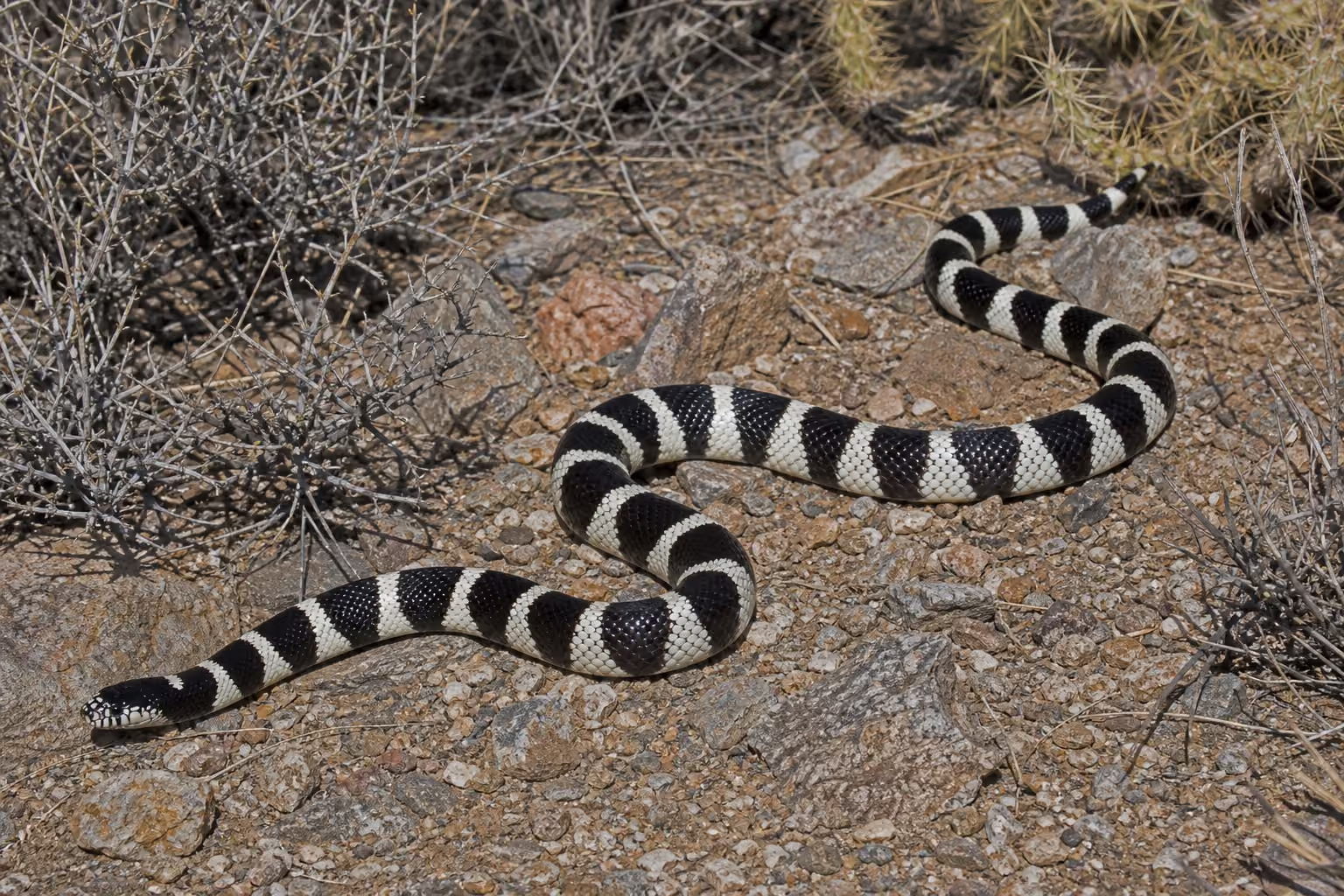
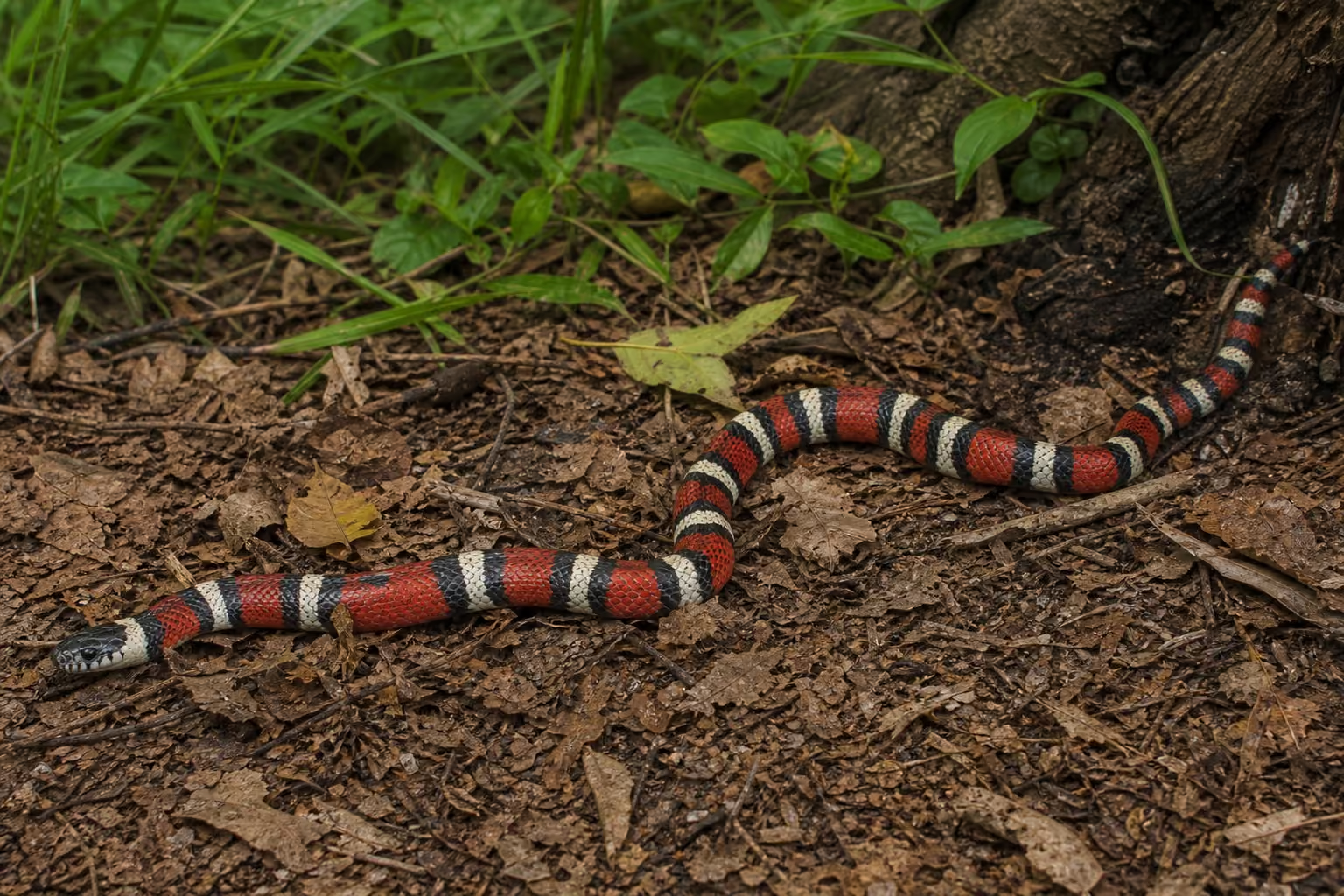
Adults are 76-200 cm long and about 300-1500 g. Most have alternating black-and-white or brown-and-cream bands, though striped and dark forms occur.

Behavior

It can be active by day or night depending on temperature. When threatened, it may vibrate the tail and retreat into cover.

Feeding

Rodents, lizards, birds, eggs and other snakes are constricted and eaten. Resistance to rattlesnake venom allows it to prey on venomous snakes.

Reproduction

The species lays eggs after spring mating. Hatchlings emerge in summer and begin taking small reptiles and rodents.

Notes

It is common in captivity with many color morphs. Introduced populations on Gran Canaria have become an invasive conservation problem.