524 Featured Specimen
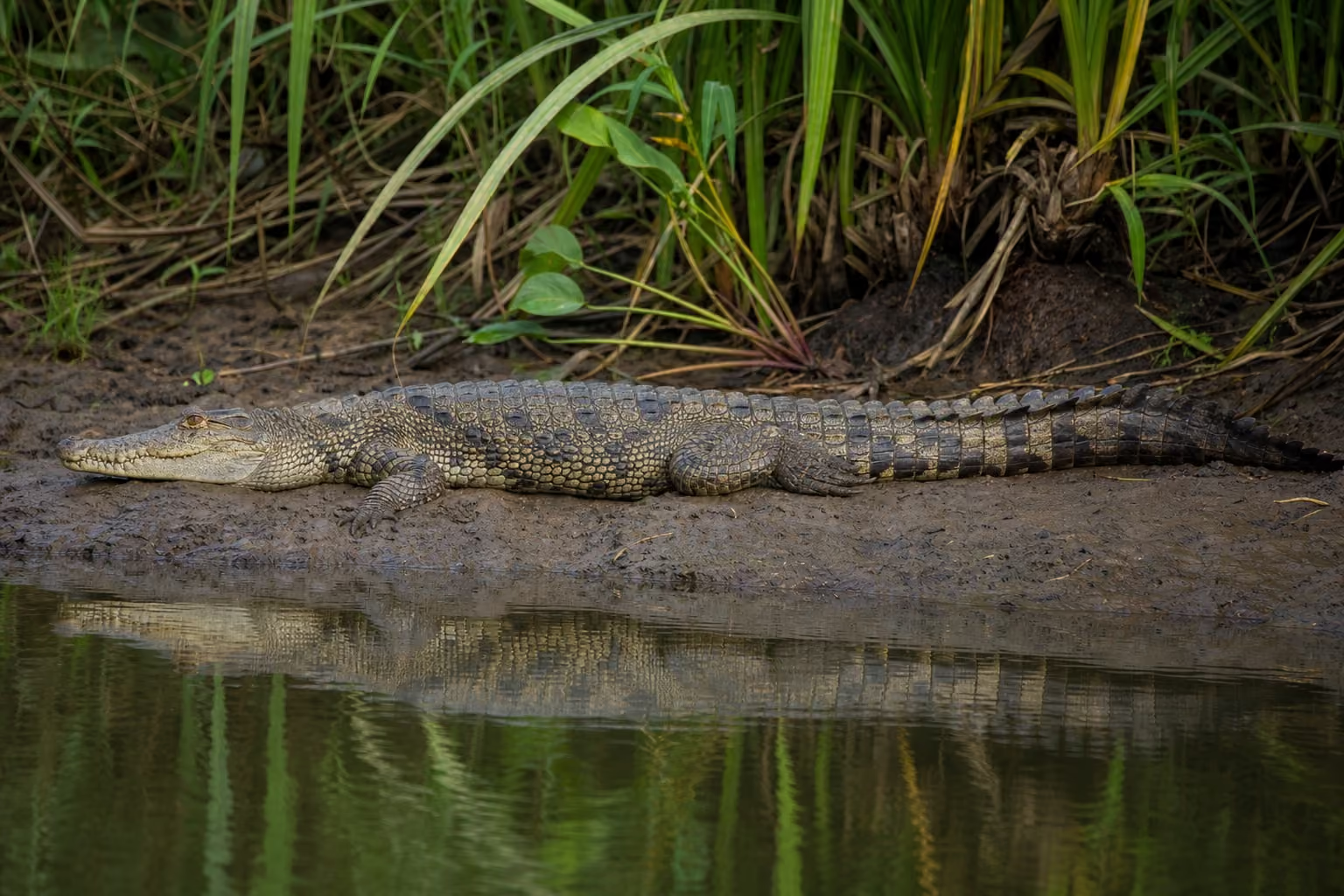
Siamese crocodile

Details

Siamese crocodile

Crocodylus siamensis

Size
Total length 1.2–4 m · 6–350 kg
Diet
Carnivore
Activity
Nocturnal
Sociality
Solitary
Lifespan

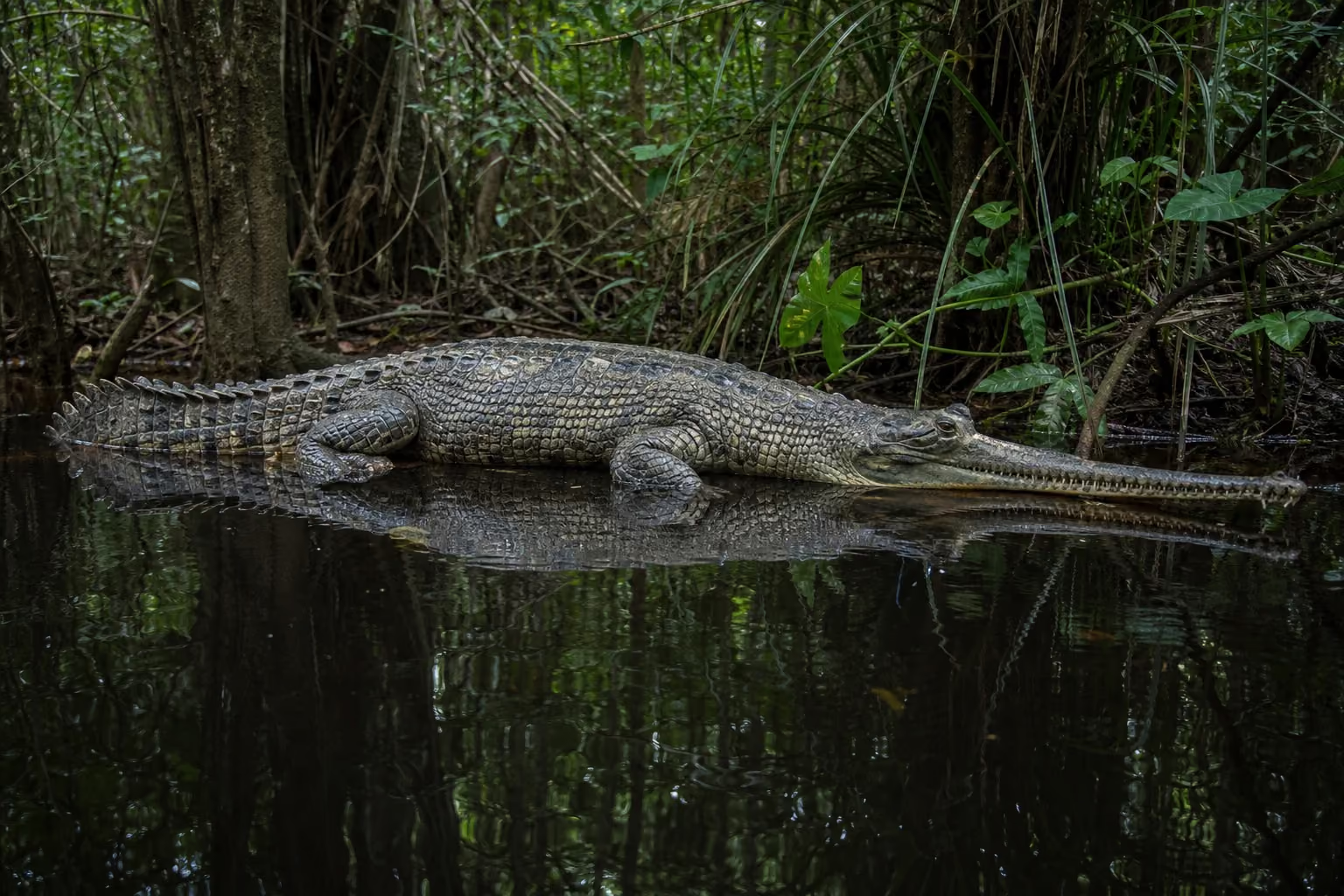
A medium-sized freshwater crocodile of Southeast Asia, recognized by its relatively broad, smooth snout and a raised bony crest behind each eye. Now nearly extinct in the wild, it survives in vast numbers only on commercial farms, a striking conservation paradox.
Range

Habitat range map
Native range Occasional / Transient
IndomalayanIndomalayanIndomalayanIndomalayanIndomalayanIndomalayanIndomalayanIndomalayanIndomalayanIndomalayanIndomalayanIndomalayanIndomalayanIndomalayanIndomalayan

Map: Ecoregions 2017 © RESOLVE (CC BY 4.0) · Natural Earth (PD)

Details

Habitat

It ranges from Indonesia (including Borneo) through Laos, Cambodia, Thailand, and Vietnam, living in slow-moving rivers and streams, lakes, seasonal oxbow lakes, marshes, and swamps. Once widespread, its surviving wild populations are now severely fragmented.

Appearance

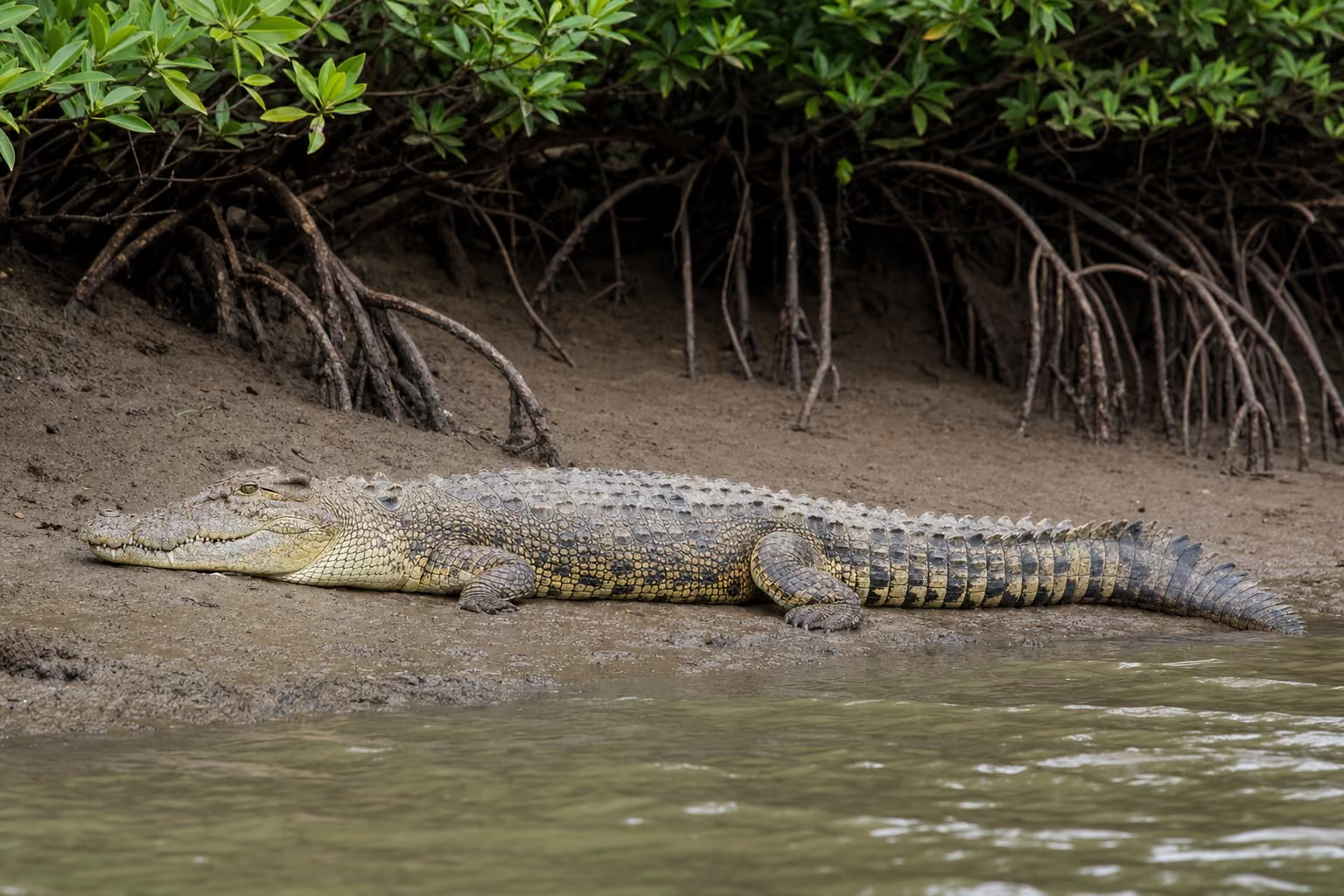
Adults span roughly 120 to 400 cm and weigh from 6 up to 350 kg, with the largest males being heaviest. The snout is relatively broad and smooth, and a bony crest rises behind each eye. Coloration is olive to dark green, and juveniles carry dark cross-bands.

Behavior

Most active by night, it lives a solitary life. Pure-bred individuals are generally unaggressive toward people, with only a handful of confirmed, non-fatal attacks ever recorded.

Feeding

A carnivore, it feeds mainly on fish and snakes, and also takes amphibians, small mammals, and invertebrates, ambushing prey at the water's edge.

Reproduction

The female builds a mound nest from scraped-up plant debris mixed with mud. In the wet season around April and May she lays 15 to 50 eggs, which incubate for roughly 80 days. She guards the nest and carries the hatchlings to water in her jaws.

Notes

One of the most endangered crocodilians, it has vanished from about 99% of its original range. Wetland conversion, dams, illegal capture for farms, and hybridization with saltwater crocodiles all threaten it, yet protected wild breeding in Cambodia offers tentative signs of recovery.