525 Featured Specimen
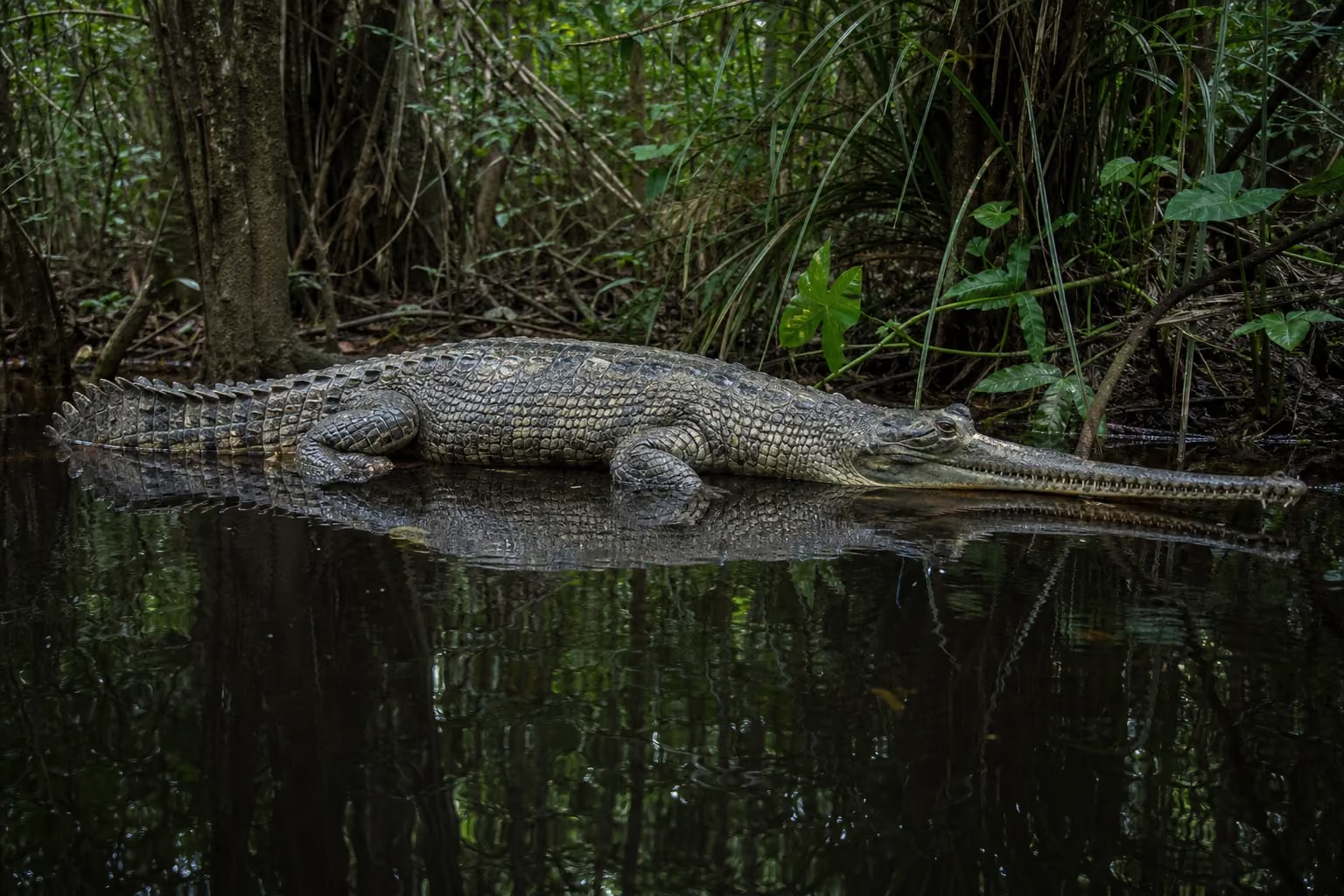
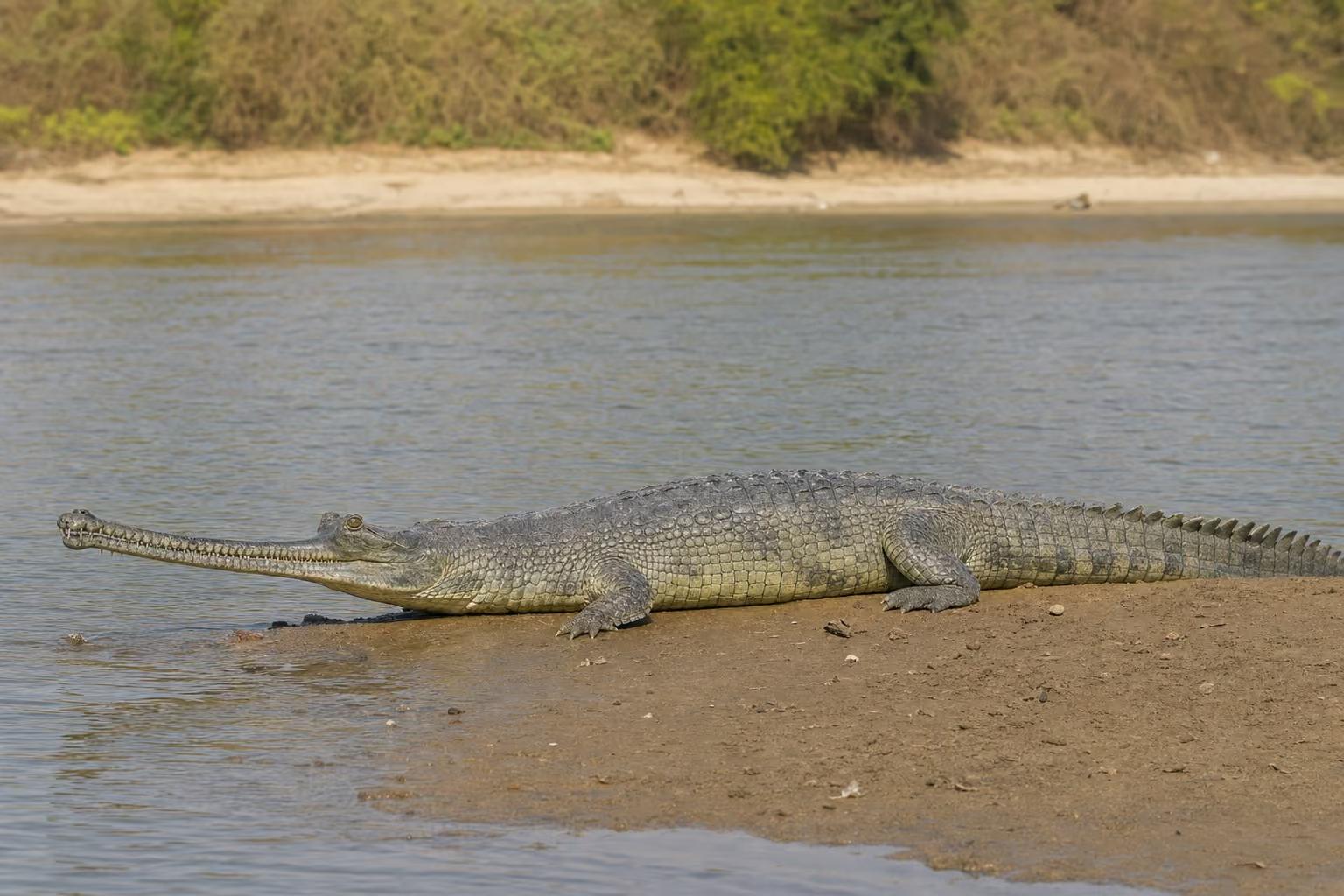
False gharial

Details

False gharial

Tomistoma schlegelii

Size
Total length 2.7–5 m · 93–600 kg
Diet
Carnivore
Activity
Nocturnal
Sociality
Solitary
Lifespan

A large crocodilian bearing one of the slimmest snouts of any living species, with a smooth, elongated muzzle and interlocking needle-like teeth. Though crocodile-like in appearance, DNA places it within the gharial family, Gavialidae.
Range

Habitat range map
Native range Occasional / Transient
IndomalayanIndomalayanIndomalayanIndomalayanIndomalayanIndomalayanIndomalayanIndomalayanIndomalayanIndomalayanIndomalayanIndomalayanIndomalayanIndomalayanIndomalayan

Map: Ecoregions 2017 © RESOLVE (CC BY 4.0) · Natural Earth (PD)

Details

Habitat

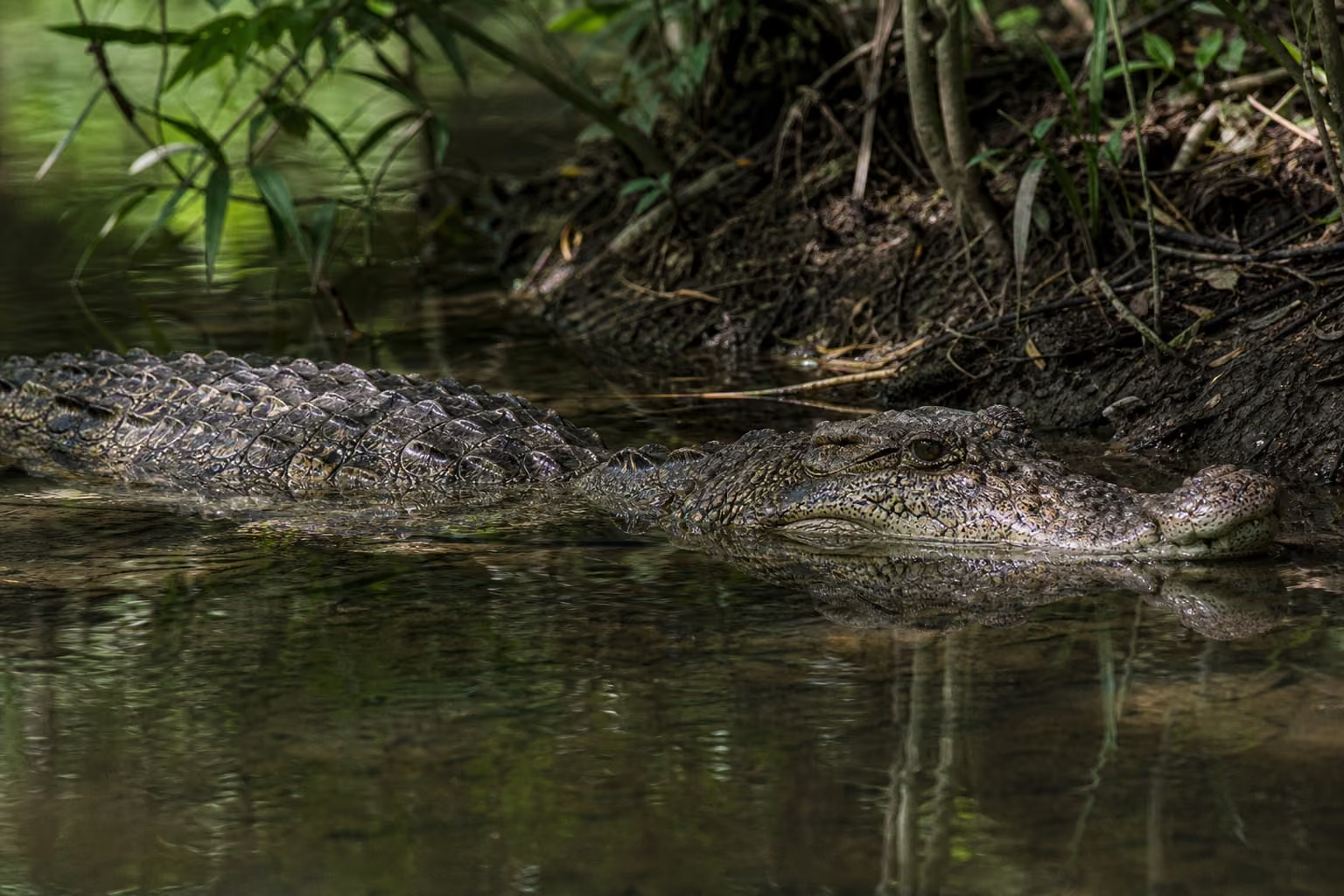
It ranges across the tropical lowlands of Peninsular Malaysia, Borneo, and Sumatra. It favours low-salinity freshwater habitats such as peat swamps, lowland swamp forests, and slow rivers and lakes fringed by forest.

Appearance

A large reptile reaching roughly 2.7 to 5 m long and weighing up to 600 kg. The back is dark reddish-brown with dark spots and cross-bands, the underside greyish-white. The snout broadens markedly toward its base, set in what is among the largest skulls of any living crocodilian.

Behavior

A solitary, secretive ambush predator, it is rarely observed in the wild and little of its behaviour is documented. Courtship and nesting are tied to the rainy periods of the year, when it stays close to water.

Feeding

A carnivore once thought to take only fish, it is in fact a generalist hunter. Alongside fish, adults seize larger vertebrates including proboscis monkeys, long-tailed macaques, deer, water birds, and reptiles.

Reproduction

The female builds a mound nest of dead leaves up to 60 cm high in shaded vegetation by the water. She lays a small clutch of 13 to 35 eggs, the largest of any living crocodilian, which hatch in about 75 to 90 days; maturity comes late, at 2.5 to 3 m in length.

Notes

Drainage of its freshwater swamps for oil-palm plantations, together with hunting for skin, meat, and eggs, has reduced its numbers, and it is now endangered. It is listed on CITES Appendix I, restricting international trade.