087 Featured Specimen
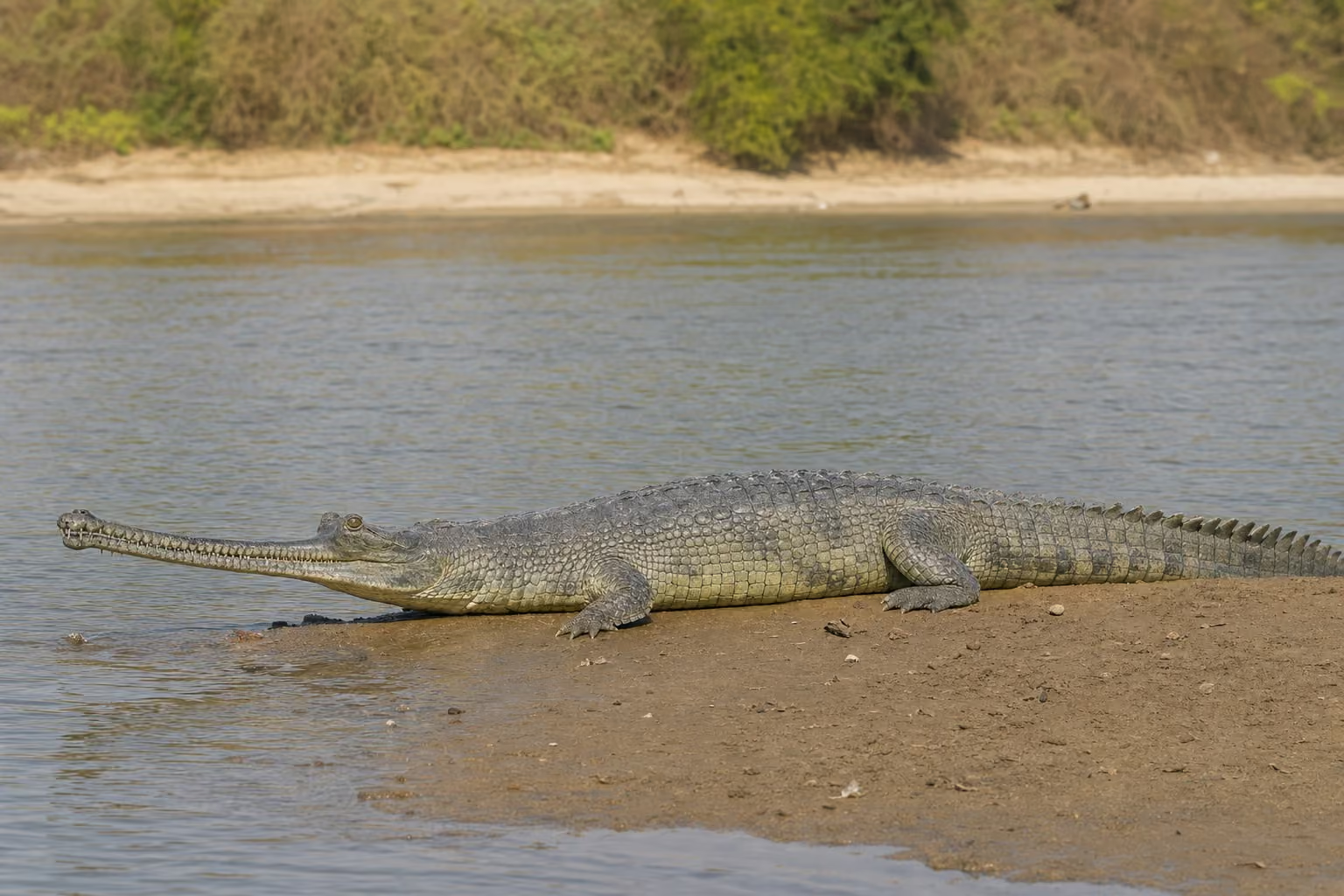
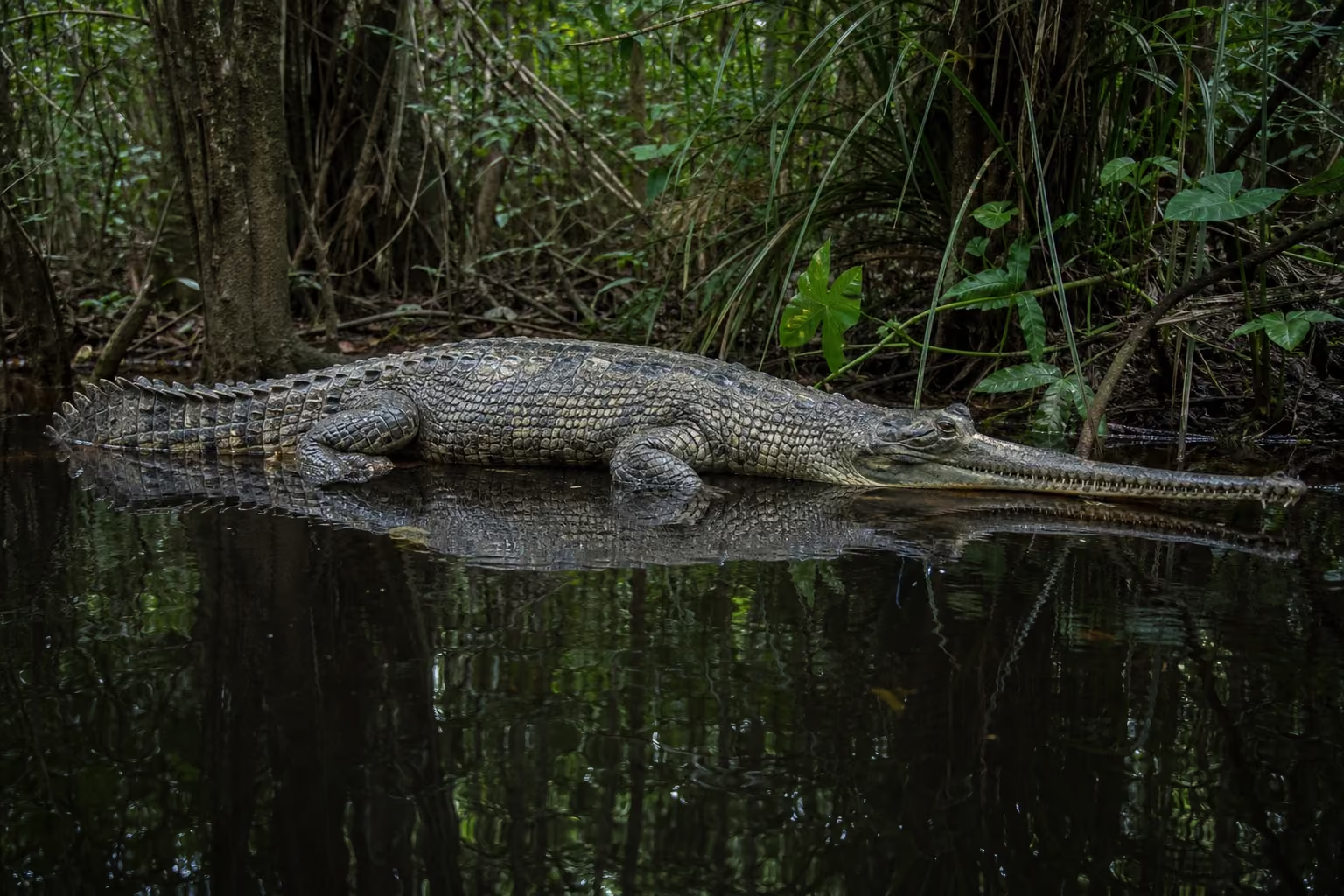
Gharial

Details

Gharial

Gavialis gangeticus

Size
3.5–6 m · 0.2–1 t
Diet
Carnivore
Activity
Diurnal
Sociality
Loose group
Lifespan
Varies by species and environment

The most thoroughly aquatic of all crocodilians, instantly known by its extraordinarily long, slender snout. It hunts fish in the great rivers of the Indian subcontinent, and mature males grow a bulbous nasal boss called a ghara at the tip of the snout.
Range

Habitat range map
Native range Occasional / Transient
IndomalayanIndomalayanIndomalayanIndomalayanIndomalayanIndomalayanIndomalayanIndomalayanIndomalayanIndomalayanIndomalayanIndomalayanIndomalayanIndomalayanIndomalayan

Map: Ecoregions 2017 © RESOLVE (CC BY 4.0) · Natural Earth (PD)

Details

Habitat

A freshwater species of clear, sand-banked rivers across the northern Indian subcontinent, including the Ganges and Brahmaputra. Once ranging from the Indus to the Irrawaddy, it now survives in only a handful of river stretches in India and Nepal, a fraction of its historical range.

Appearance

A large crocodilian reaching 3.5 to 6 metres long and up to around a tonne in weight, olive to dark brown in colour. The narrow snout carries more than a hundred sharp interlocking teeth suited to seizing fish. Males grow larger than females and, on maturity, develop the hollow ghara at the snout tip.

Behavior

The most water-bound of the crocodilians, it leaves the river mainly to bask and to nest, and cannot raise its body to walk on land as other crocodiles do. In winter, juveniles and adults gather to bask together in groups on sandbanks.

Feeding

A specialised, carnivorous fish-eater, it sweeps its slender snout sideways through the water, where it meets little resistance, to snatch prey and swallows it whole. Young gharials also take insects, tadpoles and small fish.

Reproduction

Courtship and mating begin by mid-February at the end of the cold season, and females lay 20 to 95 eggs in riverside sandbanks in late March to early April. After 71 to 93 days of incubation the young hatch in July, just before the monsoon. The female digs out the hatchlings in response to their calls and guards them near the nest.

Notes

Habitat loss from dams and irrigation, sand-mining, and drowning in fishing gill nets drove a catastrophic decline, with more than 90 percent lost in three generations from the several thousand present in the 1940s. Captive-bred juveniles have been released since the late 1970s, yet it remains among the most urgent conservation priorities.