494 Featured Specimen
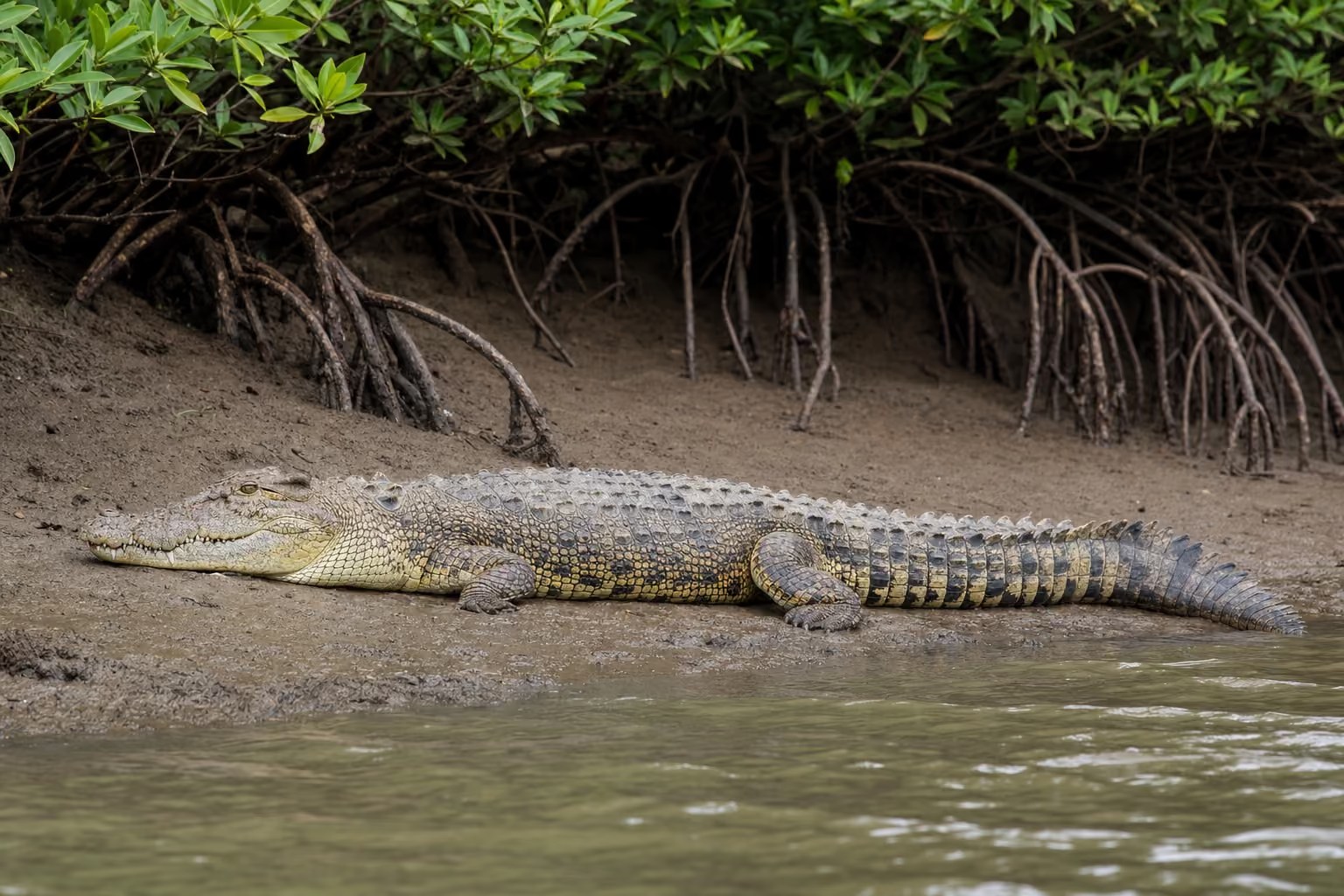
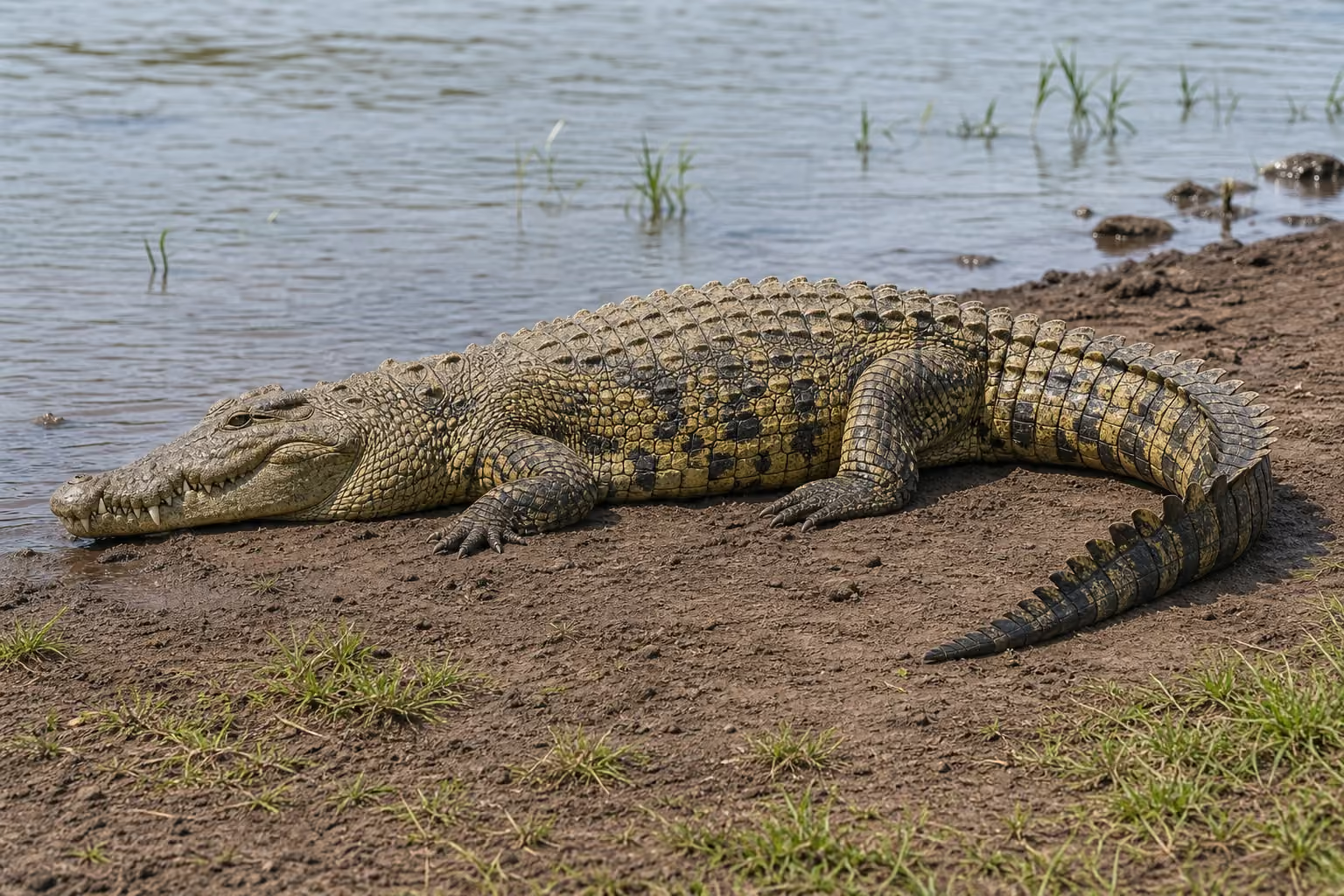
Saltwater crocodile

Details

Saltwater crocodile

Crocodylus porosus

Size
3.5–6 m · 0.4–1 t
Diet
Carnivore
Activity
Nocturnal
Sociality
Solitary
Lifespan
60–100 years

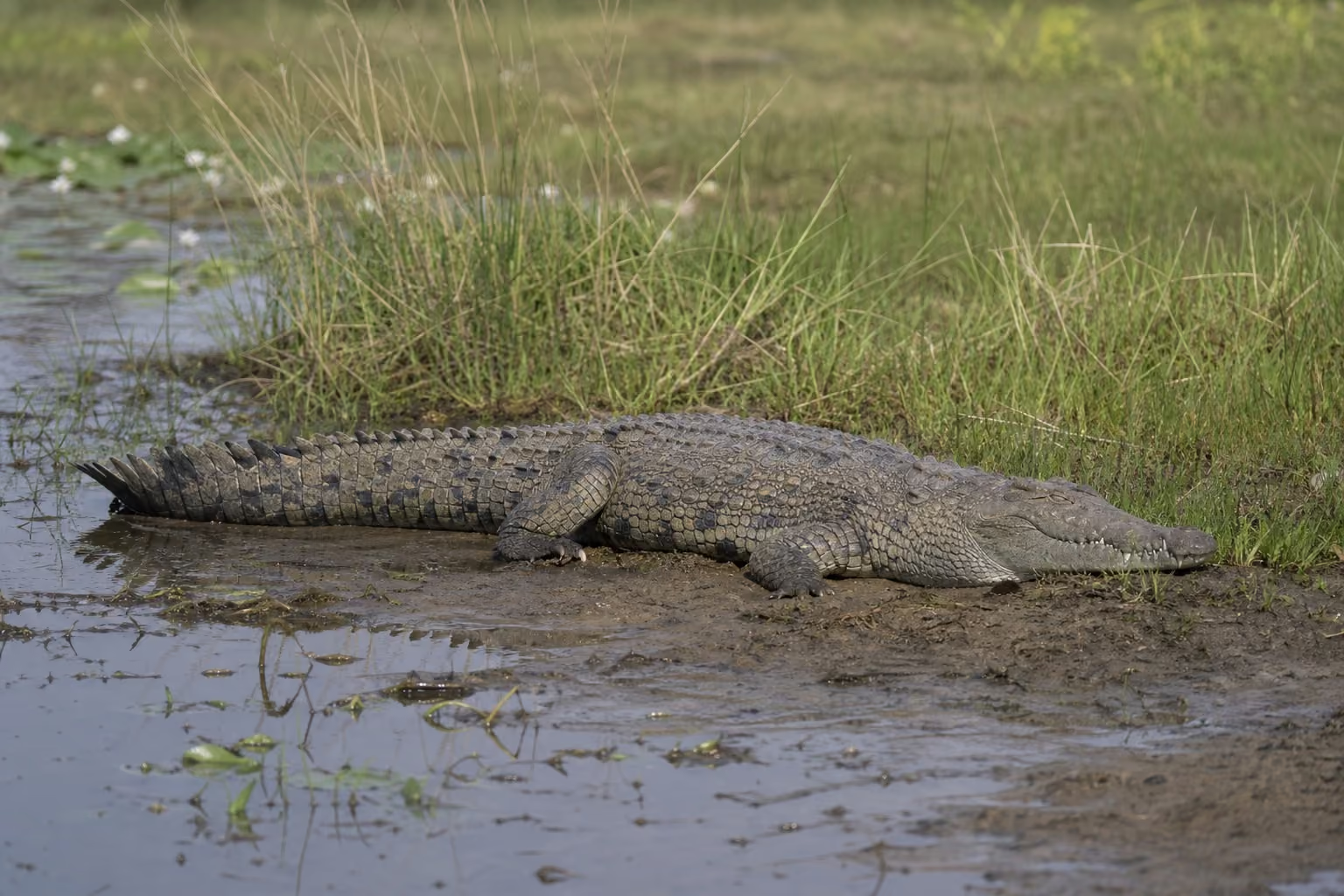
The saltwater crocodile is one of the largest living reptiles and a dominant predator of coasts and estuaries. It tolerates salt water and can travel between islands.
Range

Habitat range map
Native range Occasional / Transient
Pacific OceanPacific OceanPacific OceanIndian OceanIndomalayanIndomalayanIndomalayanIndomalayanIndomalayanIndomalayanIndomalayanIndomalayanIndomalayanIndomalayanIndomalayanIndomalayanIndomalayanIndomalayanIndomalayanAustralasianAustralasianAustralasianAustralasianAustralasianAustralasianAustralasianAustralasianAustralasianAustralasianAustralasianAustralasianAustralasianAustralasianAustralasianAustralasianAustralasian

Map: Ecoregions 2017 © RESOLVE (CC BY 4.0) · Natural Earth (PD)

Details

Habitat

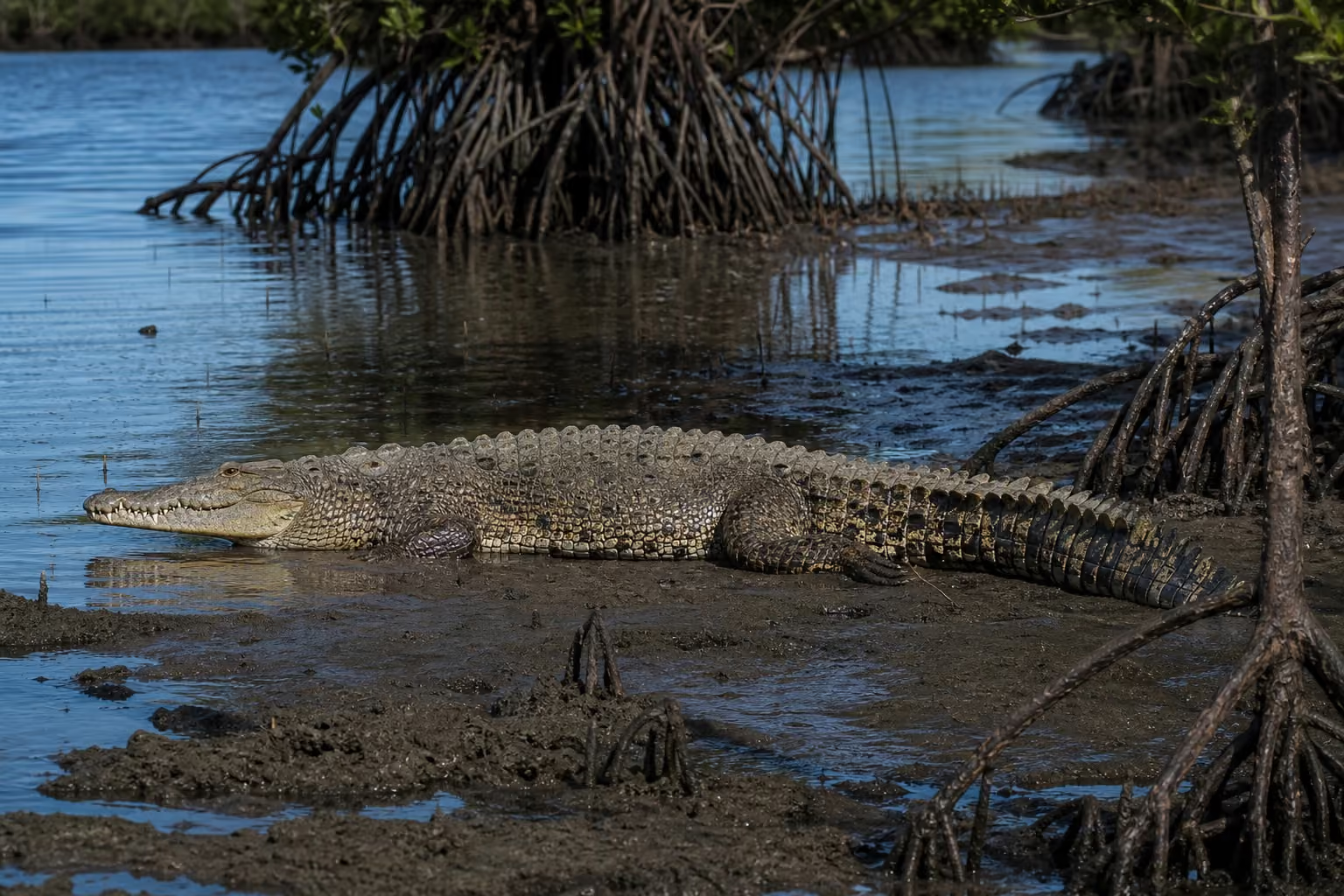
It ranges through Australasian, Indomalayan, Indian Ocean, and Pacific coasts, estuaries, and freshwater systems. Mangroves, rivers, wetlands, and shorelines are used.

Appearance

Length 350-600 cm; weight 400 kg-1 tonne. A broad head, powerful tail, heavy scales, and grey-brown adult coloration give it a massive appearance.

Behavior

Nocturnal and solitary, it ambushes near the water surface. Large territorial adults may move across extensive waterways.

Feeding

A carnivore, it takes fish, birds, mammals, and reptiles. It lunges from water at prey near the edge and holds it with powerful jaws.

Reproduction

Females lay eggs in mound nests made of vegetation and guard them. They may respond to hatchling calls and carry young toward water.

Notes

It is listed as Least Concern. Protection has helped recovery in some areas, while management is needed to reduce conflict with people.