511 Featured Specimen
American crocodile

Details

American crocodile

Crocodylus acutus

Size
Total length 2.9–4.1 m · 70–400 kg
Diet
Carnivore
Activity
Nocturnal
Sociality
Solitary
Lifespan

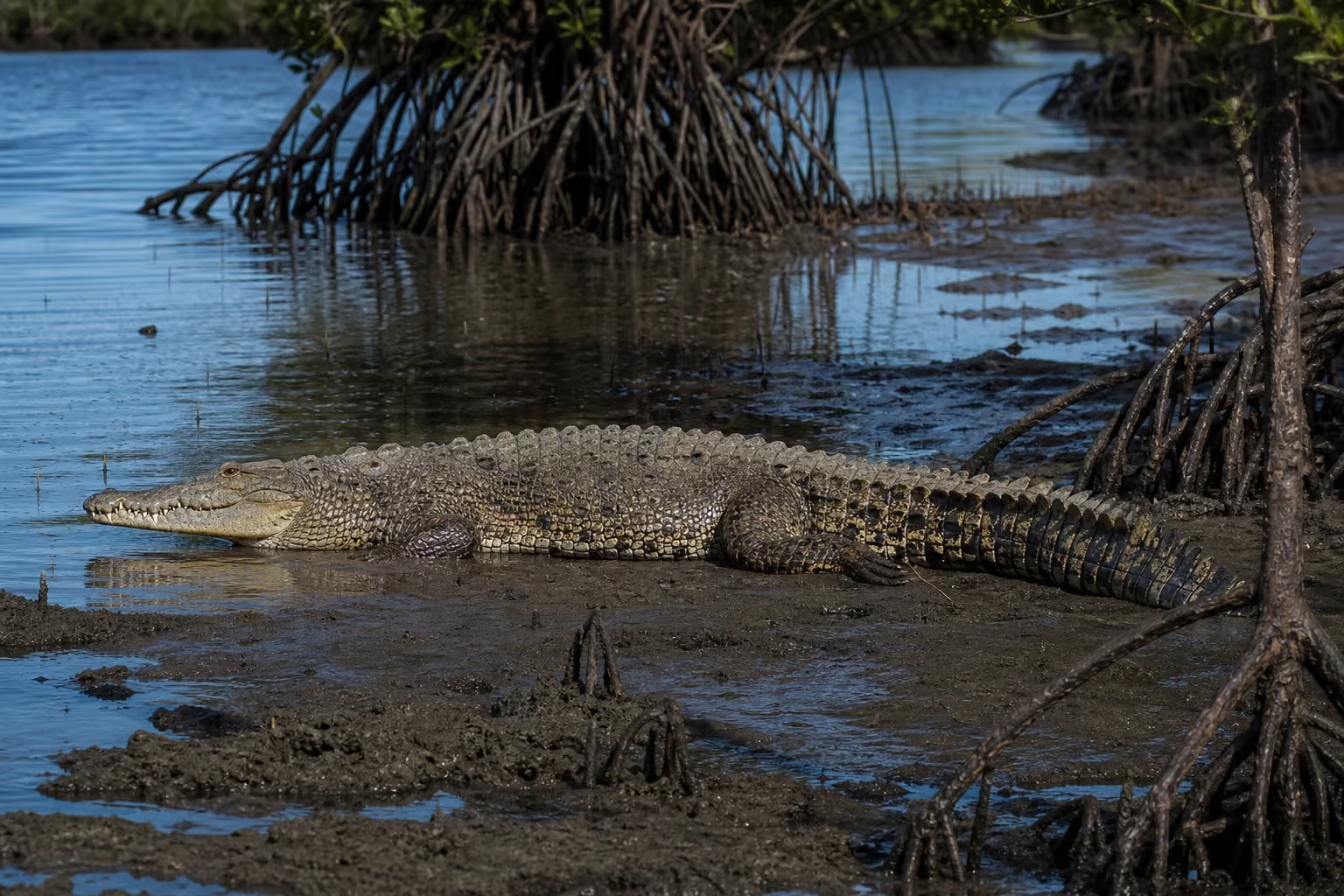
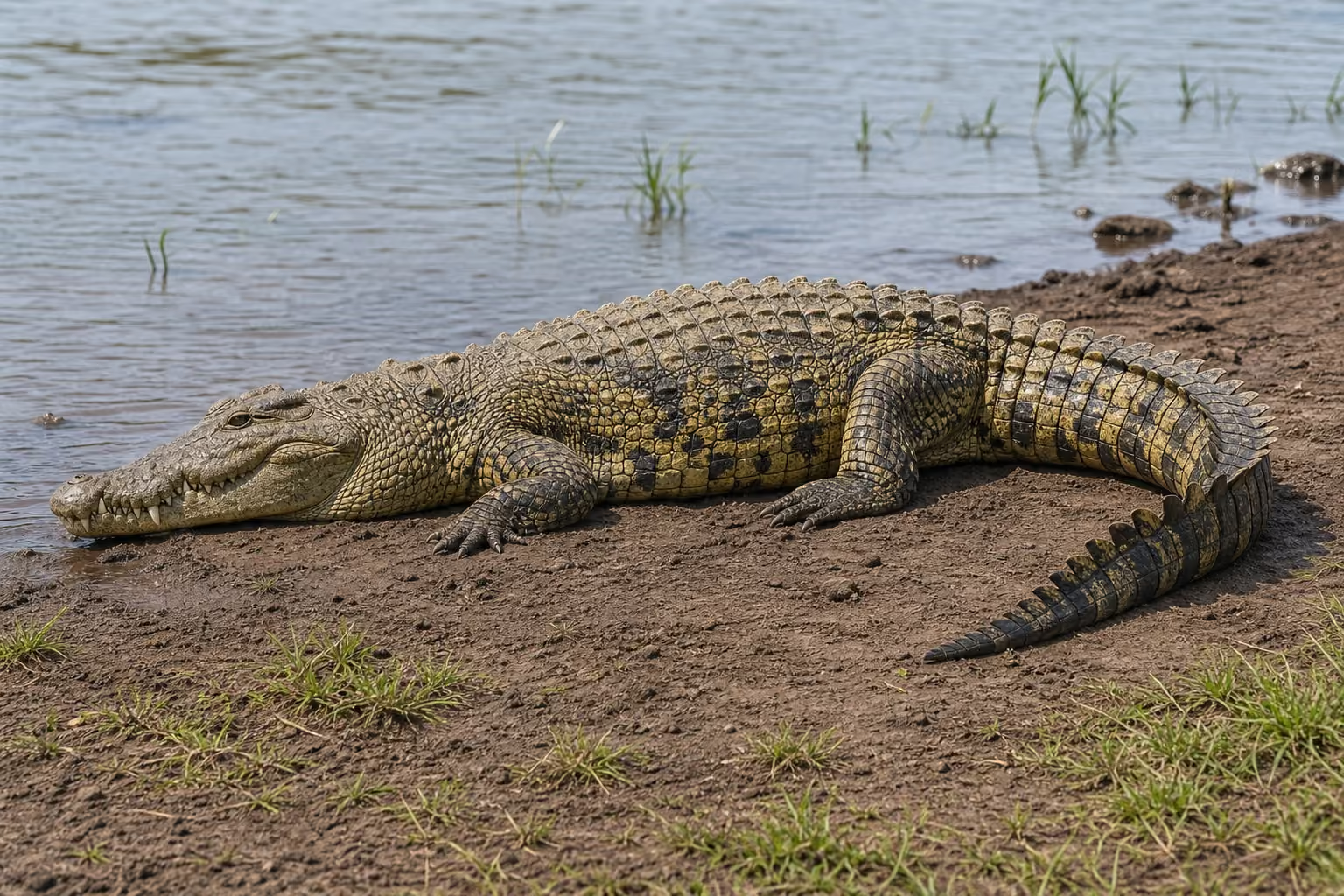
The American crocodile is the wide-ranging crocodile of the Neotropics and, along with the saltwater crocodile, one of the few species that thrives in saltwater. It is recognised by its long, slender snout bearing a bump (the medial rostral boss) in front of the eyes, and by a notably shy temperament.
Range

Habitat range map
Native range Occasional / Transient
Pacific OceanPacific OceanPacific OceanAtlantic OceanAtlantic OceanAtlantic OceanAtlantic OceanAtlantic OceanNearcticNearcticNearcticNearcticNearcticNearcticNearcticNearcticNearcticNearcticNearcticNearcticNearcticNearcticNearcticNearcticNearcticNearcticNearcticNearcticNearcticNearcticNearcticNearcticNearcticNearcticNearcticNearcticNearcticNearcticNearcticNearcticNearcticNearcticNearcticNearcticNearcticNearcticNearcticNearcticNearcticNeotropicalNeotropicalNeotropicalNeotropicalNeotropicalNeotropicalNeotropicalNeotropical

Map: Ecoregions 2017 © RESOLVE (CC BY 4.0) · Natural Earth (PD)

Details

Habitat

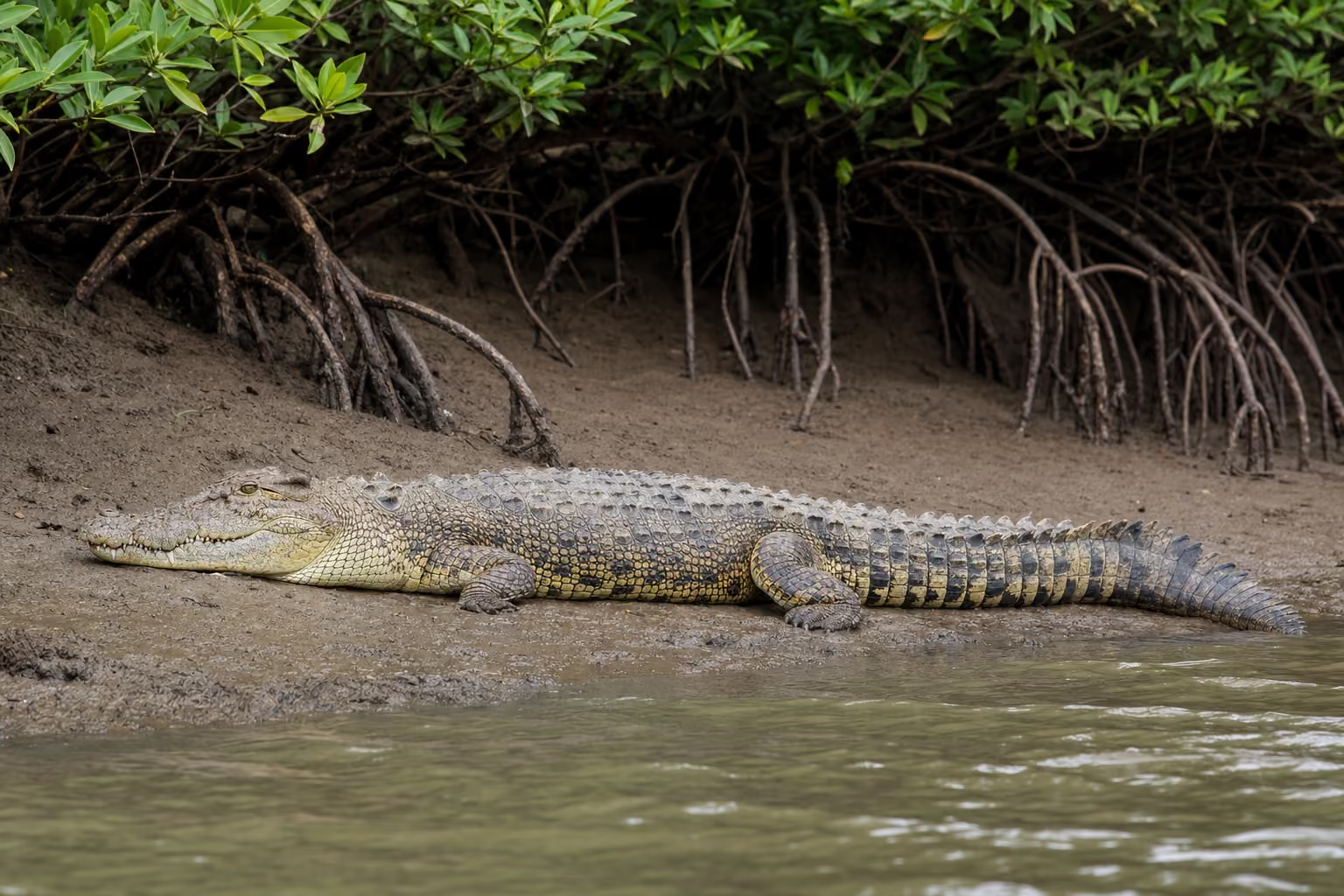
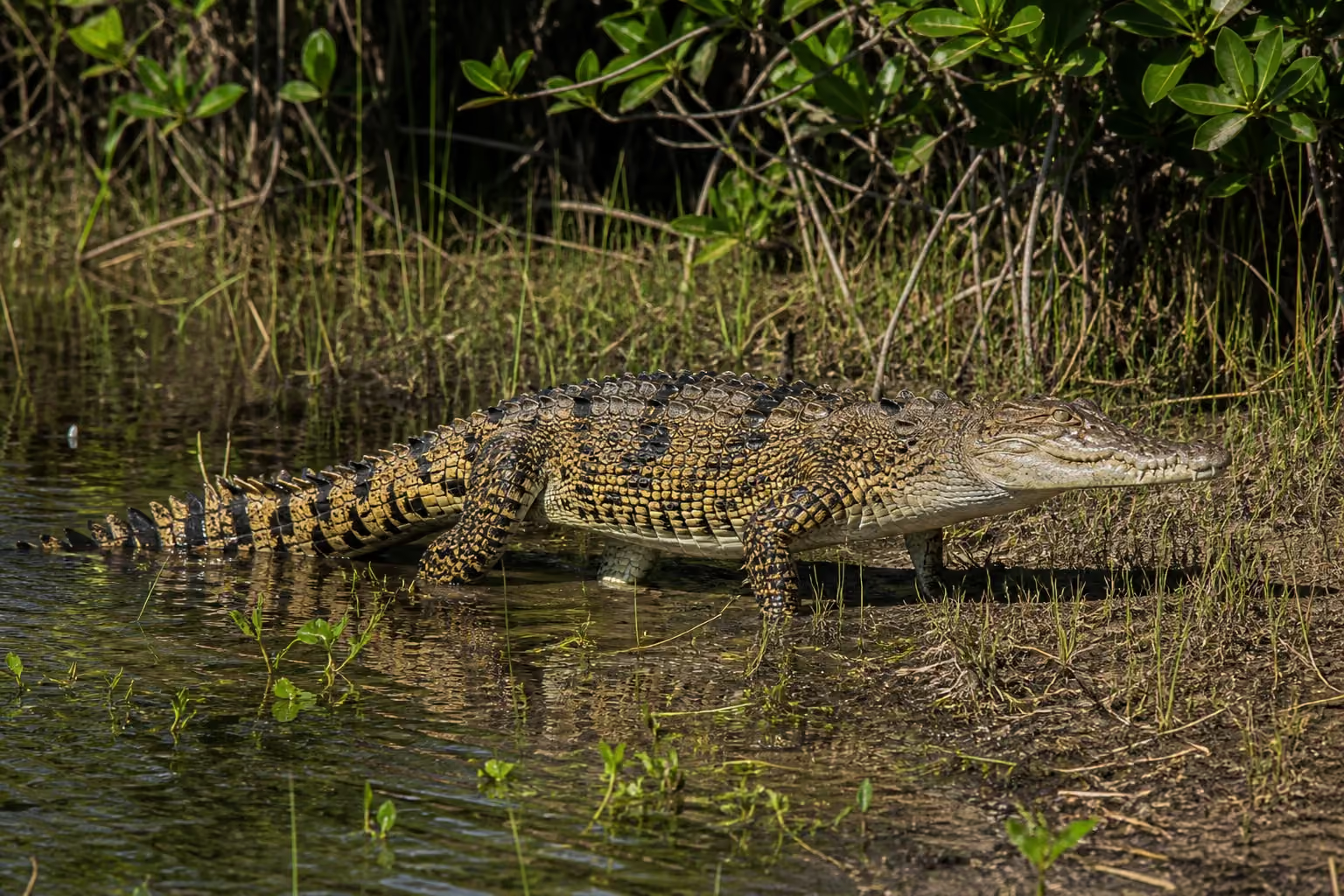
It ranges from the southern tip of Florida through Mexico, Central America and the Caribbean islands to the Pacific and Atlantic coasts of Colombia, Venezuela, Ecuador and Peru. Exceptionally salt-tolerant, it gathers in estuaries, mangrove swamps, coastal lagoons and cays, and even flourishes in hypersaline lakes such as Lago Enriquillo.

Appearance

Adults typically reach 2.9–4.1 m and weigh from 70 kg up to 400 kg, with males markedly larger than females. The body is a pale grey-brown, lighter than the American alligator's, and young animals show dark cross-bands that fade with age. The snout is slimmer than an alligator's and carries a raised bump just before the eyes.

Behavior

It is essentially solitary, with little social structure, though individuals may congregate to feed or bask. More cold-sensitive than the alligator, it cannot survive the low temperatures that alligators tolerate. It uses low-frequency sounds during courtship and hatching, and readily flees rather than confront people.

Feeding

An apex predator, it takes a wide range of prey: hatchlings eat fiddler crabs, aquatic insects and snails, while adults rely on fish, crabs, snakes, birds and riparian mammals. It ambushes prey at the water's edge, hunting mainly in the early hours of the night.

Reproduction

Breeding comes in late autumn or early winter, when males give low bellows to attract females. In February and March the female builds a mound of sand, mud and vegetation near the waterline and lays roughly 30–70 eggs depending on her size. Incubation lasts 75–80 days, sex is set by nest temperature, and the mother uncovers the hatching young in response to their calls.

Notes

The IUCN lists the species as Vulnerable. Habitat loss, hide hunting, road kills and hypersalinity events all threaten it, and the mature population is estimated at only about 5,000 individuals. In Cuba, hybridisation with the Cuban crocodile raises concerns of genetic dilution.