016 Featured Specimen
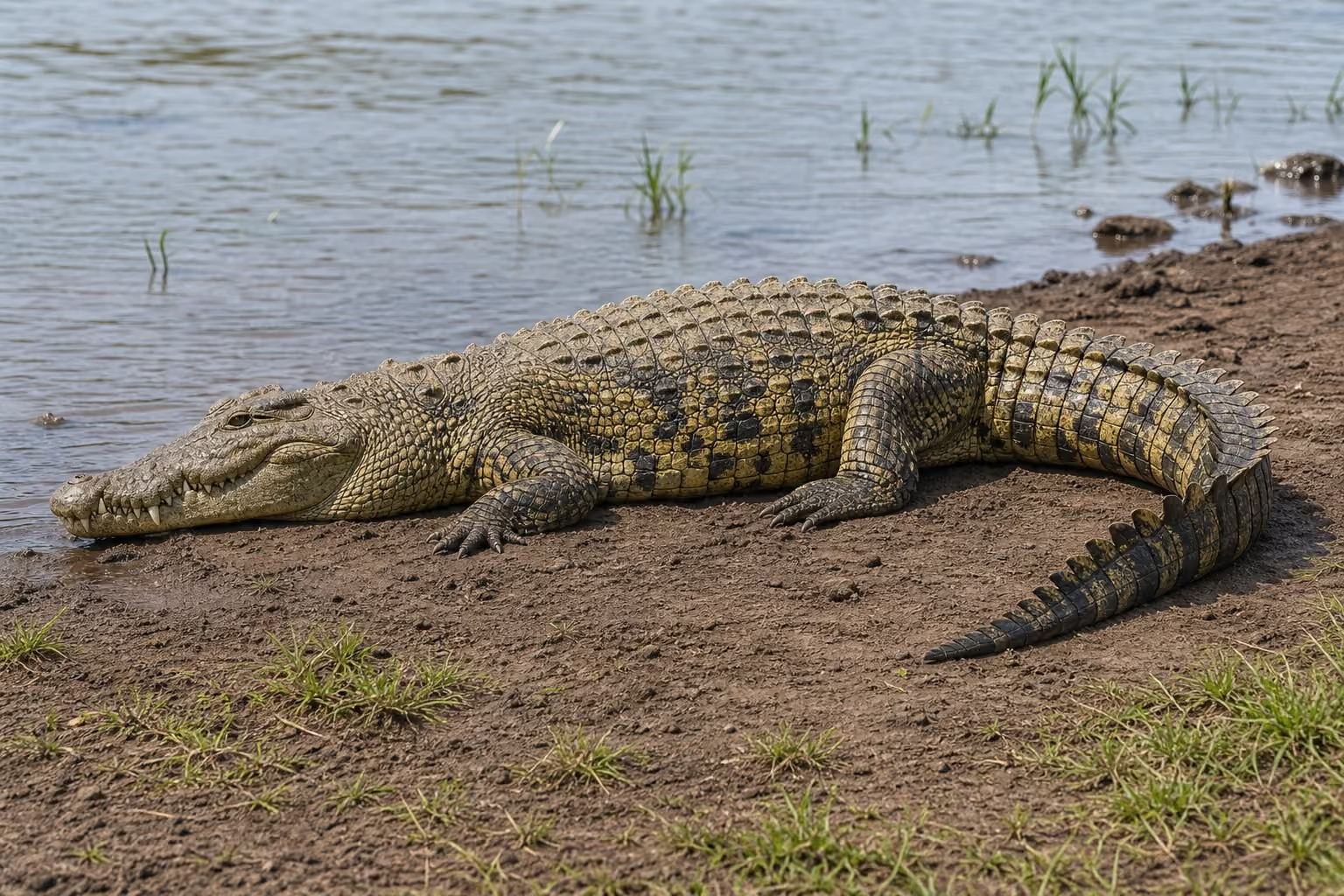
Nile crocodile

Details

Nile crocodile

Crocodylus niloticus

Size
3.5–5 m · 200–750 kg
Diet
Carnivore
Activity
Cathemeral
Sociality
Solitary
Lifespan
50–70 years

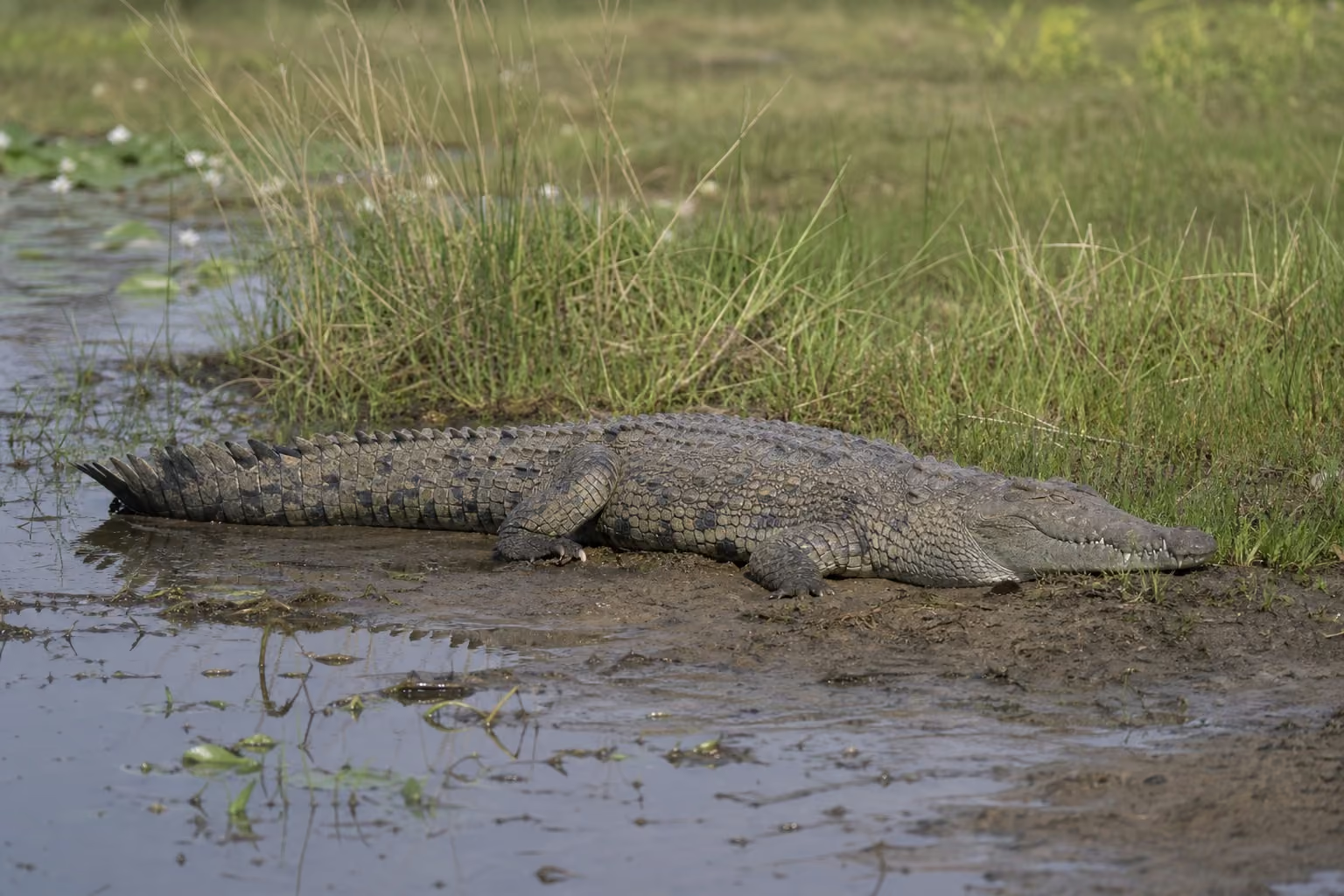
Africa's largest reptile and an apex predator of waterways across sub-Saharan Africa. With a powerful armoured body and immense jaws, it ambushes prey from the water's edge and drags it under in an instant.
Range

Habitat range map
Native range Occasional / Transient

Map: Ecoregions 2017 © RESOLVE (CC BY 4.0) · Natural Earth (PD)

Details

Habitat

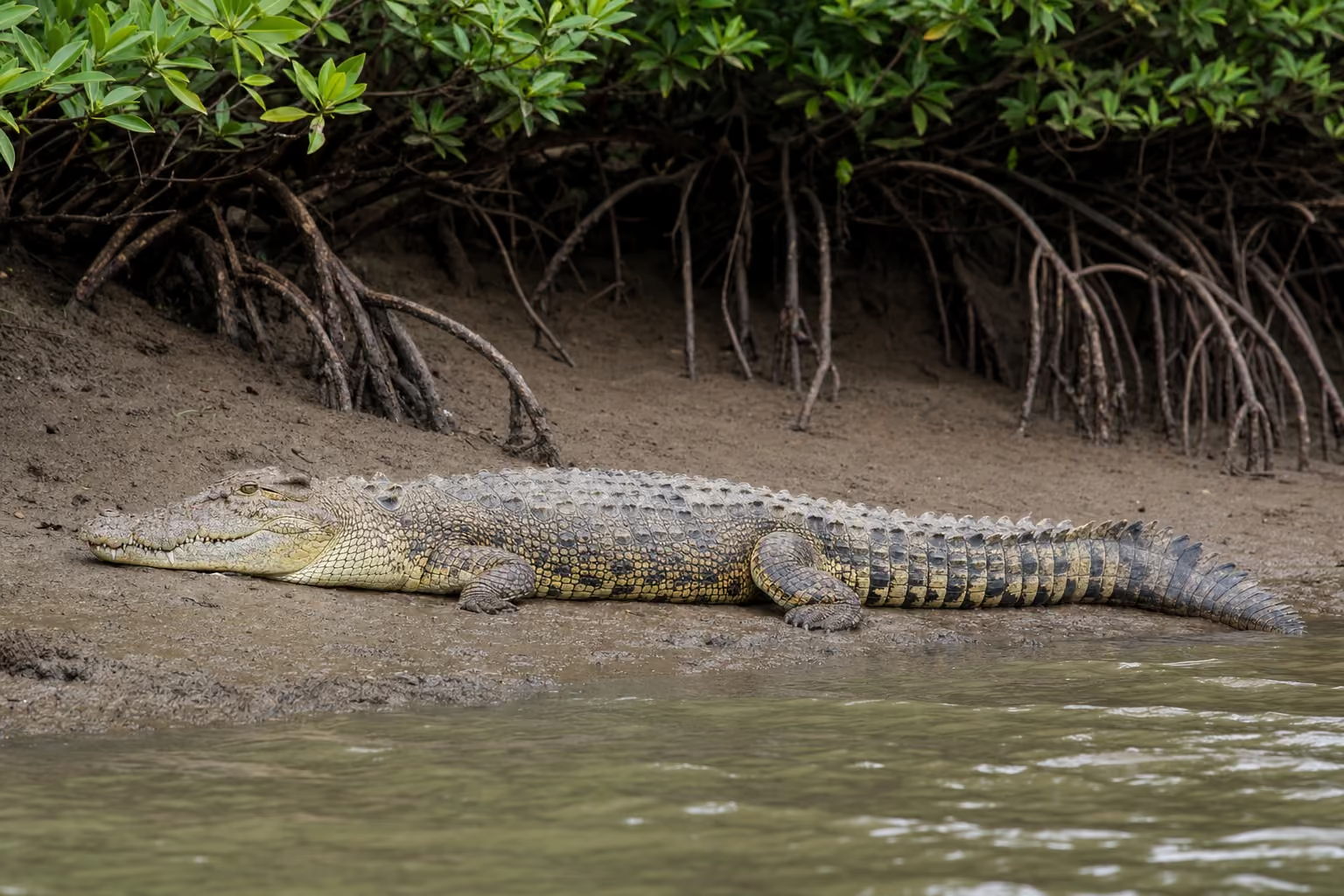
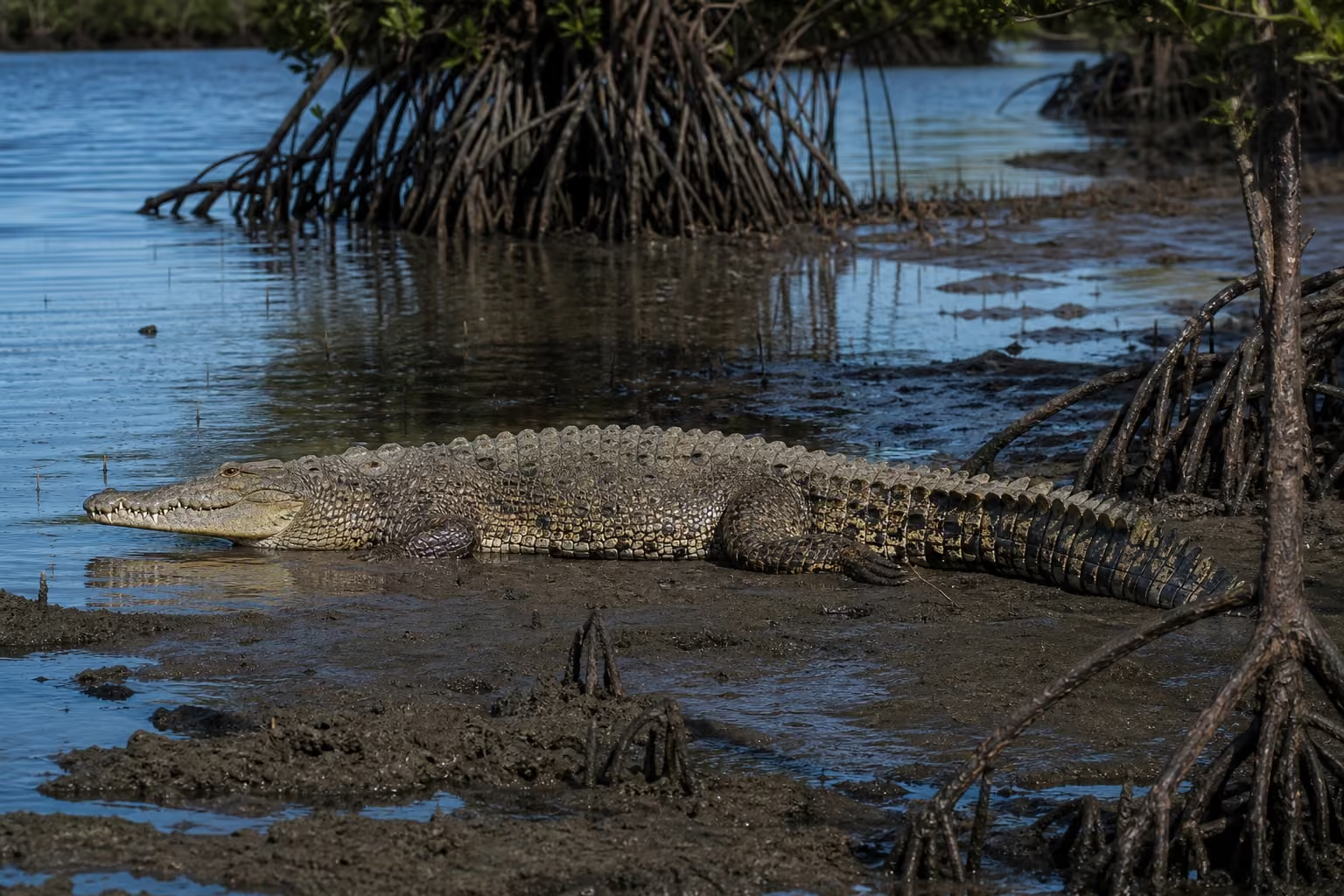
Found across most of mainland Africa outside the Sahara, plus western Madagascar, it favours freshwater rivers, lakes and wetlands. It will occasionally enter brackish estuaries, mangroves and deltas.

Appearance

A heavy-bodied giant reaching about 350-500 cm long and 200-750 kg, with dark bronze-to-brown upperparts marked by faded blackish spots and bands. It has a long snout and strongly webbed hind feet; juveniles show bold dark cross-bands that fade with age.

Behavior

It basks for long stretches with jaws agape to regulate body temperature and can lie motionless for hours. Capable of swimming at 30-35 km/h in short bursts, individuals tolerate one another at prime basking spots and around large carcasses.

Feeding

A carnivore, it takes insects, crustaceans and fish as a juvenile, expanding to fish, birds, mammals and other reptiles as an adult. An ambush hunter, it detects movement and pressure in the water and lunges from the shallows.

Reproduction

In the wet season the female digs a hole nest near water and lays roughly 25-80 eggs. Incubation lasts about 90 days, with nest temperature determining the hatchlings' sex, and the mother guards the eggs and young for an extended period.

Notes

Roughly three million were killed for leather between the 1950s and 1980s, but protection and ranching have allowed populations to recover. It is among the most dangerous crocodiles, responsible for hundreds of human deaths each year.