530 Featured Specimen
Cuban crocodile

Details

Cuban crocodile

Crocodylus rhombifer

Size
Total length 2.1–3.5 m · 70–215 kg
Diet
Carnivore
Activity
Cathemeral
Sociality
Solitary
Lifespan

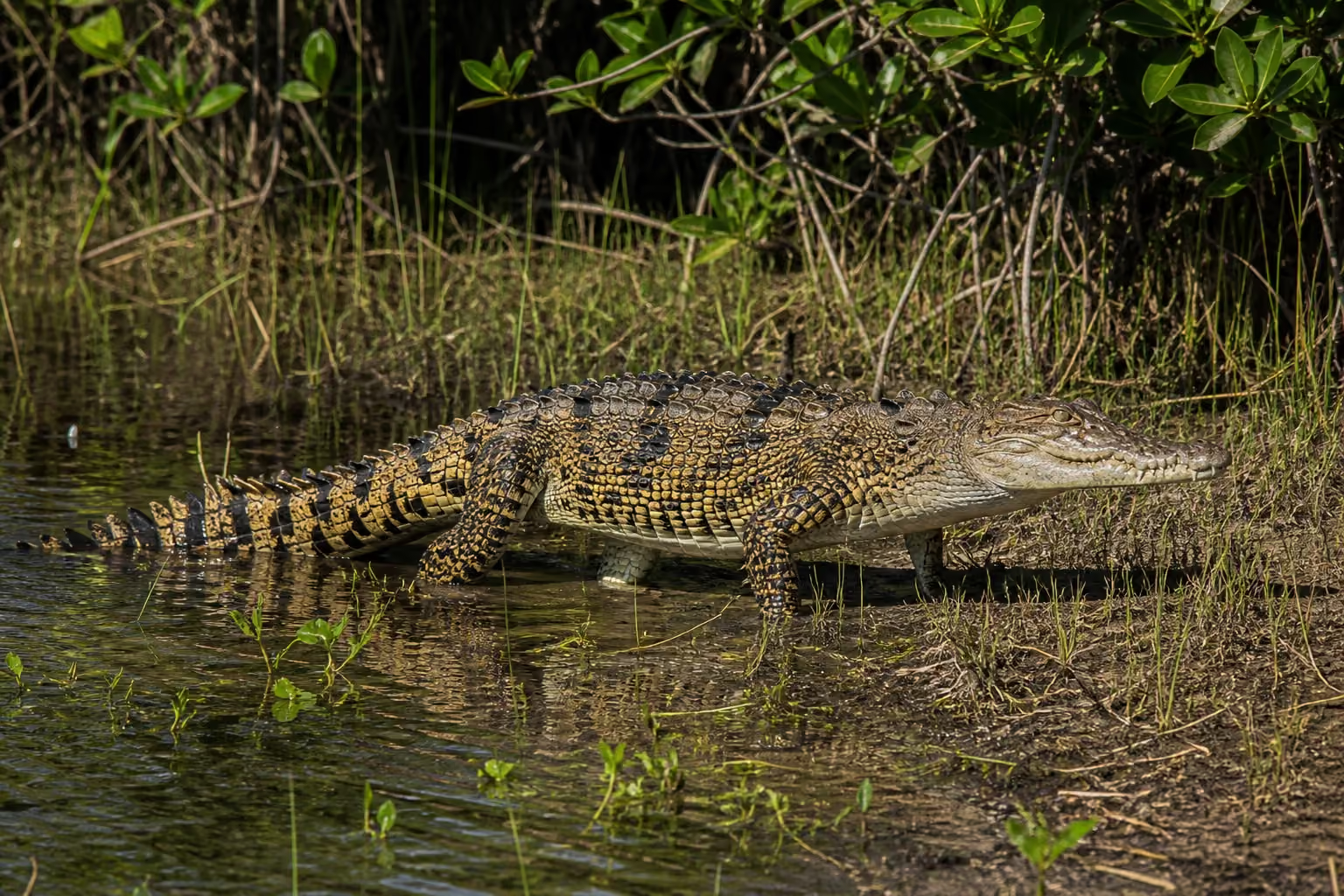
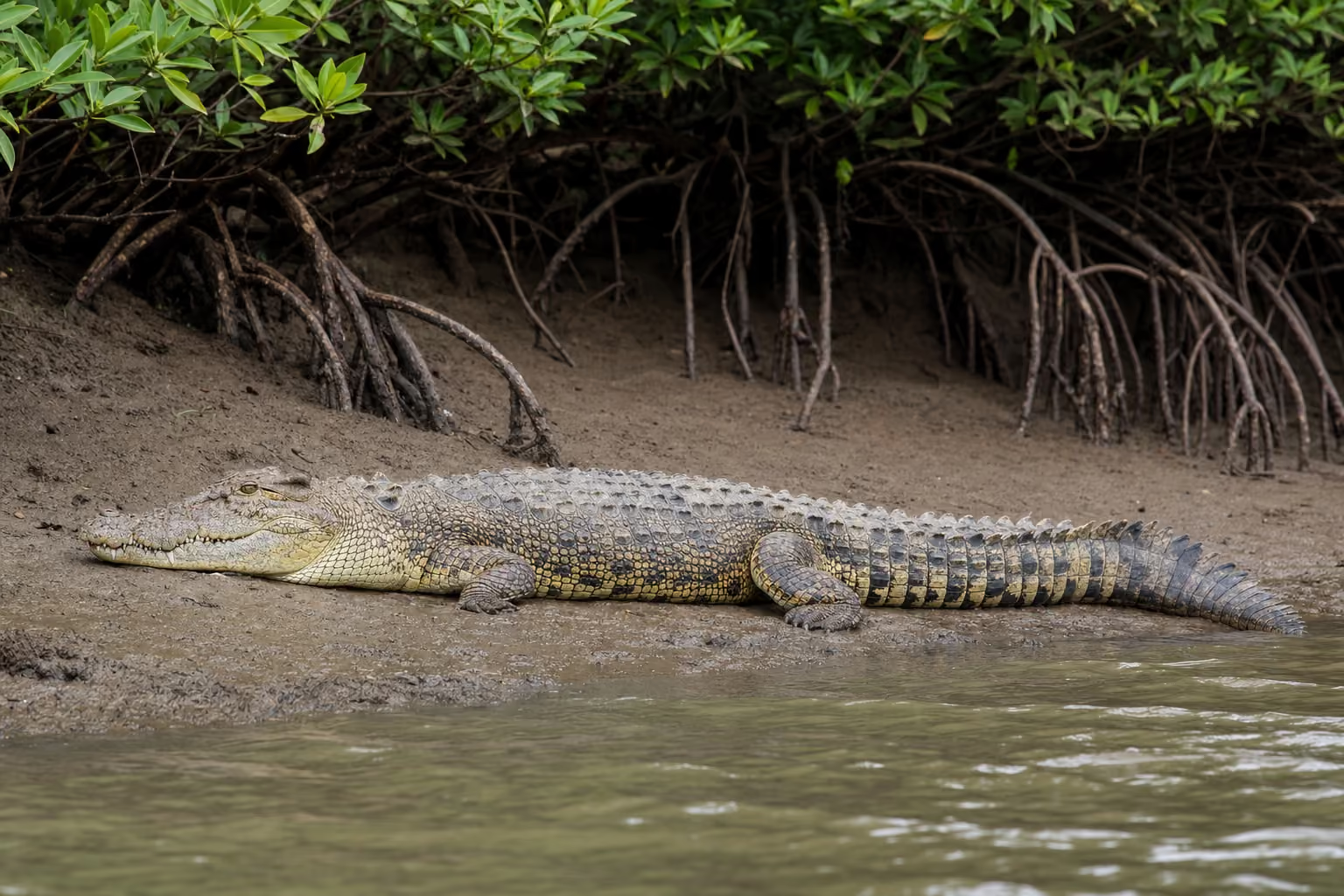
The Cuban crocodile is a long-legged crocodilian endemic to Cuba. It is famous for terrestrial agility, explosive lunges and unusually complex behavior.
Range

Habitat range map
Native range Occasional / Transient
NeotropicalNeotropicalNeotropicalNeotropicalNeotropicalNeotropicalNeotropicalNeotropical

Map: Ecoregions 2017 © RESOLVE (CC BY 4.0) · Natural Earth (PD)

Details

Habitat

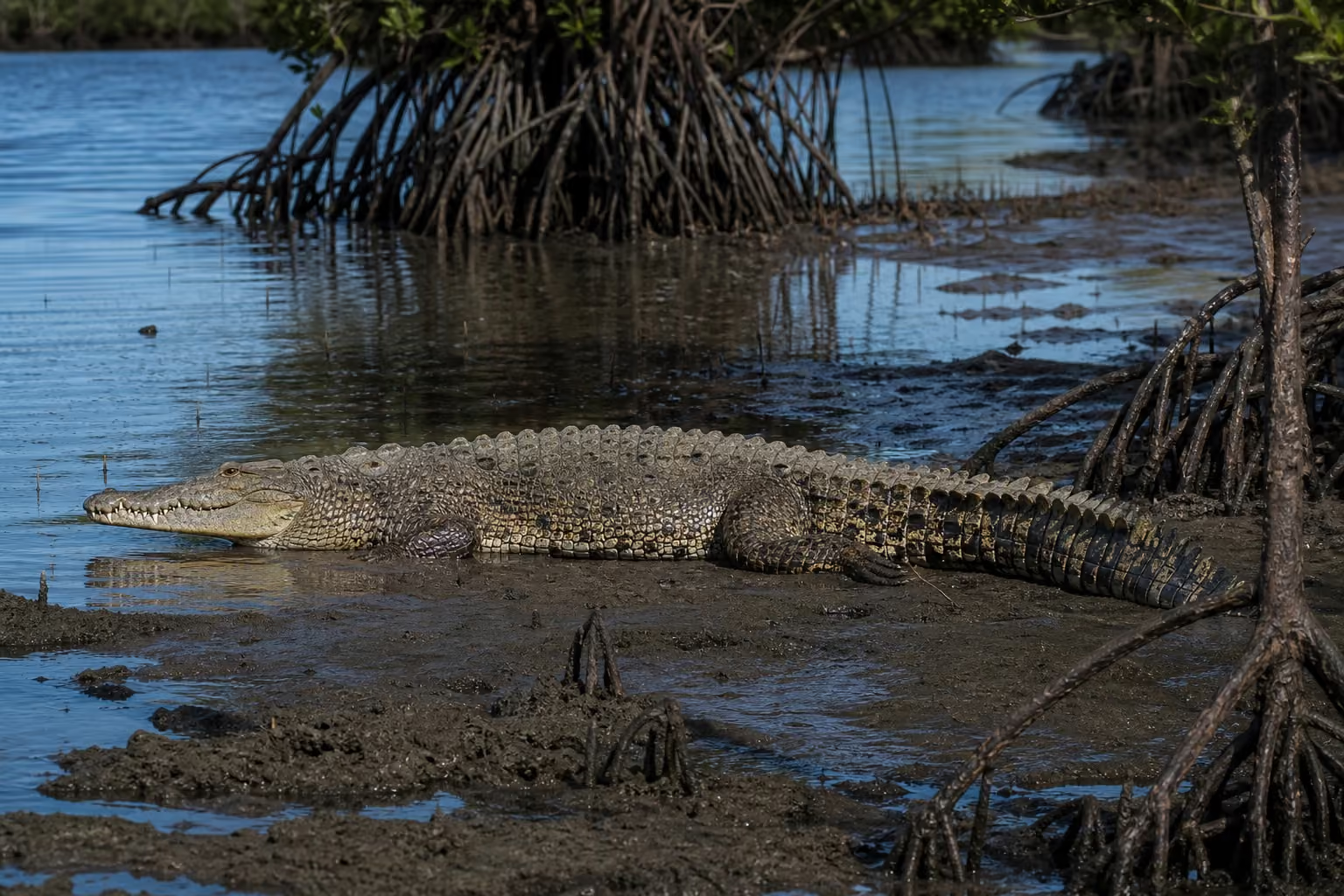
Its modern range is centered on Cuba's Zapata Swamp and Isla de la Juventud. It uses freshwater marshes, swamps, estuaries and brackish lagoons.

Appearance

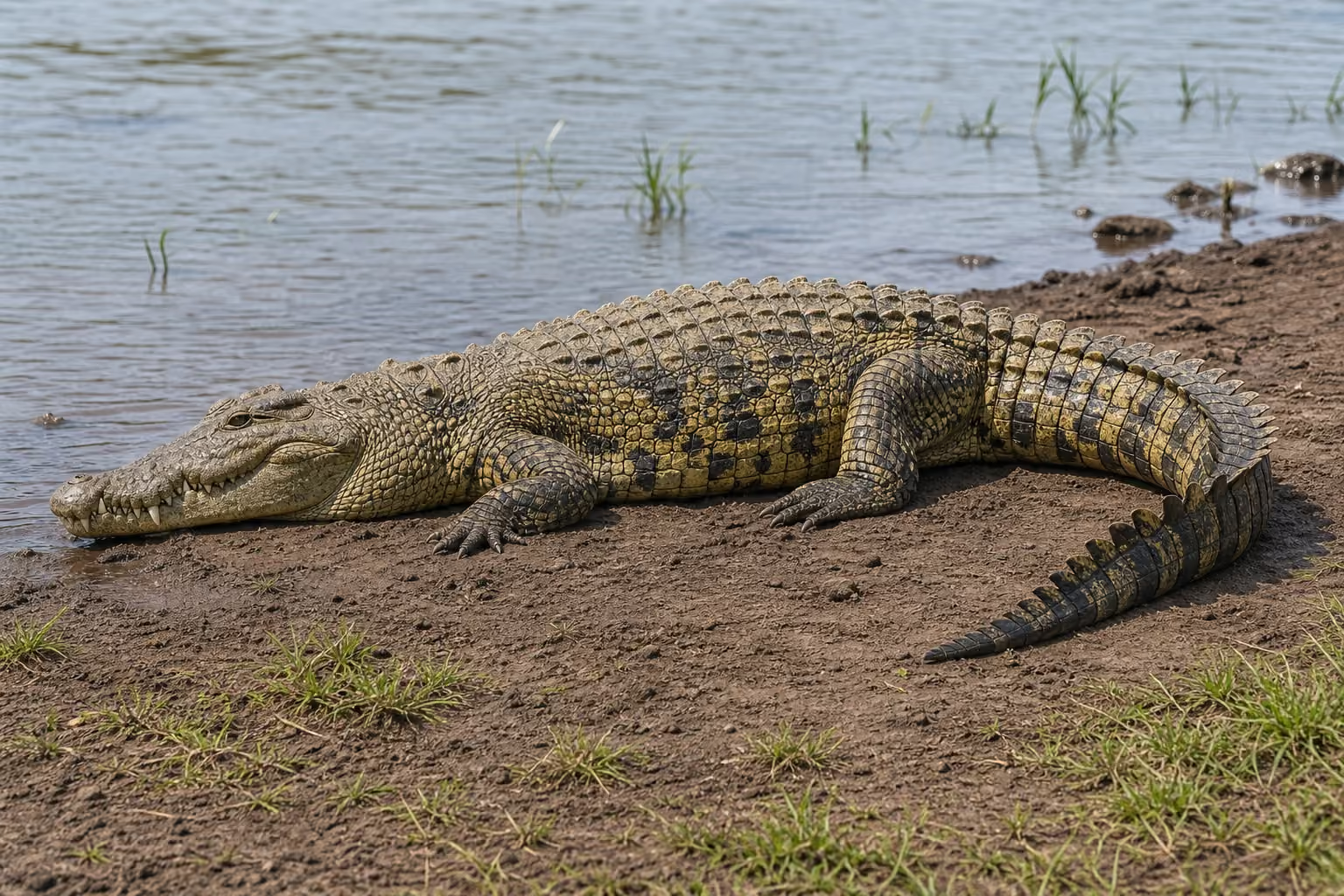
Adults reach about 210-350 cm and 70-215 kg. Long strong limbs, rugged scales and bold black-and-yellow patterning give it a distinctive look.

Behavior

It moves well on land as well as in water. Adults are generally solitary, though captive observations show coordinated and flexible behavior.

Feeding

It preys on fish, turtles, birds and mammals. Fossil evidence suggests its ancestors also hunted terrestrial island mammals.

Reproduction

Females lay eggs in soil or vegetation nests and guard the young. As in other crocodilians, incubation temperature affects sex ratios.

Notes

The species has a tiny range, and hybridization with American crocodiles is a concern. Captive breeding helps, but wild populations remain restricted.