238 Featured Specimen
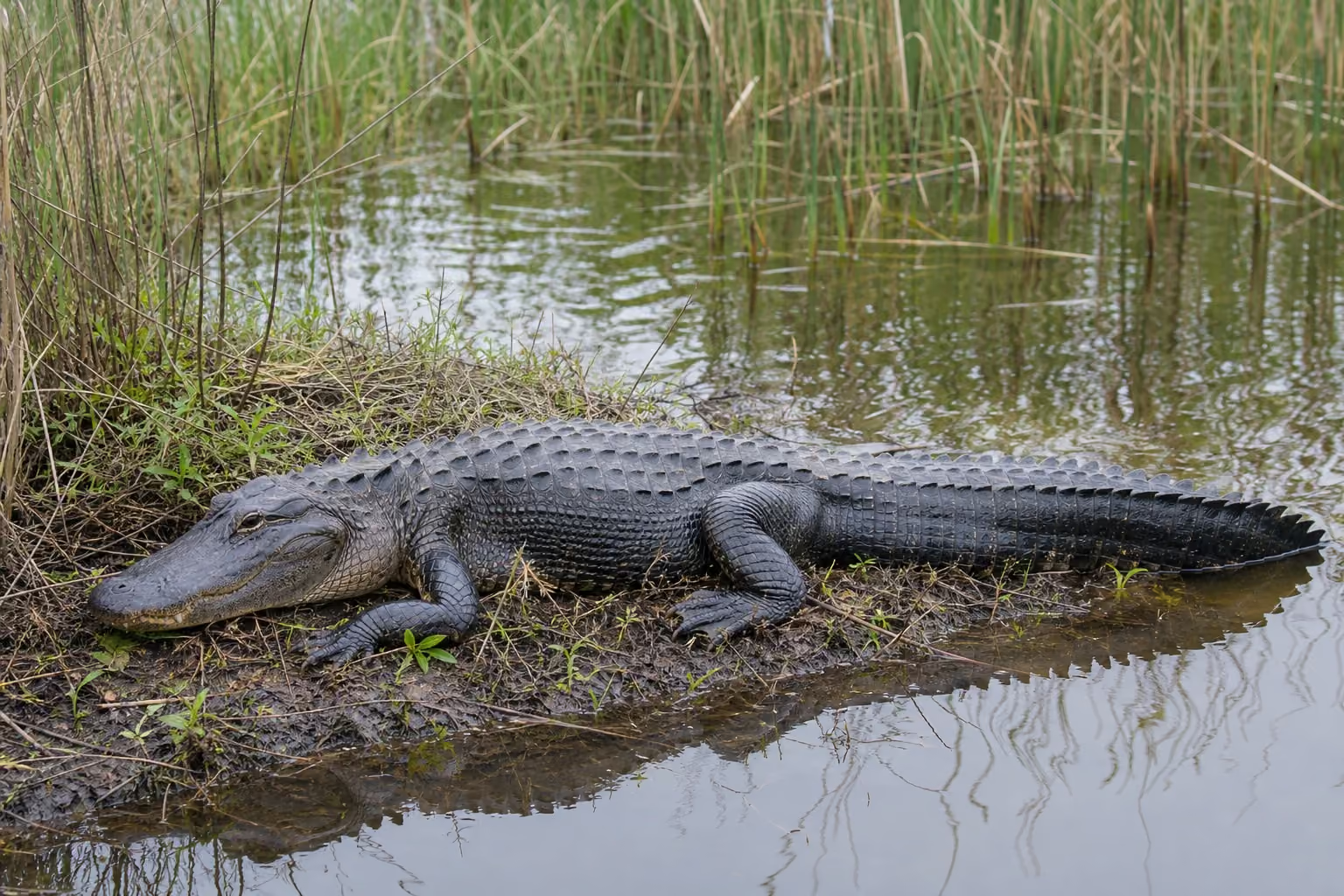
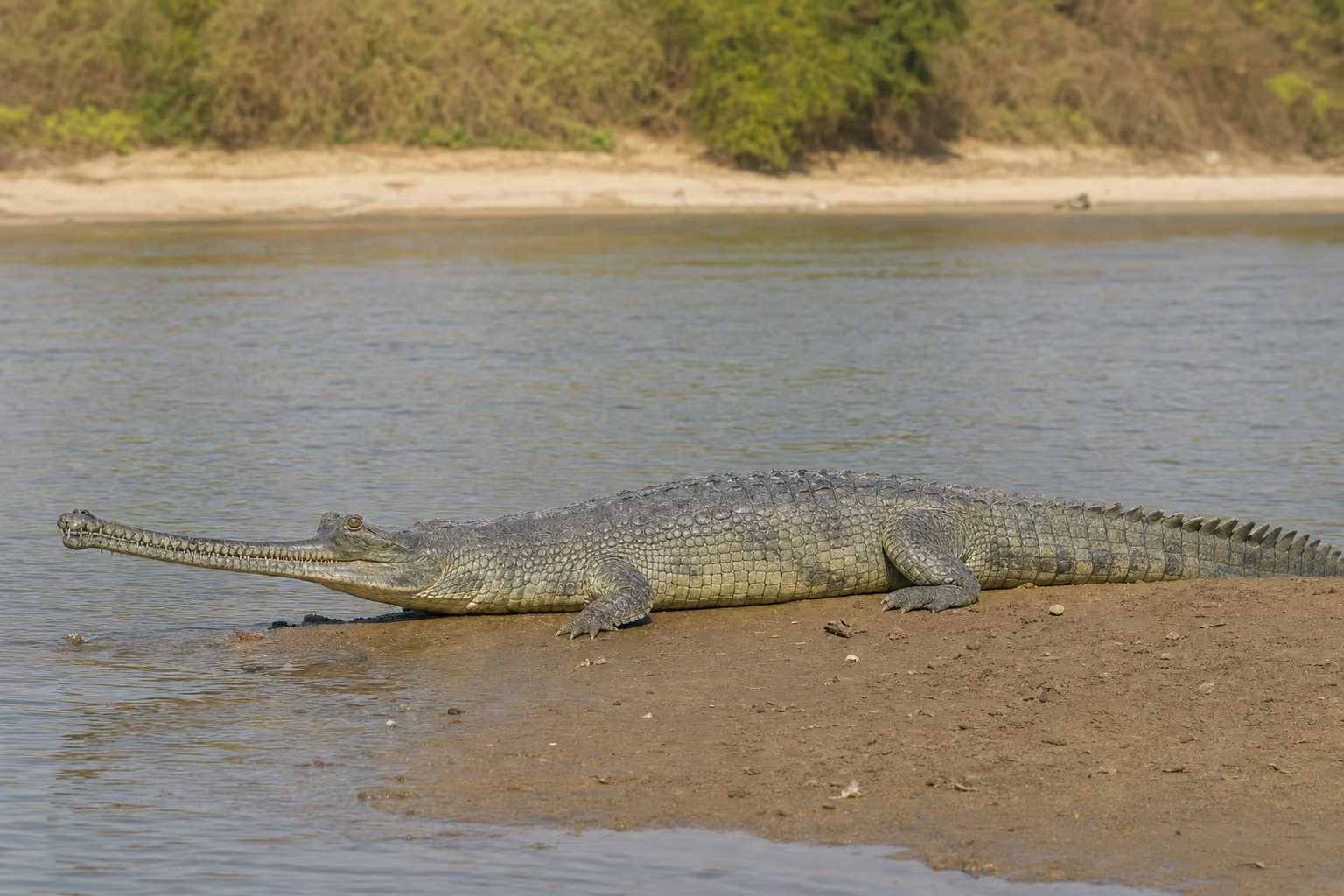
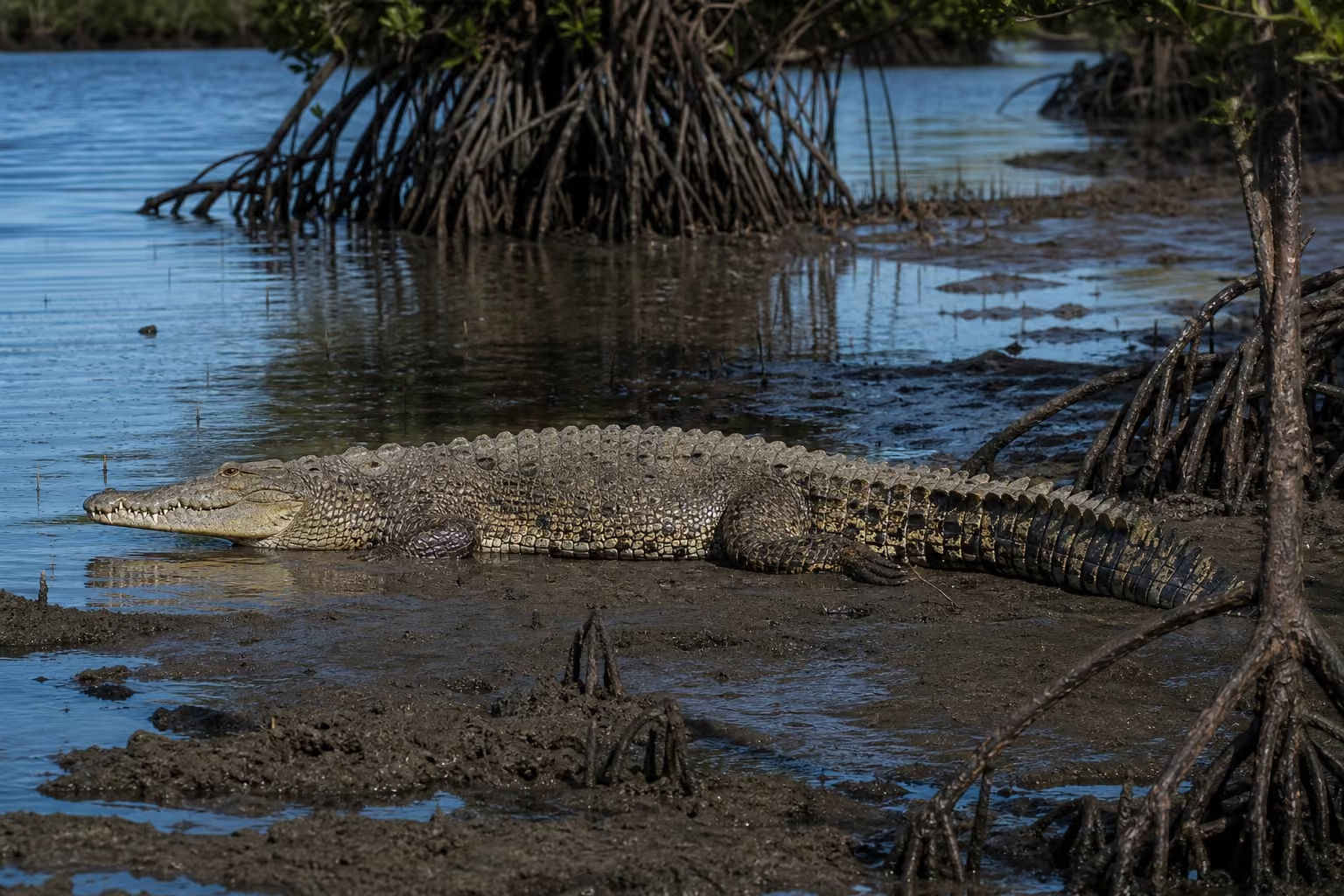
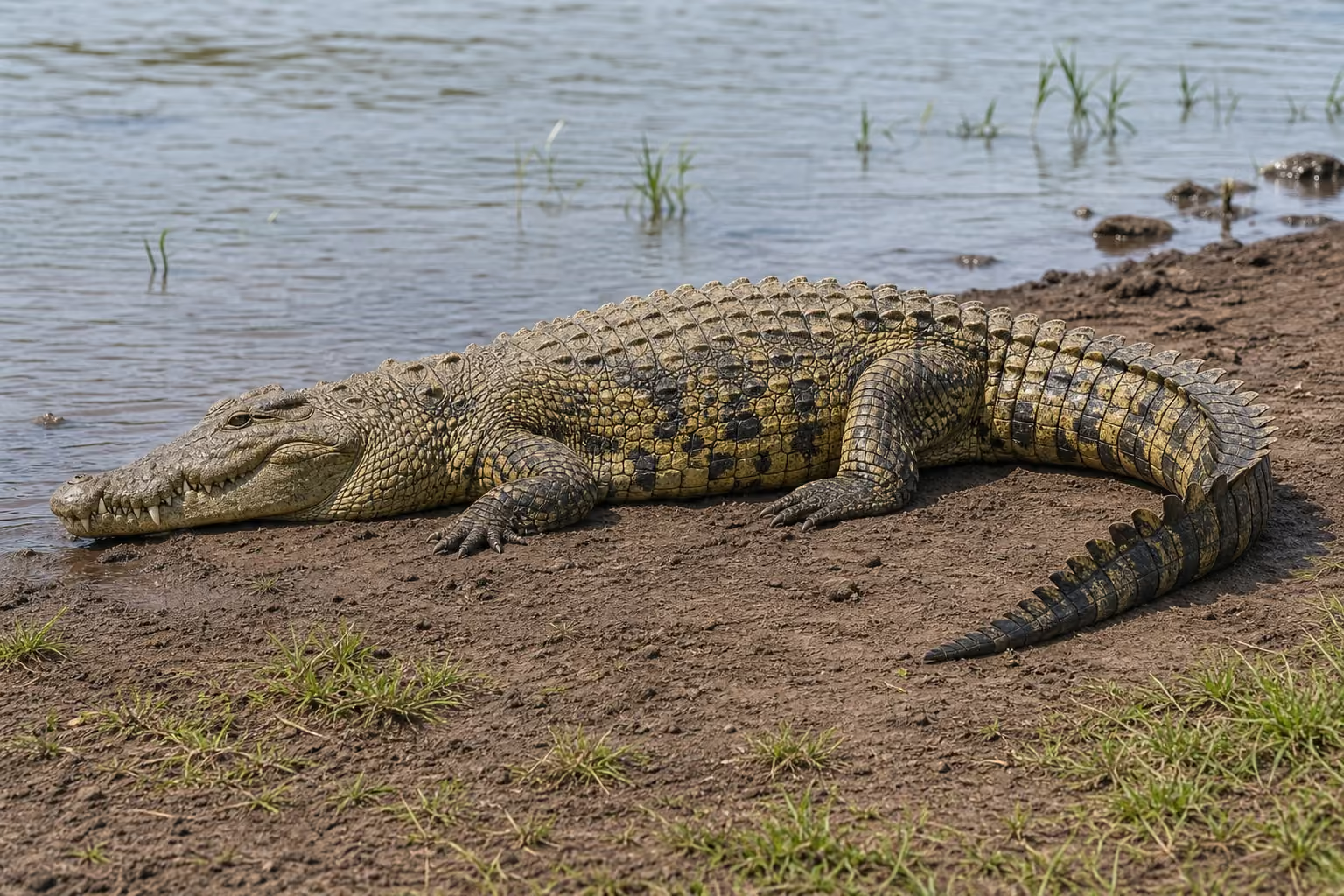
American alligator

Details

American alligator

Alligator mississippiensis

Size
3–4.6 m · 90–450 kg
Diet
Carnivore
Activity
Diurnal
Sociality
Solitary
Lifespan
10-40 years

The American alligator is a large reptile of Nearctic freshwater wetlands. Diurnal and mostly solitary, it is also an ecosystem-shaping predator.
Range

Habitat range map
Native range Occasional / Transient
NearcticNearcticNearcticNearcticNearcticNearcticNearcticNearcticNearcticNearcticNearcticNearcticNearcticNearcticNearcticNearcticNearcticNearcticNearcticNearcticNearcticNearcticNearcticNearcticNearcticNearcticNearcticNearcticNearcticNearcticNearcticNearcticNearcticNearcticNearcticNearcticNearcticNearcticNearcticNearcticNearctic

Map: Ecoregions 2017 © RESOLVE (CC BY 4.0) · Natural Earth (PD)

Details

Habitat

It lives in swamps, marshes, lakes, rivers, and ponds. Burrows and alligator holes can retain water in dry periods and serve other wildlife.

Appearance

Length is about 300-460 cm and weight about 90-450 kg. A broad snout, dark scales, and powerful tail are typical; only eyes and nostrils may show at the surface.

Behavior

It basks by day and waits quietly in water. Adults are mostly solitary, using calls and postures to advertise themselves during the breeding season.

Feeding

It is carnivorous, taking fish, turtles, birds, and mammals. It lunges at prey near water and holds it with very strong jaws.

Reproduction

Females lay eggs in mounds of vegetation and guard the nest area. Hatchlings call to the mother and receive protection for a time.

Notes

Its status is listed as Least Concern. Once heavily reduced, it recovered under protection and is now managed as an iconic wetland predator.