043 Featured Specimen
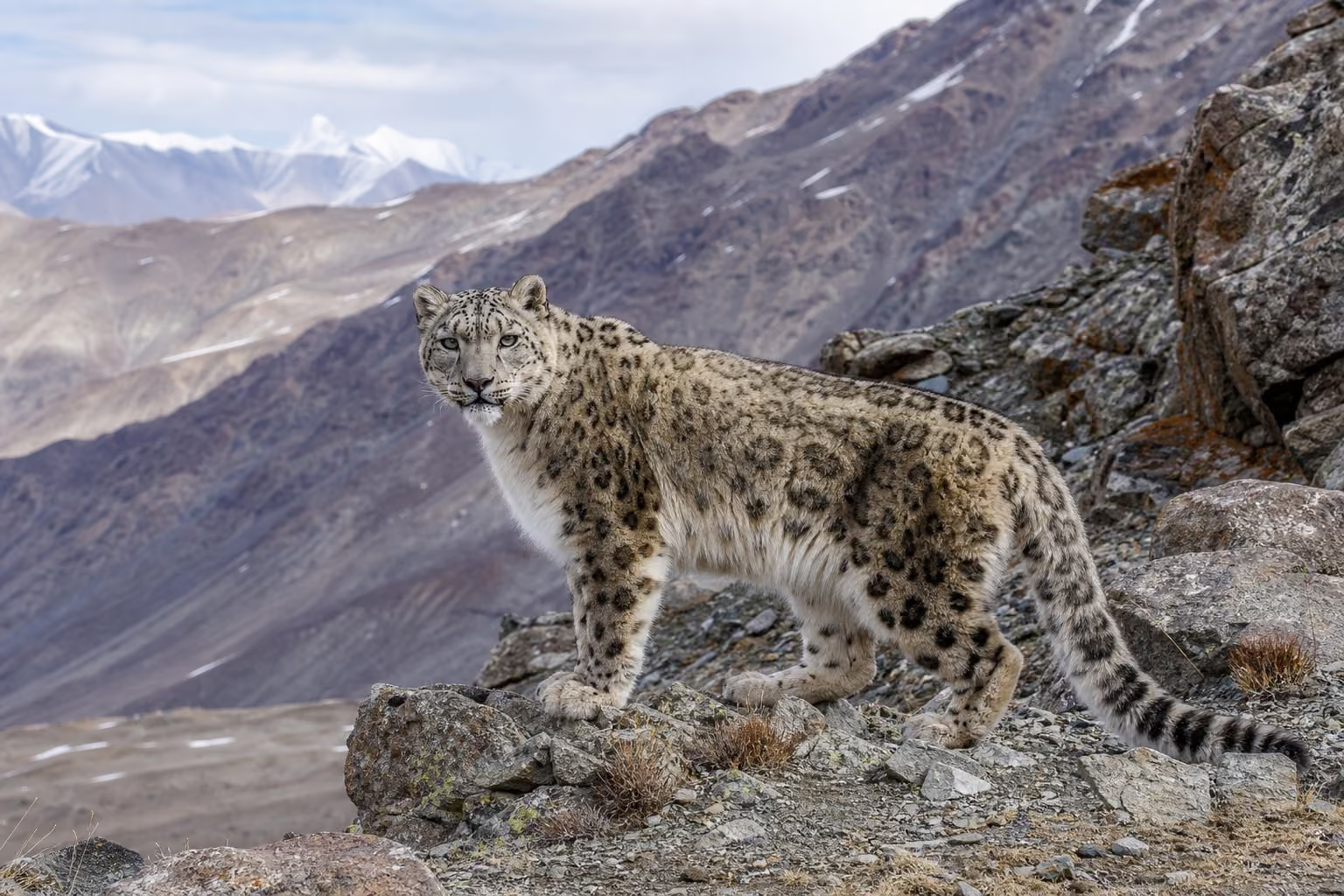
Snow leopard

Details

Snow leopard

Panthera uncia

Size
0.9–1.3 m · 22–55 kg
Diet
Carnivore
Activity
Crepuscular
Sociality
Solitary
Lifespan
10-15 years

A big cat of Central Asia's high mountains, instantly known by its pale smoky-grey coat ringed with dark rosettes and an exceptionally long, thick tail. Everything about it is built for moving silently across cliffs, scree and snow.
Range

Habitat range map
Native range Occasional / Transient
PalearcticPalearcticPalearcticPalearcticPalearcticPalearcticPalearcticPalearcticPalearcticPalearcticPalearcticPalearcticPalearcticPalearcticPalearcticPalearcticPalearcticPalearcticPalearcticPalearcticPalearcticPalearcticPalearcticPalearcticIndomalayanIndomalayanIndomalayanIndomalayanIndomalayanIndomalayanIndomalayanIndomalayanIndomalayanIndomalayanIndomalayanIndomalayanIndomalayanIndomalayanIndomalayan

Map: Ecoregions 2017 © RESOLVE (CC BY 4.0) · Natural Earth (PD)

Details

Habitat

It ranges through the mountains of Central and South Asia, from eastern Afghanistan across the Himalayas and Tibetan Plateau to southern Siberia, Mongolia and western China. It favours alpine meadows, rocky slopes and low scrub, climbing higher in summer and descending in winter.

Appearance

A stocky cat measuring roughly 90 to 130 cm in head-and-body length and weighing 22 to 55 kg. Whitish-grey fur carries black spots on the head and neck and large rosettes over the back, flanks and bushy tail. Small rounded ears reduce heat loss, broad paws spread its weight on snow, and the long thick tail aids balance and warmth.

Behavior

Solitary and most active at dawn and dusk, it patrols a home range from vantage points among cliffs and ridges. It stalks prey by moving quietly down steep mountainsides. Unable to roar, it communicates with mews, grunts, moans and a breathy huff.

Feeding

A carnivore, it preys mainly on large mountain ungulates such as blue sheep, argali and ibex, chasing them down precipitous slopes. It also takes marmots, pikas and birds, and at times livestock; a single large kill can sustain it for around two weeks.

Reproduction

Mating falls in late winter to spring, with a gestation of about 90 to 100 days. Litters usually number two to three cubs, which open their eyes at around a week and are weaned by ten weeks. Cubs stay in the den for several months, then accompany their mother to learn to hunt.

Notes

Listed as Vulnerable, it is threatened by poaching for pelts and bones, declining wild prey and retaliatory killing after attacks on livestock. Attacks on people are extremely rare, but its taste for sheep and goats fuels conflict with mountain herders.