541 Featured Specimen
Shingleback skink

Details

Shingleback skink

Tiliqua rugosa

Size
Total length 35–45 cm · 0.6–1 kg
Diet
Omnivore
Activity
Diurnal
Sociality
Pair
Lifespan

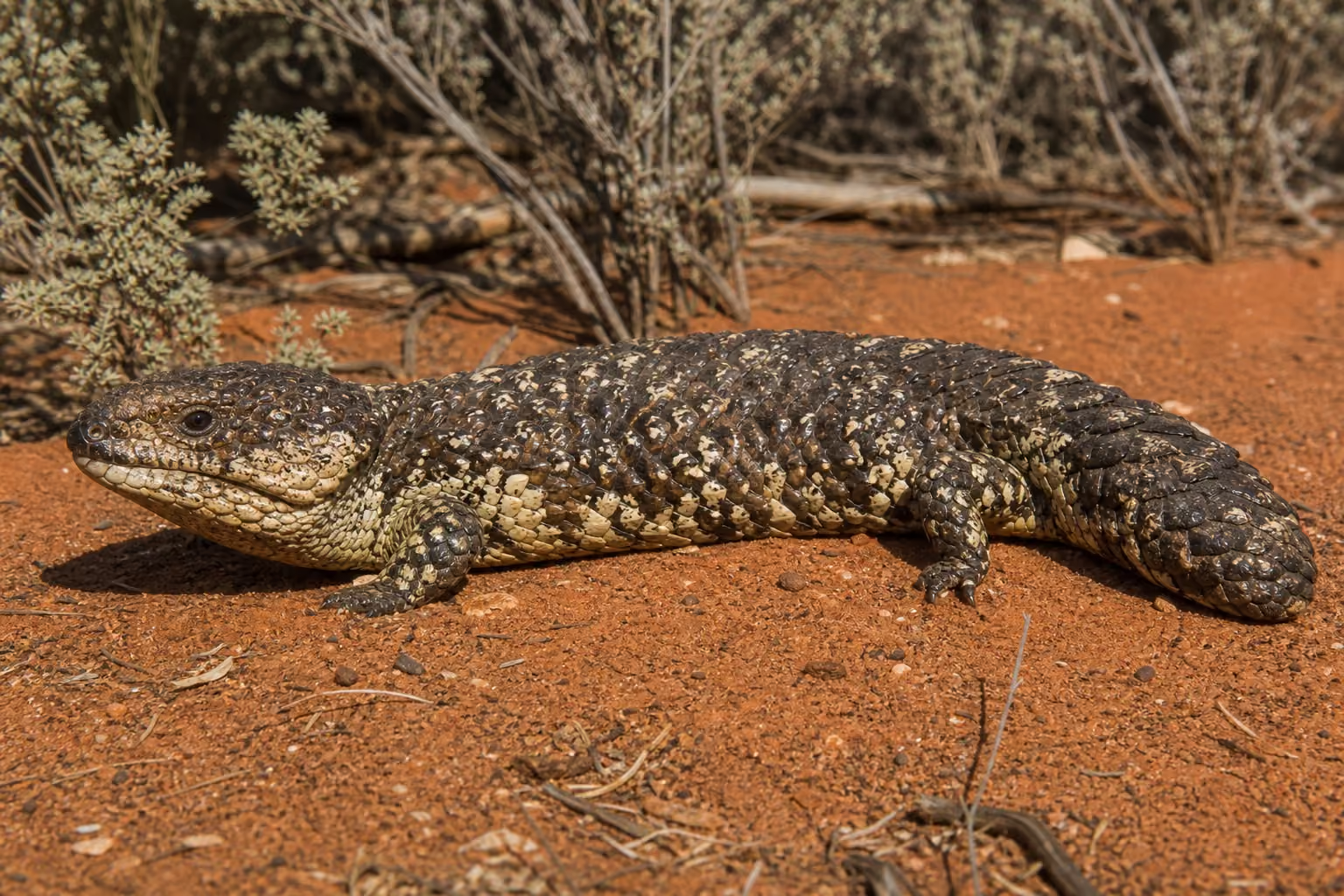
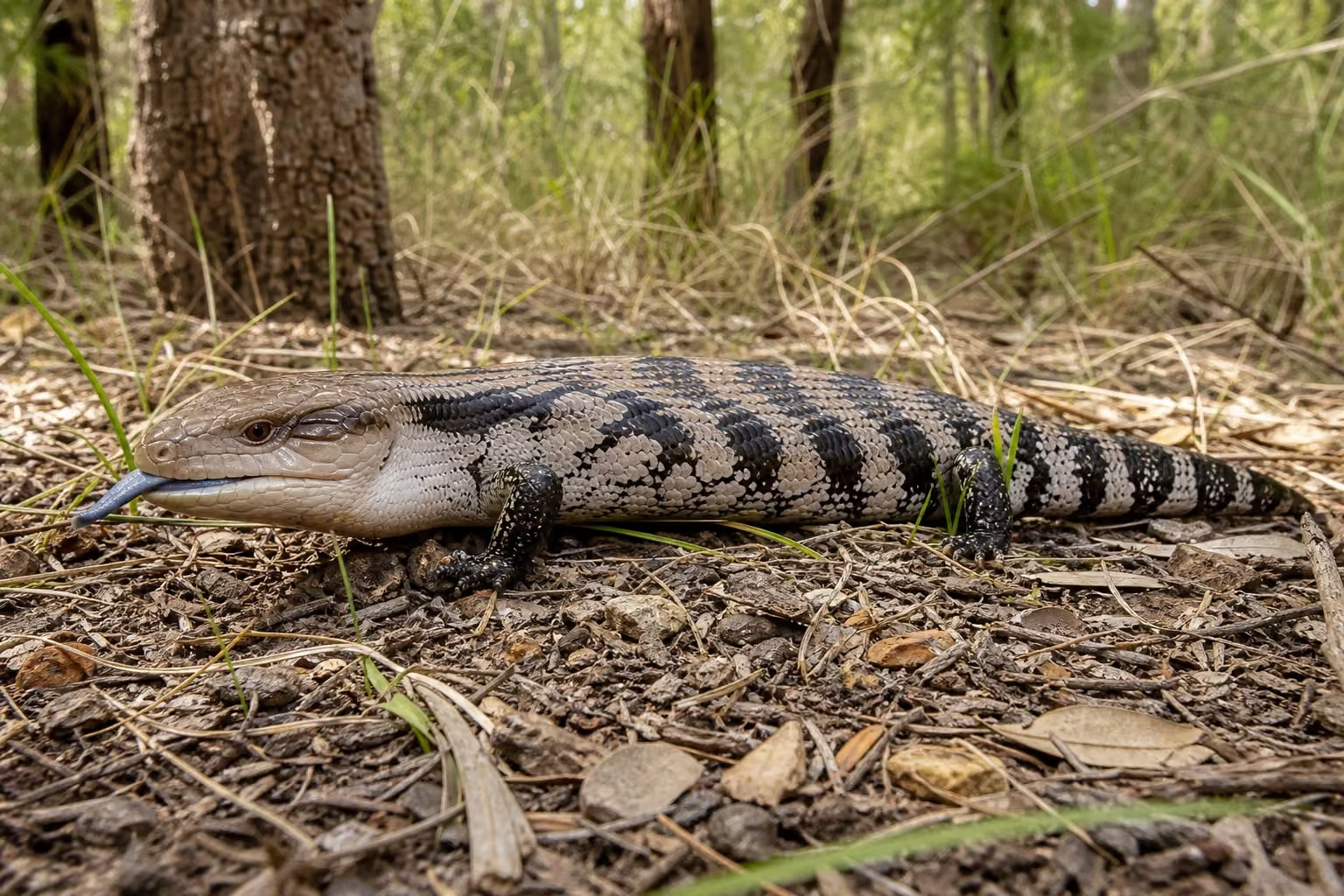
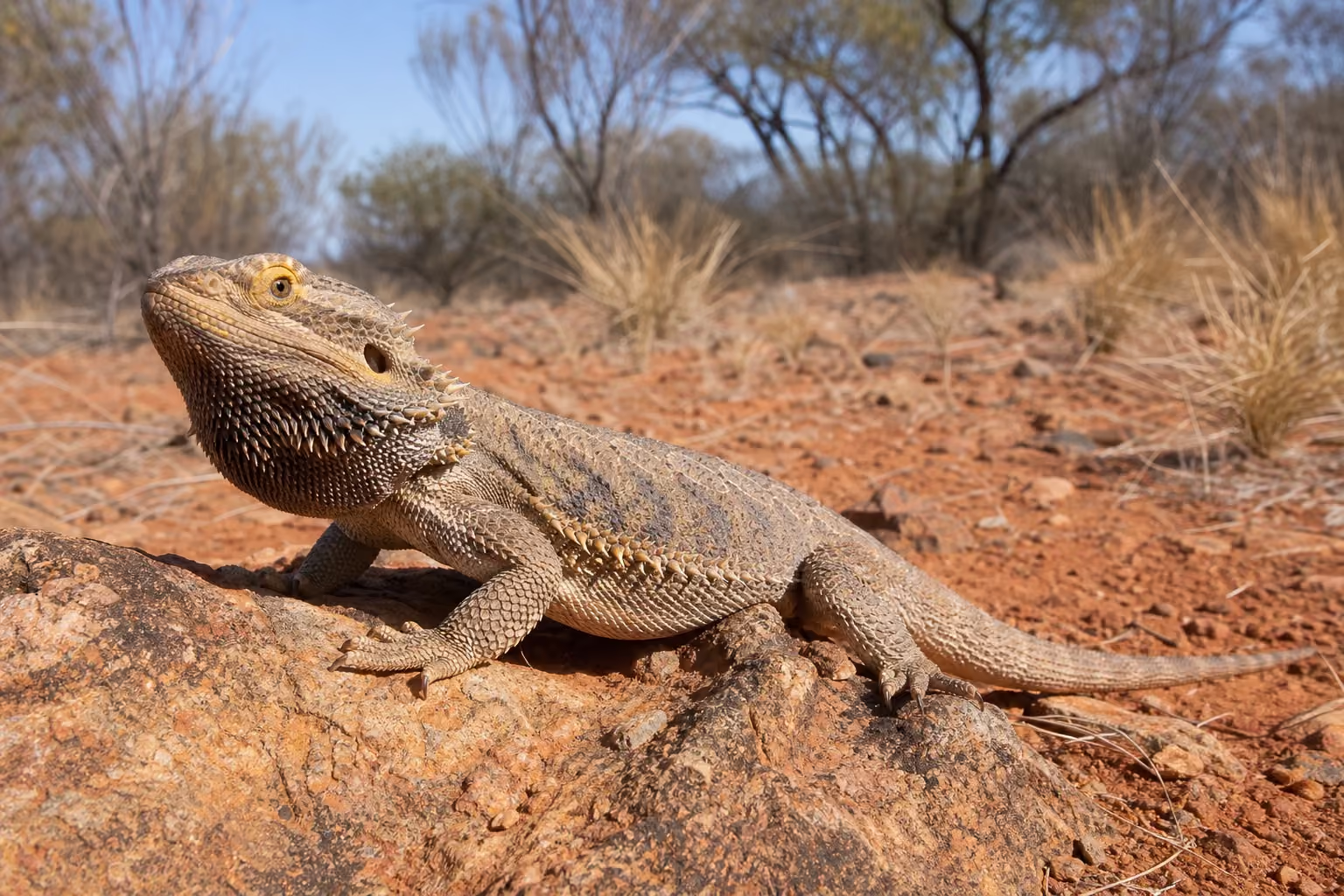
The shingleback skink is a stocky blue-tongued lizard of southern Australia. Pinecone-like scales, a blue tongue and a head-shaped tail define its look.
Range

Habitat range map
Native range Occasional / Transient
AustralasianAustralasianAustralasianAustralasianAustralasianAustralasianAustralasianAustralasianAustralasianAustralasianAustralasianAustralasianAustralasianAustralasianAustralasianAustralasianAustralasian

Map: Ecoregions 2017 © RESOLVE (CC BY 4.0) · Natural Earth (PD)

Details

Habitat

It is widespread through arid and semiarid southern and western Australia. Shrubland, eucalyptus woodland, dunes, grassland and open roadside edges are used.

Appearance

Adults are about 35-45 cm long and 600-1000 g. Heavy armor-like scales cover the body, and the short fat tail stores energy and can confuse predators.

Behavior

Active by day, it warms by basking in the morning. Long-term pair bonds are well known, with partners often reuniting in later breeding seasons.

Feeding

It is omnivorous, eating flowers, leaves, fruit, snails, insects and carrion. Strong jaws allow it to crush snail shells.

Reproduction

Females give birth to a small number of large live young. There is little parental care, but newborns are robust and well developed.

Notes

The species is secure overall, though illegal collection for the pet trade is a concern. Unlike many skinks, it cannot shed its tail.