036 Featured Specimen
Plains zebra

Details

Plains zebra

Equus quagga

Size
2.2–2.5 m · 175–385 kg
Diet
Herbivore
Activity
Diurnal
Sociality
Herd
Lifespan
20-25 years

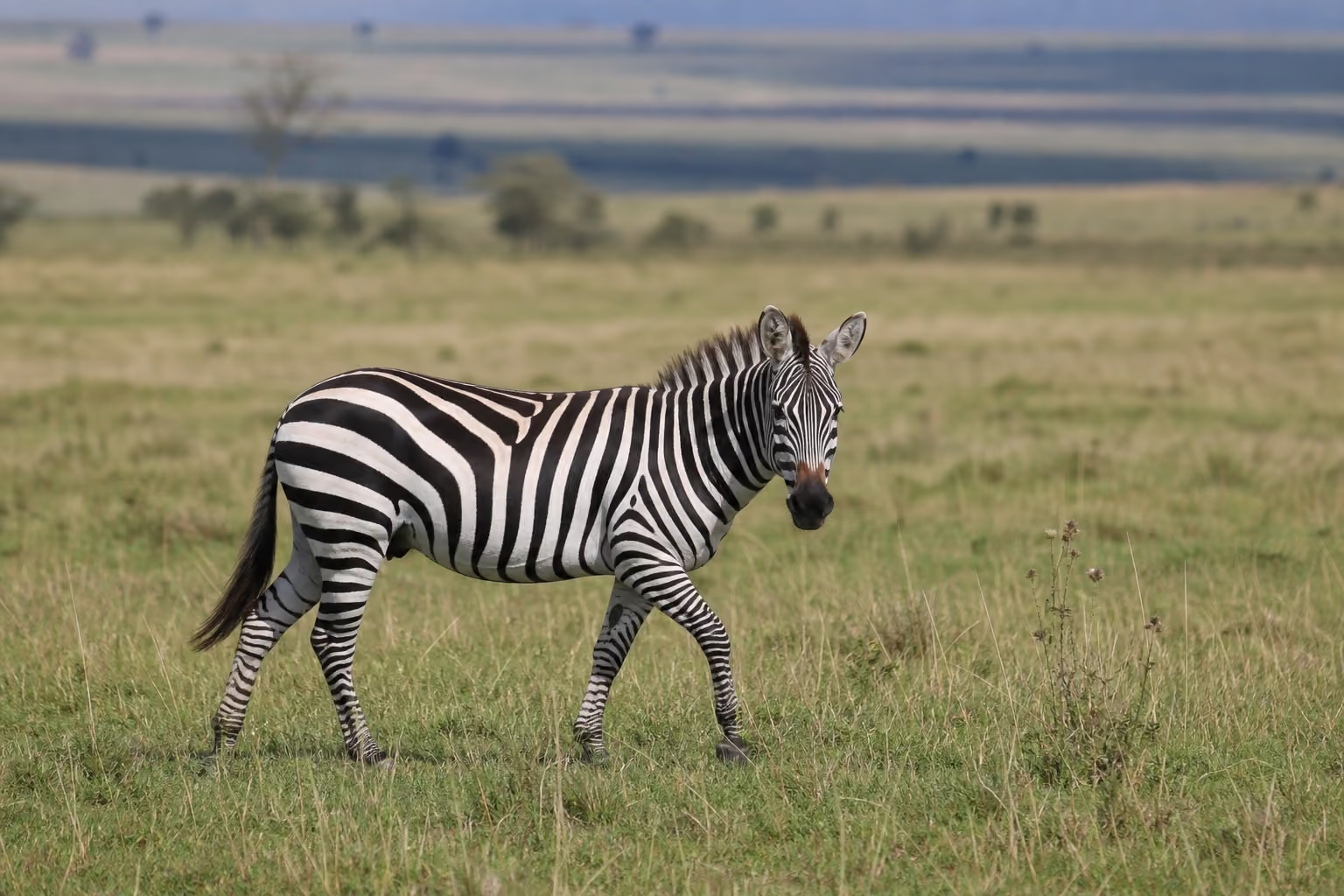
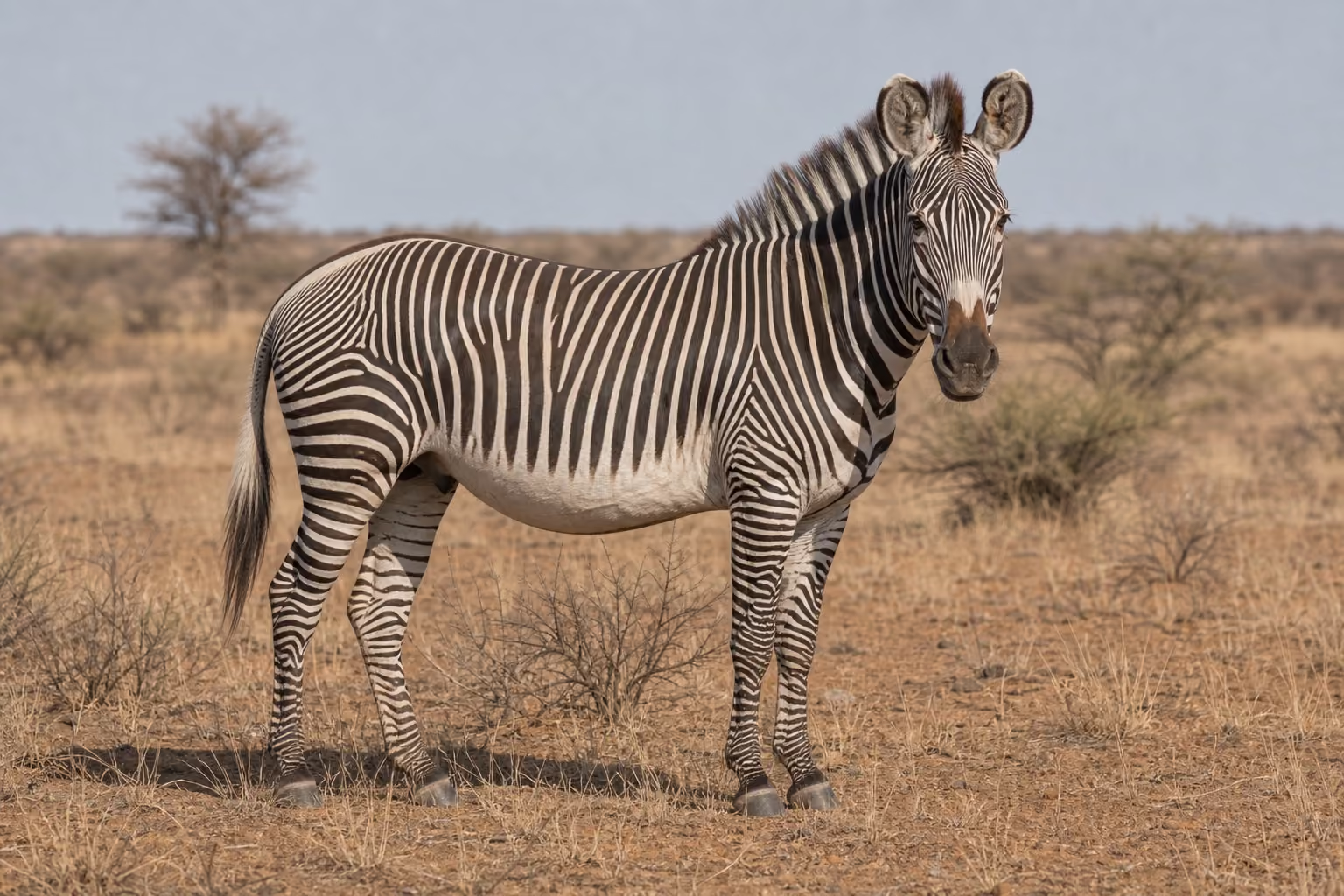
A boldly striped wild horse of the African grasslands, marked in broad black and white. No two individuals share the same stripe pattern, and the species gathers in large herds across the savannas of eastern and southern Africa.
Range

Habitat range map
Native range Occasional / Transient

Map: Ecoregions 2017 © RESOLVE (CC BY 4.0) · Natural Earth (PD)

Details

Habitat

Found across eastern and southern Africa in treeless grasslands and savanna woodlands. It avoids deserts, dense forest, and permanent wetlands, rarely straying more than about 10 km from water, and ranges from sea level to high mountain slopes.

Appearance

A mid-sized equid measuring 217-246 cm long and weighing 175-385 kg. Broad black-and-white stripes run nearly vertical on the forequarters and turn horizontal toward the rear. Southern animals show faint brown shadow stripes between the black, and foals are born brown and white, darkening with age.

Behavior

Active by day, it lives in harems of one stallion, several mares, and their young. Unusually for a harem-forming animal, multiple harems merge into large herds that travel together, while surplus males form bachelor groups with age-based hierarchies.

Feeding

A grazer feeding chiefly on grasses such as red grass and Bermuda grass. As a pioneer grazer it crops the tall, coarse growth first, preparing the sward for more selective herbivores like wildebeest and gazelle that follow.

Reproduction

Gestation lasts roughly a year and produces a single foal of about 30-35 kg, most births timed to the rains. Foals are weaned at around eleven months, and a mare may raise one foal per year.

Notes

On the Serengeti it is a leading prey of lions, second only to wildebeest. Hunting for hides and meat, competition with livestock, and the spread of farmland all reduce its range; one subspecies, the quagga, was hunted to extinction.