038 Featured Specimen
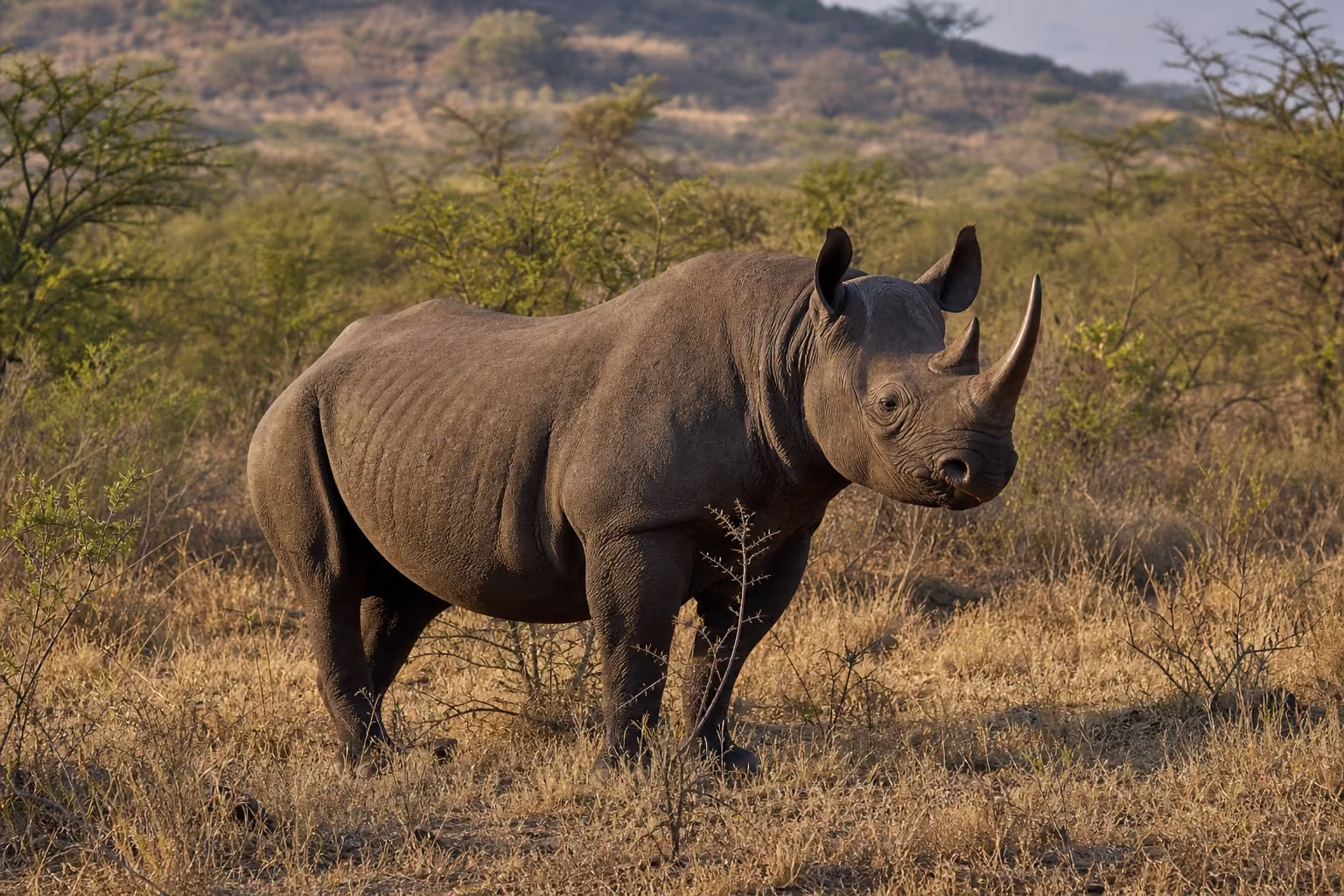
Black rhinoceros

Details

Black rhinoceros

Diceros bicornis

Size
3–3.8 m · 0.8–1.4 t
Diet
Herbivore
Activity
Crepuscular
Sociality
Solitary
Lifespan
35-50 years

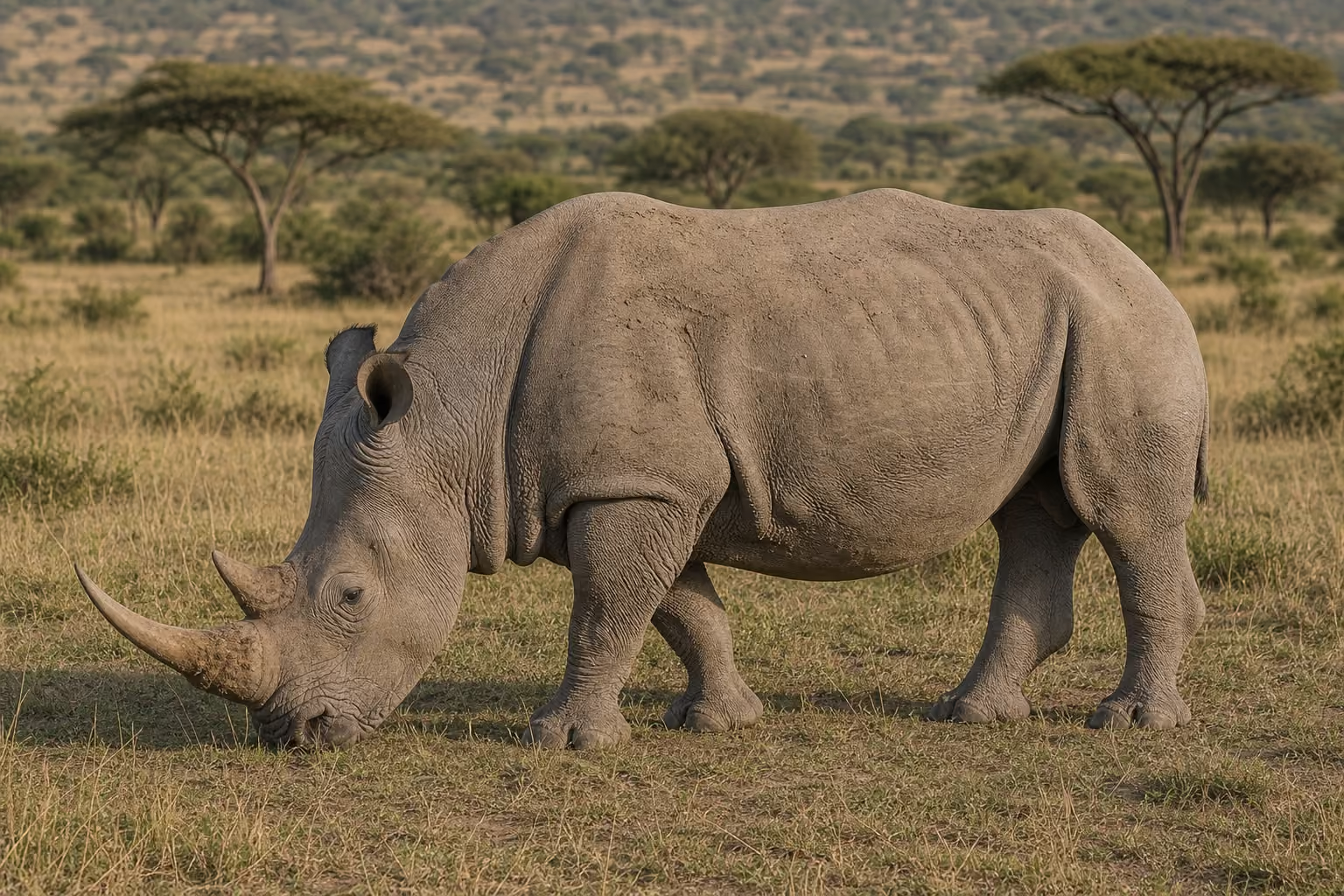
The black rhinoceros is a large African browser with a hooked upper lip for plucking leaves and twigs. Despite its name it is not truly black, often appearing grey or brown from the soil in which it wallows.
Range

Habitat range map
Native range Occasional / Transient

Map: Ecoregions 2017 © RESOLVE (CC BY 4.0) · Natural Earth (PD)

Details

Habitat

It survives in scattered parts of eastern and southern Africa, using savannas, dry grasslands, shrublands, and semi-deserts. Water, cover, and browse-rich woody vegetation shape its local range.

Appearance

Adults are about 300-375 cm long and weigh roughly 800-1,400 kg. Two horns grow on the snout, the front one usually longer. Compared with the white rhinoceros it is smaller, holds the head higher, and has a pointed prehensile upper lip.

Behavior

Crepuscular, it rests in shade or mud during hot parts of the day. Mostly solitary, it marks its presence with scent, dung middens, and rubbed vegetation. Poor eyesight is offset by sharp smell and hearing, and startled animals may charge.

Feeding

Herbivorous but chiefly a browser, it feeds on leaves, shoots, twigs, and fruits rather than grazing mostly on grass. The hooked lip pulls branches within reach, allowing it to use thorny shrubs and trees.

Reproduction

Gestation lasts about 15 months and usually produces a single calf. The calf stays with its mother for several years, so births are spaced widely. Slow reproduction makes population recovery gradual.

Notes

Poaching for horn and habitat fragmentation drove severe declines, and the species is classed as Critically Endangered. Intensive protection, translocation, and anti-poaching work have helped some populations, but security remains essential.