431 Featured Specimen
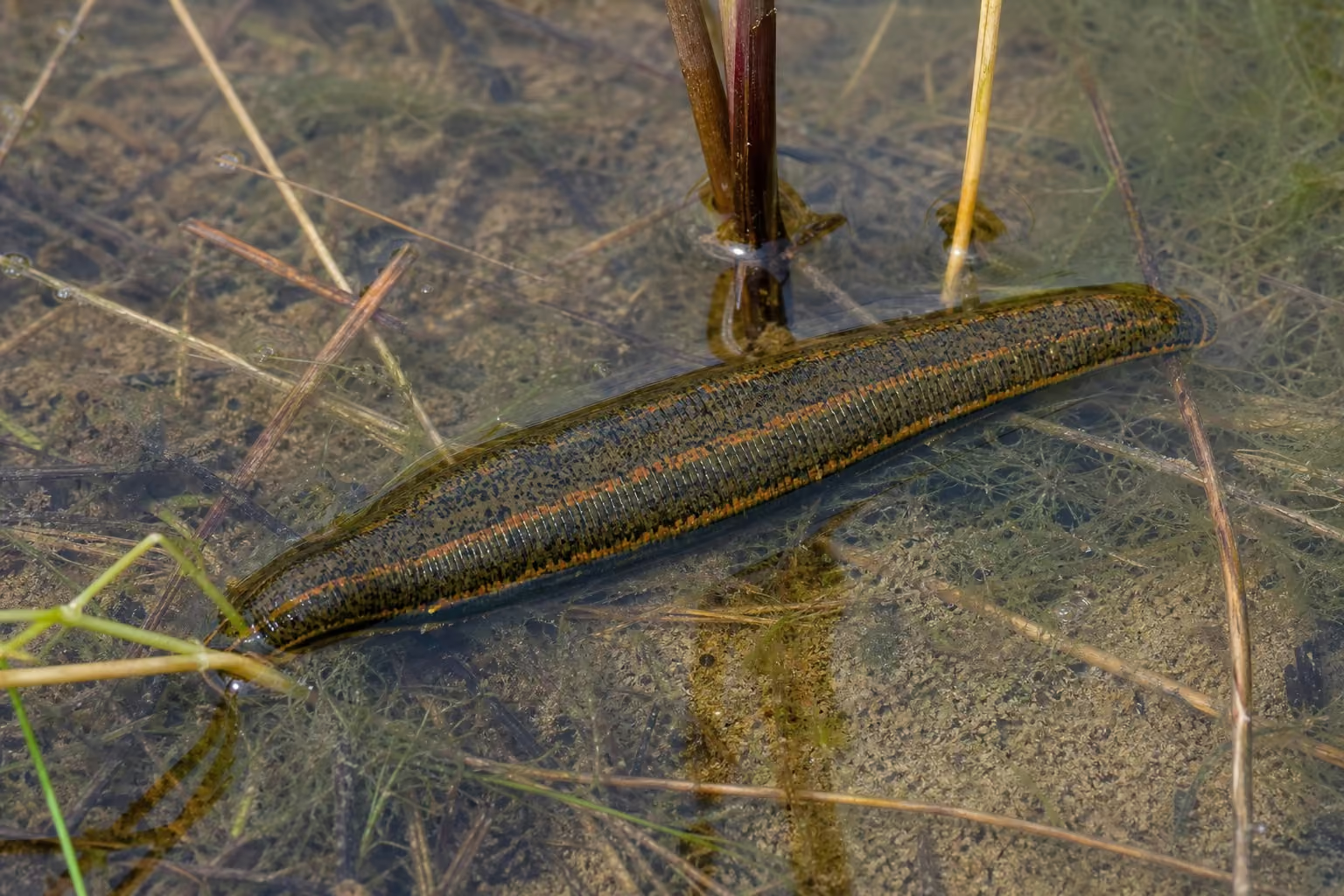
Medicinal leech

Details

Medicinal leech

Hirudo medicinalis

Size
5–20 cm · 1–10 g
Diet
Carnivore
Activity
Nocturnal
Sociality
Solitary
Lifespan
several years to over a decade

The medicinal leech is a freshwater blood-feeding leech long used in medicine. Its saliva contains compounds that keep blood flowing.
Range

Habitat range map
Native range Occasional / Transient
PalearcticPalearcticPalearcticPalearcticPalearcticPalearcticPalearcticPalearcticPalearcticPalearcticPalearcticPalearcticPalearcticPalearcticPalearcticPalearcticPalearcticPalearcticPalearcticPalearcticPalearcticPalearcticPalearcticPalearctic

Map: Ecoregions 2017 © RESOLVE (CC BY 4.0) · Natural Earth (PD)

Details

Habitat

It inhabits Palearctic ponds, marshes, and slow freshwater. Vegetated shallow water used by amphibians and mammals provides feeding opportunities.

Appearance

Length 5-20 cm; weight 1-10 g. The flattened elastic body has suckers at both ends, with greenish-brown or dark striping above. Small jaws line the mouth.

Behavior

Nocturnal and solitary, it swims by undulating the body and attaches with suckers. It waits in shallow water for passing hosts.

Feeding

A carnivore, it feeds mainly on vertebrate blood. Anticoagulant saliva lets it take a large meal and then go a long time without feeding.

Reproduction

Individuals are hermaphrodites but mate with another leech. After fertilization, cocoons are deposited in damp soil, and young feed from smaller hosts.

Notes

It is listed as Near Threatened. Wetland loss and collection pressure have affected some areas, while medical supplies now rely on controlled breeding.