095 Featured Specimen
Emperor dragonfly

Details

Emperor dragonfly

Anax imperator

Size
Wingspan 9–11 cm · 1–3 g
Diet
Carnivore
Activity
Diurnal
Sociality
Solitary
Lifespan
Varies by species and environment

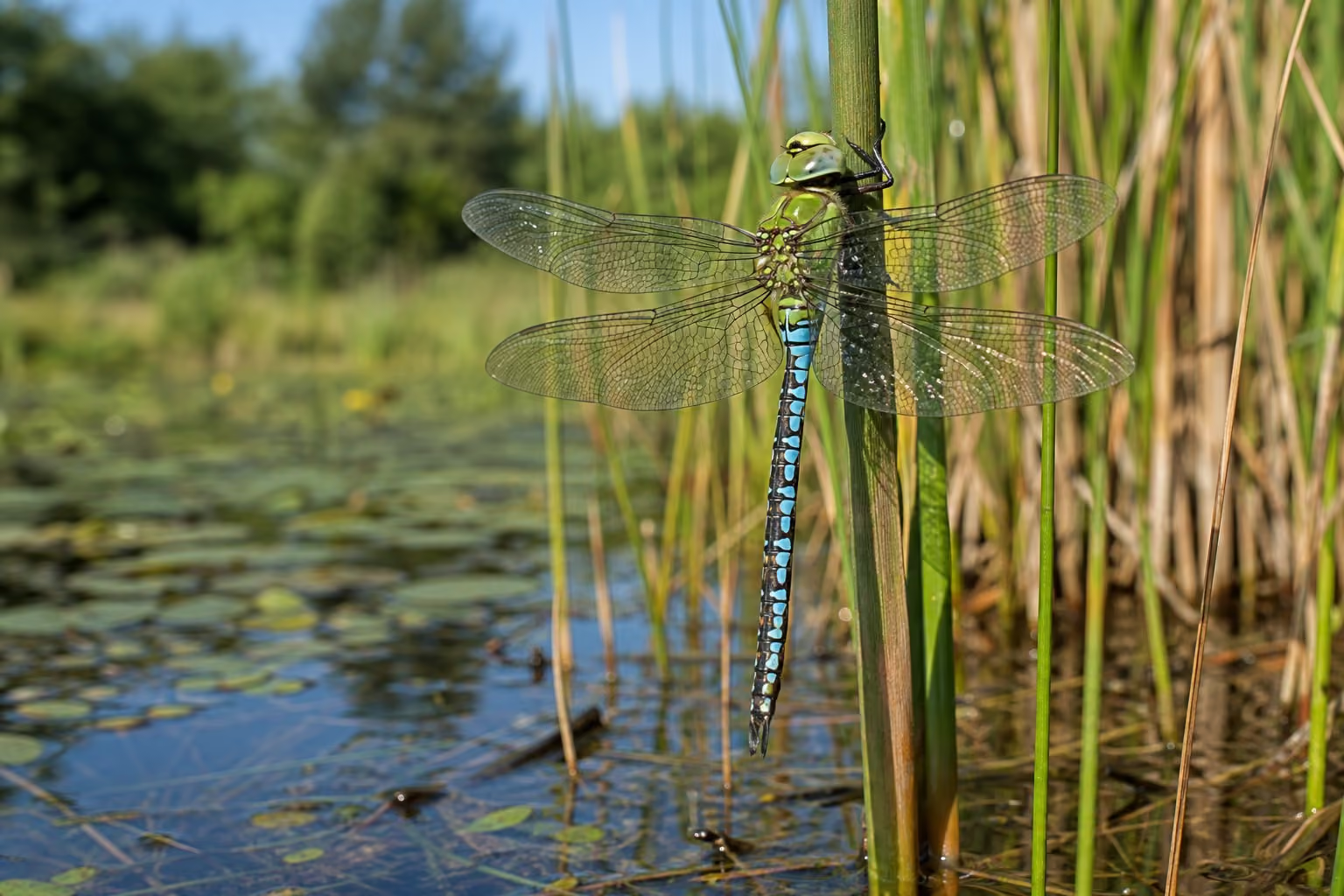
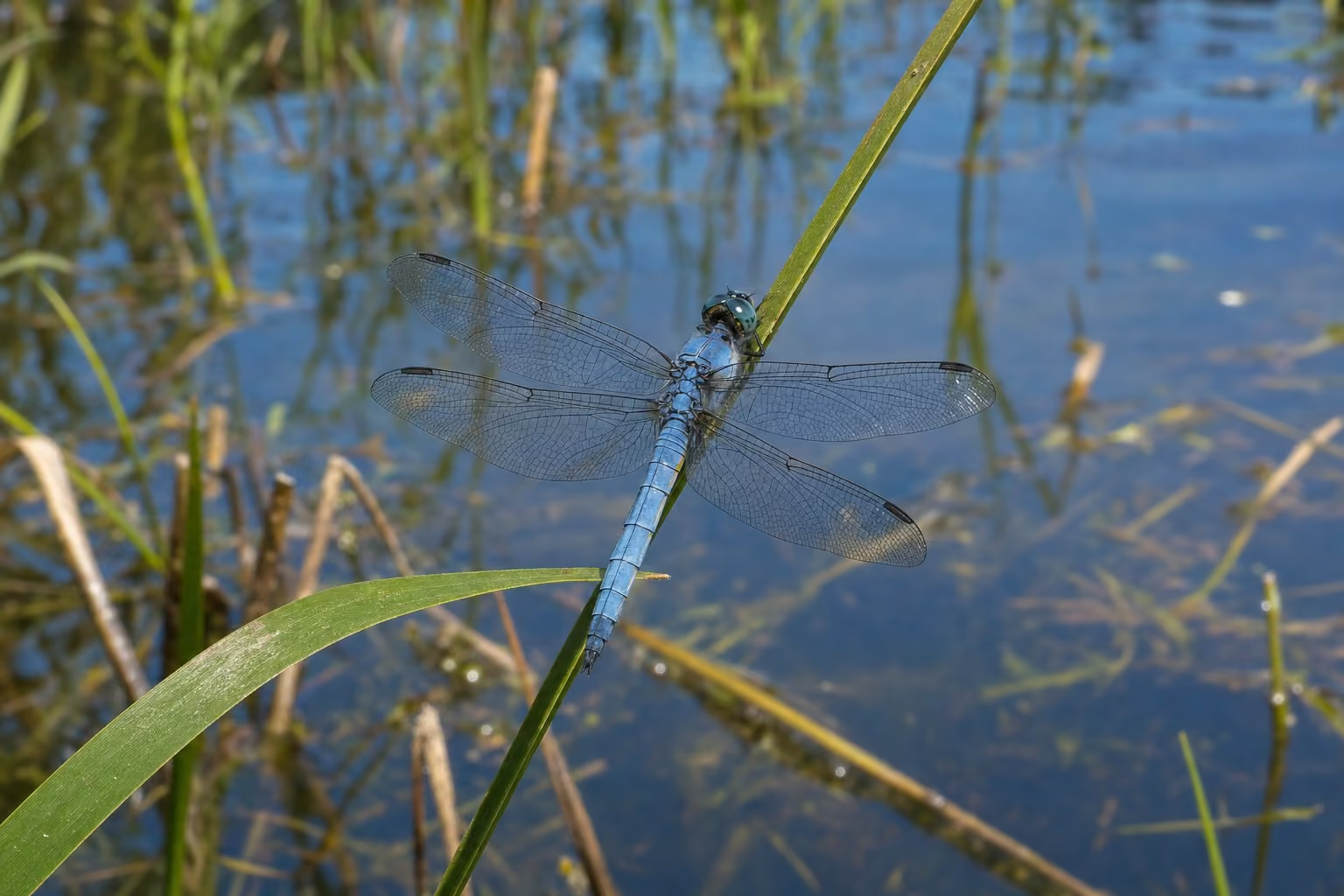
A large, powerful dragonfly ranging across Africa, most of Europe and south-western and central Asia. The male's sky-blue abdomen with a diagnostic black dorsal stripe is unmistakable, and in much of Europe this is the largest dragonfly on the wing.
Range

Habitat range map
Native range Occasional / Transient
PalearcticPalearcticPalearcticPalearcticPalearcticPalearcticPalearcticPalearcticPalearcticPalearcticPalearcticPalearcticPalearcticPalearcticPalearcticPalearcticPalearcticPalearcticPalearcticPalearcticPalearcticPalearcticPalearcticPalearcticAfrotropicalAfrotropicalAfrotropicalAfrotropical

Map: Ecoregions 2017 © RESOLVE (CC BY 4.0) · Natural Earth (PD)

Details

Habitat

It breeds in well-vegetated fresh waters such as ponds, ditches and slow-moving rivers. Since the 1990s its range has spread northward and to higher altitudes, now reaching Scandinavia and Scotland in step with a warming climate.

Appearance

Wingspan averages around 9 to 11 cm and weight is only a gram or three. Males have a bright sky-blue to turquoise abdomen bearing a black dorsal stripe, an apple-green thorax and head, and blue eyes; females are duller green, their wings browning with age.

Behavior

A fast, high-flying hawker, it often cruises with the abdomen held slightly downwards. Males are highly territorial and wary, hard to approach, and the species lives a largely solitary life.

Feeding

A carnivore, it catches butterflies, other dragonflies and even tadpoles on the wing, eating smaller prey in flight. The aquatic larvae are voracious predators that can reshape the species composition of the fresh waters they colonise.

Reproduction

Females lay their eggs alone, inserting them into water plants such as pondweed. The larvae develop underwater before climbing emergent vegetation to emerge as winged adults.

Notes

Populations are stable and widespread, and the dragonfly is assessed as of least concern. Its recent expansion north and uphill is linked to climate change, making it a visible indicator of a shifting natural world.