314 Featured Specimen
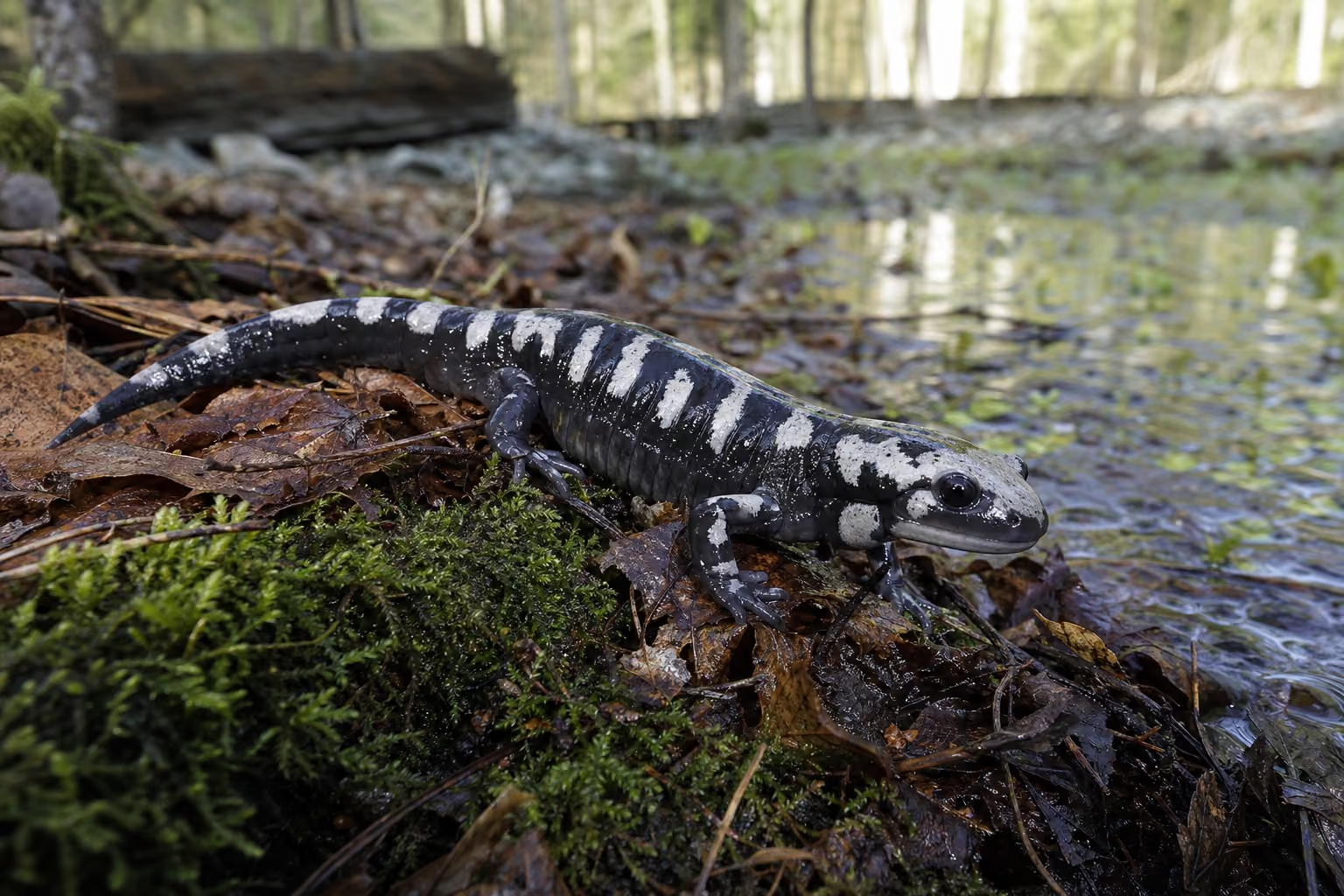
Marbled salamander

Details

Marbled salamander

Ambystoma opacum

Size
9–12.5 cm · 10–25 g
Diet
Carnivore
Activity
Nocturnal
Sociality
Solitary
Lifespan
8–12 years

The marbled salamander is a sturdy forest-floor salamander of eastern North America. Pale crossbands on a black body give it a polished, marbled look.
Range

Habitat range map
Native range Occasional / Transient

Map: Ecoregions 2017 © RESOLVE (CC BY 4.0) · Natural Earth (PD)

Details

Habitat

In the United States it uses deciduous woods, damp leaf litter, and floodplain depressions. It is often associated with seasonal fish-free pools and wetlands.

Appearance

Length is 9-12.5 cm and weight 10-25 g. The body is black with light crossbands, thick-bodied and short-legged, with subtle sex differences in band color.

Behavior

Nocturnal adults shelter by day under leaves, logs, or in burrows. They are solitary and emerge on rainy nights to move slowly across the forest floor.

Feeding

A carnivore, it eats earthworms, isopods, insect larvae, slugs, and other small litter animals. It hunts in damp leaf litter by sensing movement and chemical cues.

Reproduction

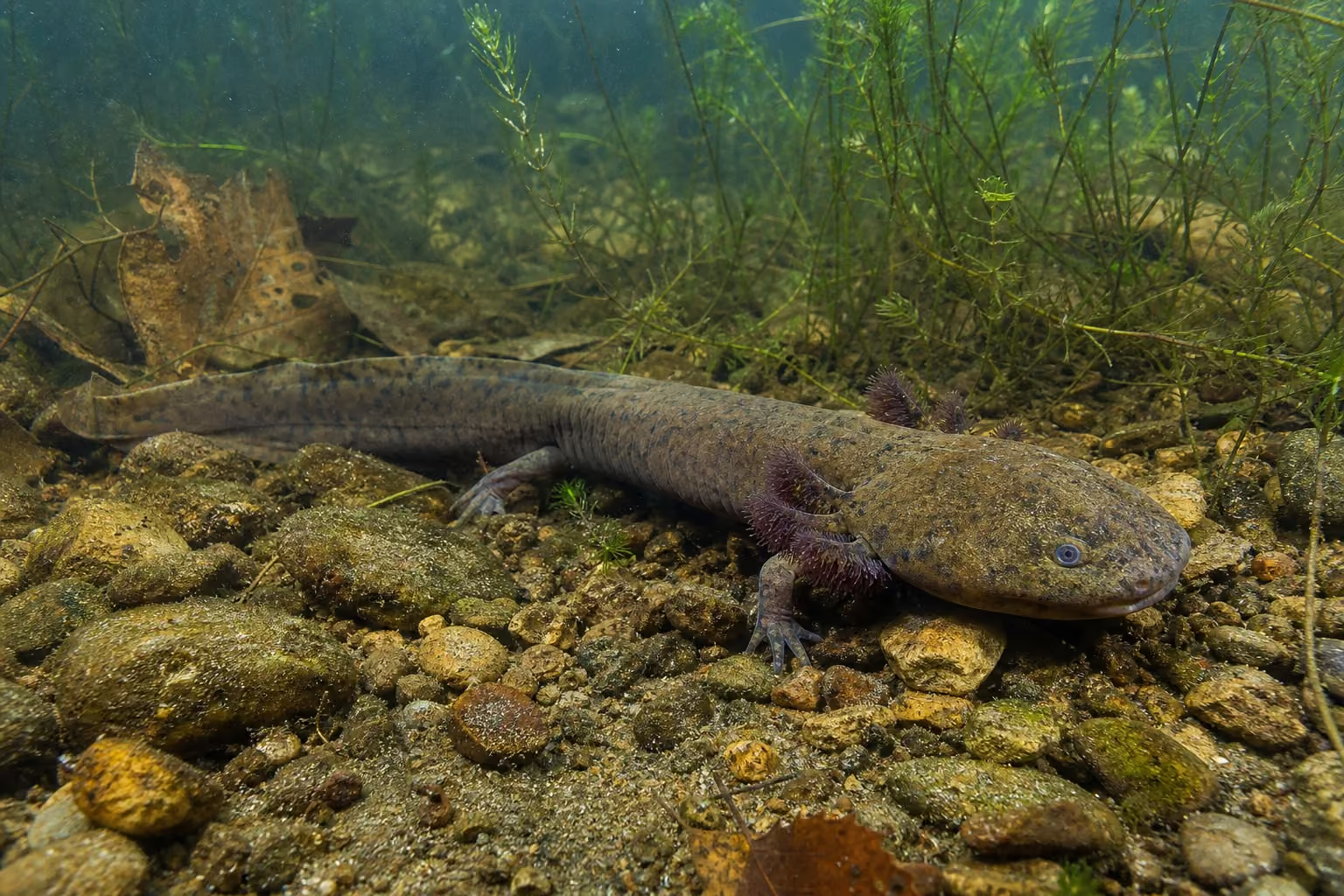
Unlike many salamanders, it breeds in autumn, laying eggs in dry pond basins or depressions near water. The female guards the clutch until rains flood the site and larvae enter the water.

Notes

It is listed as Least Concern. Local populations depend on fish-free temporary wetlands and the surrounding forest matrix.