319 Featured Specimen
Common mudpuppy

Details

Common mudpuppy

Necturus maculosus

Size
20–33 cm · 100–350 g
Diet
Carnivore
Activity
Nocturnal
Sociality
Solitary
Lifespan
20–30 years

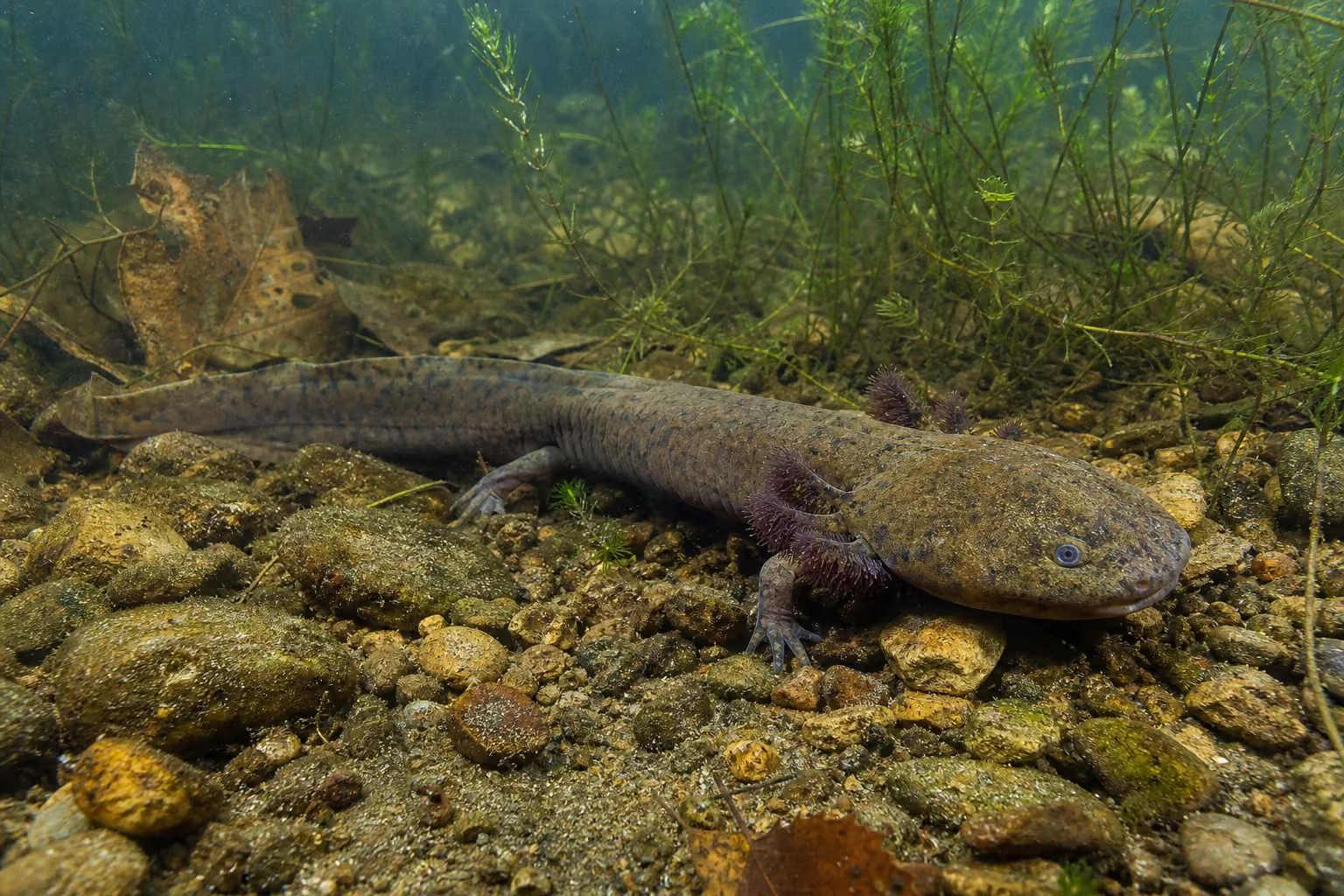
The common mudpuppy is a fully aquatic salamander of North American lakes and rivers. Adults retain external gills and walk the bottom at night in search of prey.
Range

Habitat range map
Native range Occasional / Transient
NearcticNearcticNearcticNearcticNearcticNearcticNearcticNearcticNearcticNearcticNearcticNearcticNearcticNearcticNearcticNearcticNearcticNearcticNearcticNearcticNearcticNearcticNearcticNearcticNearcticNearcticNearcticNearcticNearcticNearcticNearcticNearcticNearcticNearcticNearcticNearcticNearcticNearcticNearcticNearcticNearctic

Map: Ecoregions 2017 © RESOLVE (CC BY 4.0) · Natural Earth (PD)

Details

Habitat

It lives in Nearctic lakes, rivers, and large ponds with stones, logs, and other bottom cover. Cool, well-oxygenated water and daytime refuges are important.

Appearance

Length is 20-33 cm and weight 100-350 g. It has a stout body, flat head, reddish bushy external gills, a compressed tail, and grey-brown skin with dark spots.

Behavior

Nocturnal and mostly solitary, it walks along the bottom and shelters beneath rocks or logs. It remains active in cold water when many amphibians are inactive.

Feeding

A carnivore, it eats crayfish, aquatic insects, snails, worms, and small fish. It follows scent along the bottom and sucks prey into a wide mouth.

Reproduction

Females lay eggs under submerged stones or logs and remain nearby until hatching. Young live in water like adults and keep their external gills as they grow.

Notes

It is listed as Least Concern. Local animals are sensitive to polluted water and altered streambeds, making clean water and bottom cover important.