250 Featured Specimen
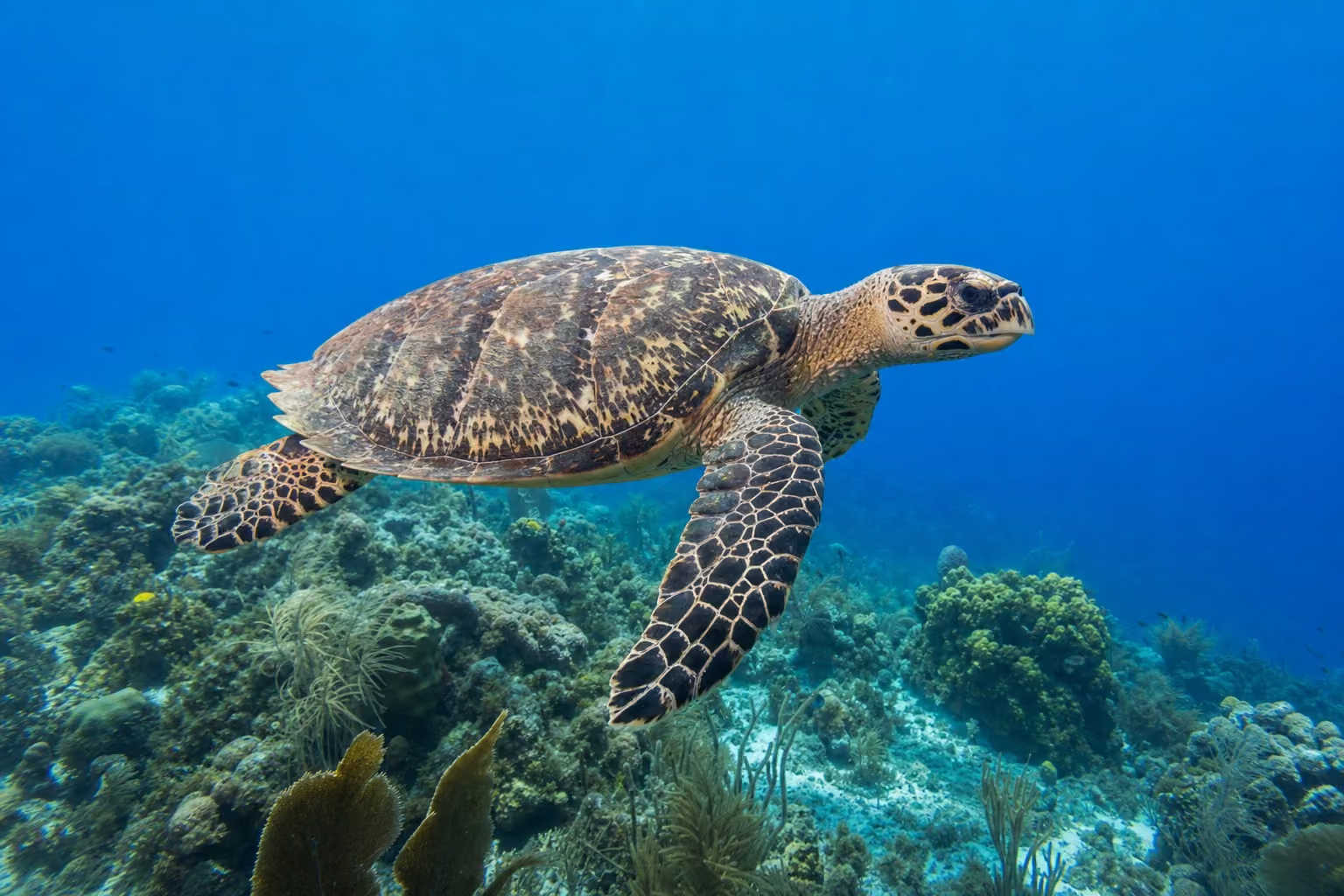
Hawksbill sea turtle

Details

Hawksbill sea turtle

Eretmochelys imbricata

Size
0.6–1.1 m · 45–90 kg
Diet
Omnivore
Activity
Diurnal
Sociality
Solitary
Lifespan
10-40 years

The hawksbill sea turtle uses coral reefs and open ocean across the Atlantic, Indian, and Pacific oceans. Diurnal and solitary, it picks food from reefs with a beak-like mouth.
Range

Habitat range map
Native range Occasional / Transient
Pacific OceanPacific OceanPacific OceanAtlantic OceanAtlantic OceanAtlantic OceanAtlantic OceanAtlantic OceanIndian Ocean

Map: Ecoregions 2017 © RESOLVE (CC BY 4.0) · Natural Earth (PD)

Details

Habitat

It uses coral reefs, rocky reefs, open ocean, tropical islands, and nesting beaches. Young drift at sea, while older turtles feed around reefs.

Appearance

Shell length is about 60-110 cm and weight about 45-90 kg. Overlapping scutes, a sharply hooked beak, and a brown-yellow patterned shell are distinctive.

Behavior

It forages alone on reefs, pushing its head into narrow spaces for food. At sea it can travel long distances and females return to beaches to nest.

Feeding

It is omnivorous but is especially known for eating sponges. It also takes cnidarians, algae, and small invertebrates.

Reproduction

Females come ashore at night, dig nests in sand, and lay eggs. Hatchlings crawl to the sea and later shift from open-ocean life toward reefs.

Notes

Its status is listed as Critically Endangered. Shell trade, bycatch, and changes to nesting beaches remain major threats.