252 Featured Specimen
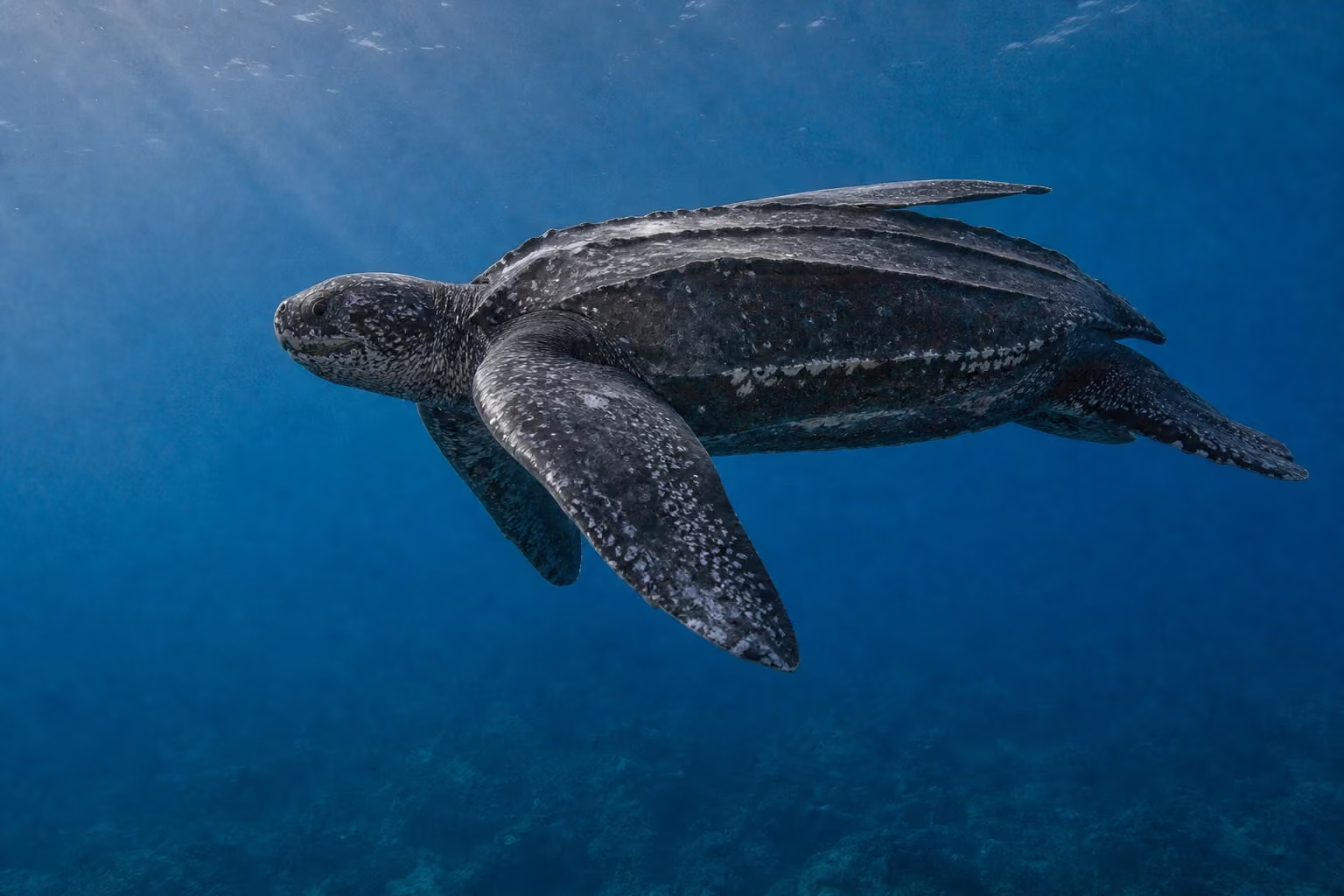
Leatherback sea turtle

Details

Leatherback sea turtle

Dermochelys coriacea

Size
1.3–1.8 m · 250–700 kg
Diet
Carnivore
Activity
Diurnal
Sociality
Solitary
Lifespan
10-40 years

The leatherback sea turtle is one of the largest sea turtles, ranging through the Atlantic, Indian, and Pacific oceans. Diurnal and solitary, it pursues jellyfish in open water.
Range

Habitat range map
Native range Occasional / Transient
Pacific OceanPacific OceanPacific OceanAtlantic OceanAtlantic OceanAtlantic OceanAtlantic OceanAtlantic OceanIndian Ocean

Map: Ecoregions 2017 © RESOLVE (CC BY 4.0) · Natural Earth (PD)

Details

Habitat

It uses open ocean from tropical to cool seas and comes ashore only to nest. Productive feeding waters and safe nesting beaches are both essential.

Appearance

Shell length is about 130-180 cm and weight about 250-700 kg. Instead of hard scutes, it has a black leathery carapace with strong lengthwise ridges.

Behavior

It migrates long distances alone and can dive deeply. Its ability to retain heat allows it to enter colder waters than many other sea turtles.

Feeding

It is carnivorous, feeding mainly on jellyfish and other gelatinous animals. Backward-pointing structures in the mouth help hold slippery prey.

Reproduction

Females land on sandy beaches, dig nests, and lay many eggs. Hatchlings crawl to the sea and grow in oceanic habitats.

Notes

Its status is listed as Vulnerable. Bycatch, plastic ingestion, and loss of nesting beaches are major concerns, requiring international conservation.