723 Featured Specimen
Details
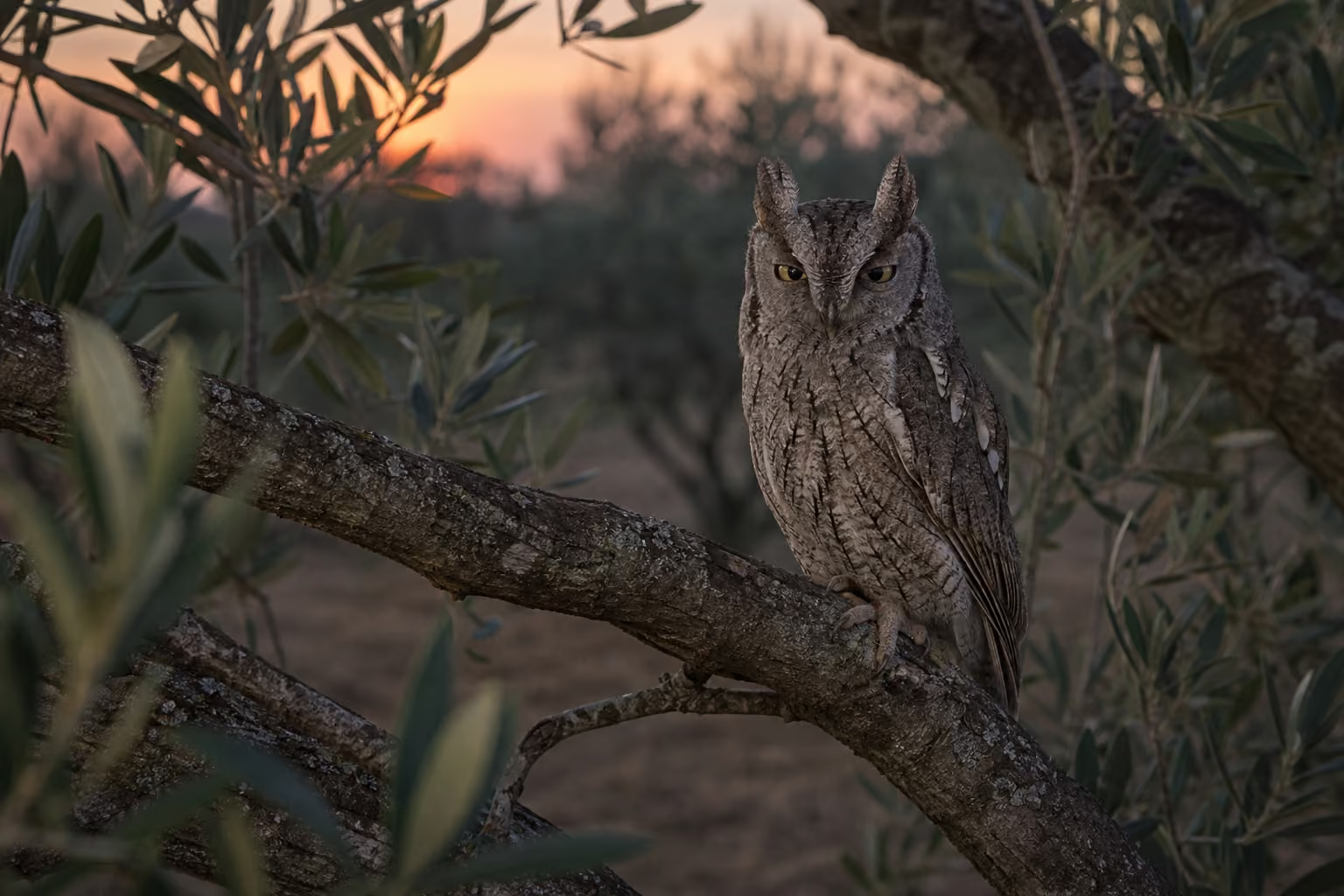
Eurasian scops owl
Otus scops
- Size
- 19–21 cm · 60–135 g
- Diet
- Carnivore
- Activity
- Nocturnal
- Sociality
- Solitary
- Lifespan
- —
A tiny migratory owl with slim ear tufts and bark-like plumage, hunting many insects at night.
Details
Otus scops
A tiny migratory owl with slim ear tufts and bark-like plumage, hunting many insects at night.
Map: Ecoregions 2017 © RESOLVE (CC BY 4.0) · Natural Earth (PD)
Uses open woodland, orchards, olive groves, parks, and wooded farmland, with savanna and open woods used on wintering grounds.
Gray-brown to rufous plumage has fine streaking like bark. Small ear tufts, yellow eyes, and a slim body are distinctive.
By day it roosts narrow and upright along branches. At night it becomes active, repeating a simple whistled call in the breeding season.
Large insects dominate, with spiders, small reptiles, small birds, and small mammals also taken. Insects around lights may be used.
Nests are placed in tree holes, old woodpecker holes, building cavities, and nest boxes after migration back to breeding areas.
The broad range keeps it low-risk; loss of old cavity trees and insect-rich rural landscapes can limit local populations.