713 Featured Specimen
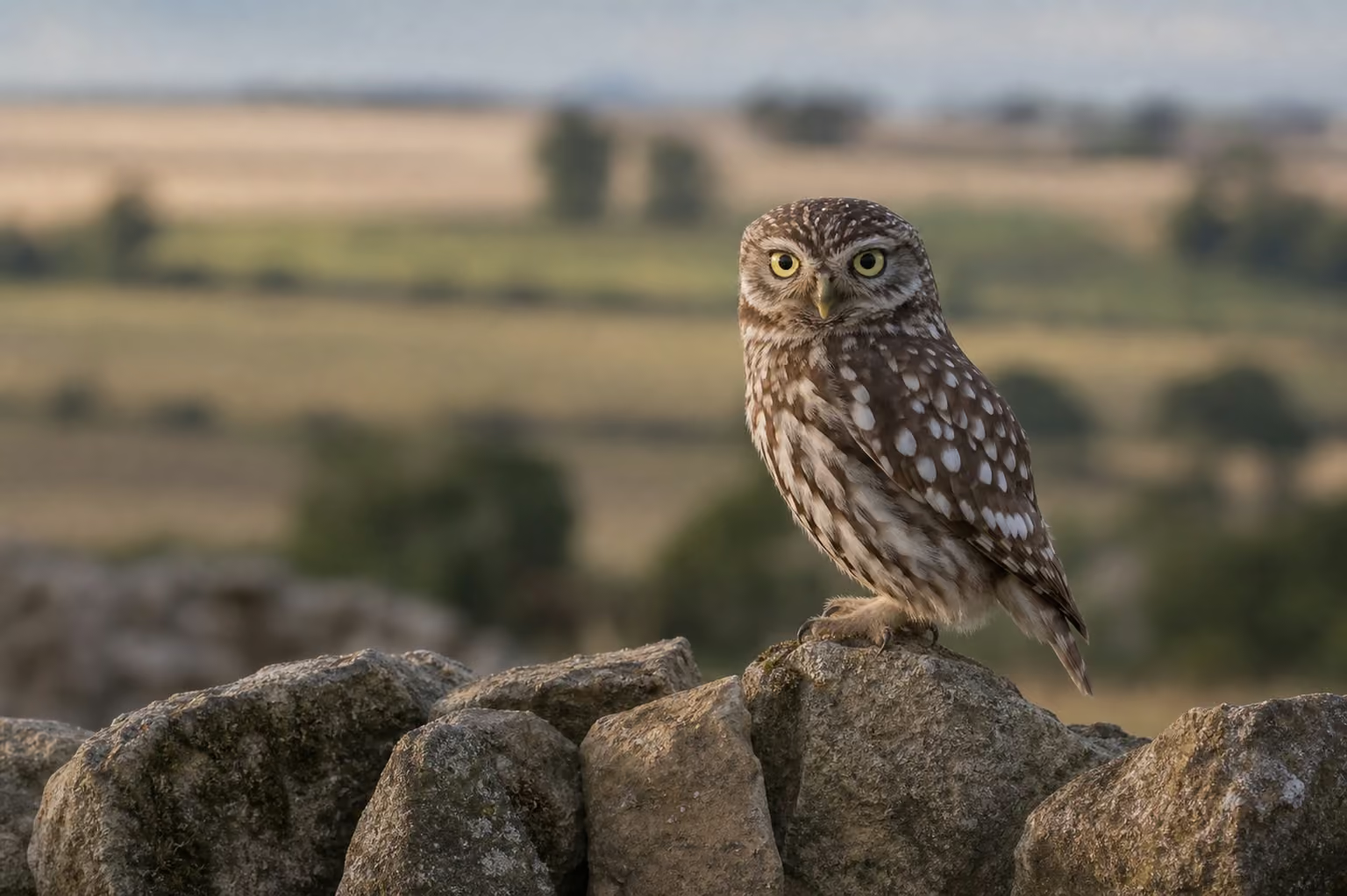
Little owl

Details

Little owl

Athene noctua

Size
21–23 cm · 140–220 g
Diet
Carnivore
Activity
Nocturnal
Sociality
Solitary
Lifespan

A small owl with a low stance and bright golden eyes, hunting insects and small animals around farms, walls, and old buildings.
Range

Habitat range map
Native range Occasional / Transient
PalearcticPalearcticPalearcticPalearcticPalearcticPalearcticPalearcticPalearcticPalearcticPalearcticPalearcticPalearcticPalearcticPalearcticPalearcticPalearcticPalearcticPalearcticPalearcticPalearcticPalearcticPalearcticPalearcticPalearcticIndomalayanIndomalayanIndomalayanIndomalayanIndomalayanIndomalayanIndomalayanIndomalayanIndomalayanIndomalayanIndomalayanIndomalayanIndomalayanIndomalayanIndomalayan

Map: Ecoregions 2017 © RESOLVE (CC BY 4.0) · Natural Earth (PD)

Details

Habitat

Uses pasture, orchards, villages, semi-arid land, and open areas with walls, old trees, or buildings, often close to people.

Appearance

The head is rounded without ear tufts, with golden eyes and pale brows. Brown plumage is heavily spotted white.

Behavior

Mostly nocturnal but often active at dusk or by day. It runs on the ground and pounces from low perches.

Feeding

Insects, earthworms, small mammals, birds, and reptiles are eaten, with insects especially important in warm seasons.

Reproduction

Nests are placed in tree holes, walls, buildings, and nest boxes, usually near open feeding areas.

Notes

Globally low-risk, though parts of Europe have declined as farmland changes and old trees or nest holes disappear.