291 Featured Specimen
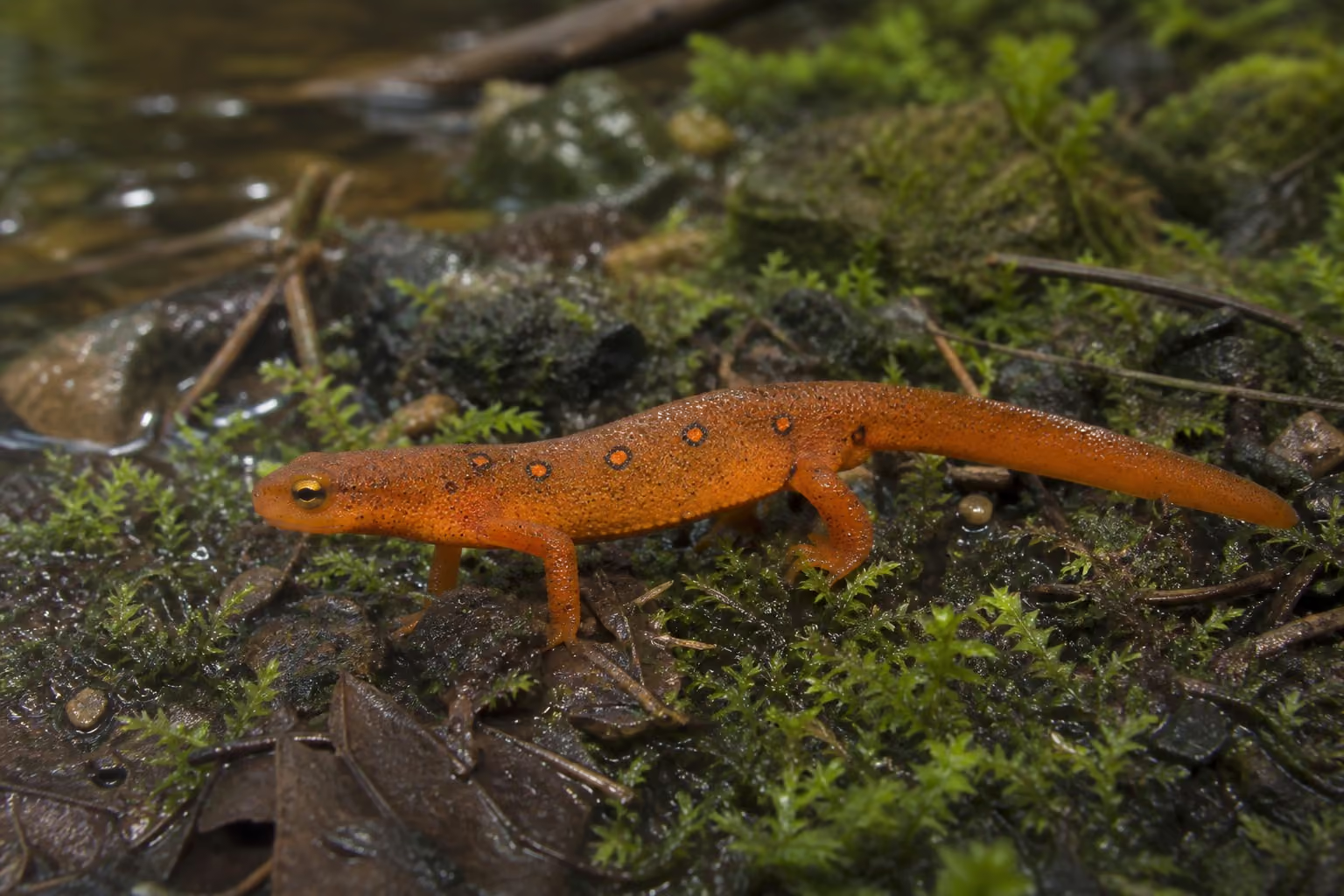
Eastern newt

Details

Eastern newt

Notophthalmus viridescens

Size
6–12 cm · 2–10 g
Diet
Carnivore
Activity
Nocturnal
Sociality
Solitary
Lifespan
4-15 years

The eastern newt is a small Nearctic salamander that uses both forest and freshwater habitats. It is a solitary nocturnal carnivore.
Range

Habitat range map
Native range Occasional / Transient
NearcticNearcticNearcticNearcticNearcticNearcticNearcticNearcticNearcticNearcticNearcticNearcticNearcticNearcticNearcticNearcticNearcticNearcticNearcticNearcticNearcticNearcticNearcticNearcticNearcticNearcticNearcticNearcticNearcticNearcticNearcticNearcticNearcticNearcticNearcticNearcticNearcticNearcticNearcticNearcticNearctic

Map: Ecoregions 2017 © RESOLVE (CC BY 4.0) · Natural Earth (PD)

Details

Habitat

It lives around ponds, wetlands, lake margins, and surrounding forest. Different life stages use aquatic and damp terrestrial habitats.

Appearance

Length is about 6-12 cm and weight about 2-10 g. Color changes with life stage, from greenish adults to bright orange terrestrial juveniles.

Behavior

It is nocturnal and solitary. In water it swims with its tail, while on land it moves slowly beneath leaf litter.

Feeding

It is carnivorous, eating small aquatic invertebrates, insects, larvae, and similar prey. Diet shifts with habitat and life stage.

Reproduction

Breeding occurs in water, where females attach eggs to aquatic plants or debris. Larvae develop in water and may later move onto land.

Notes

Its conservation status is LC. Connected forest and wetland habitat supports the full life cycle.