091 Featured Specimen
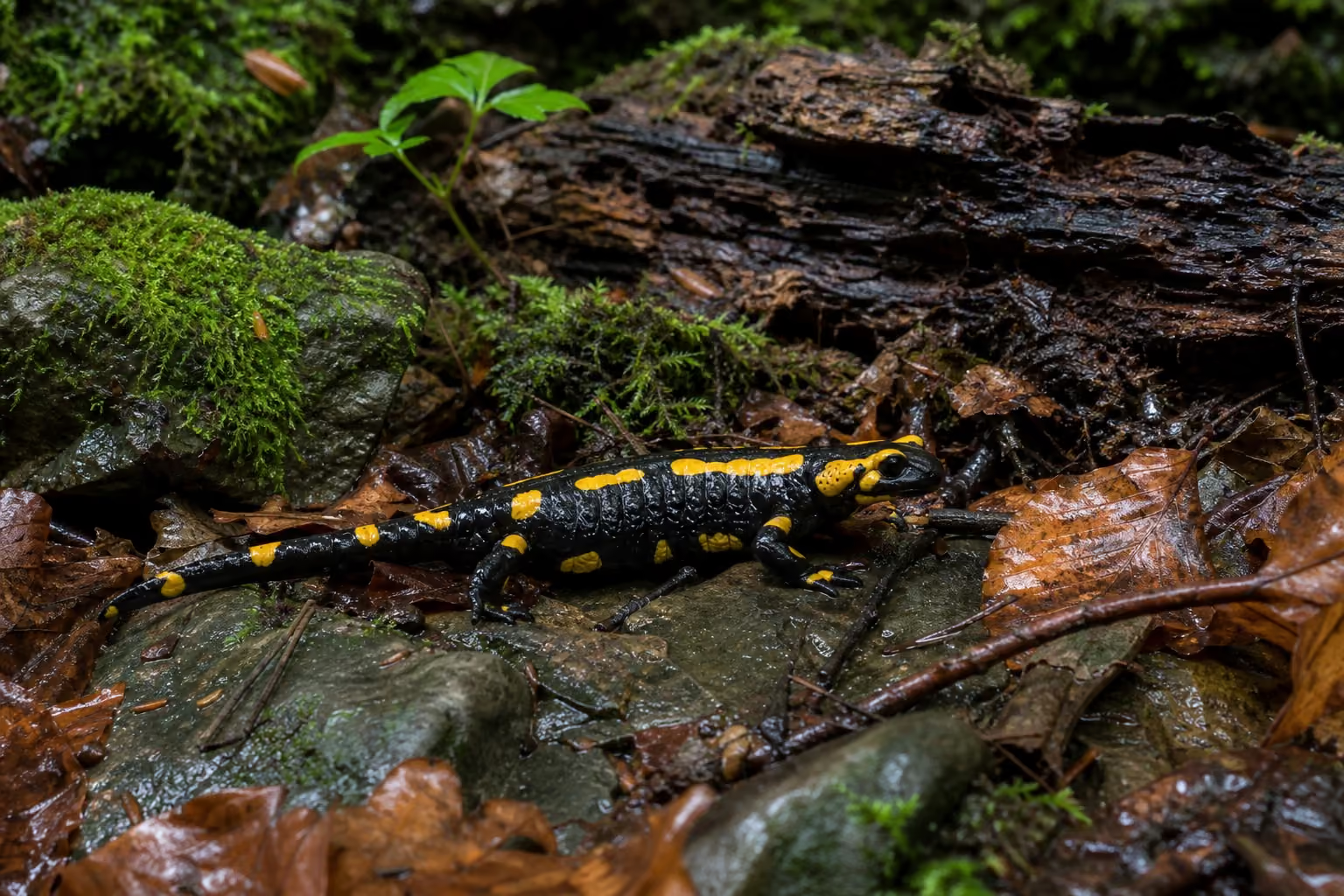
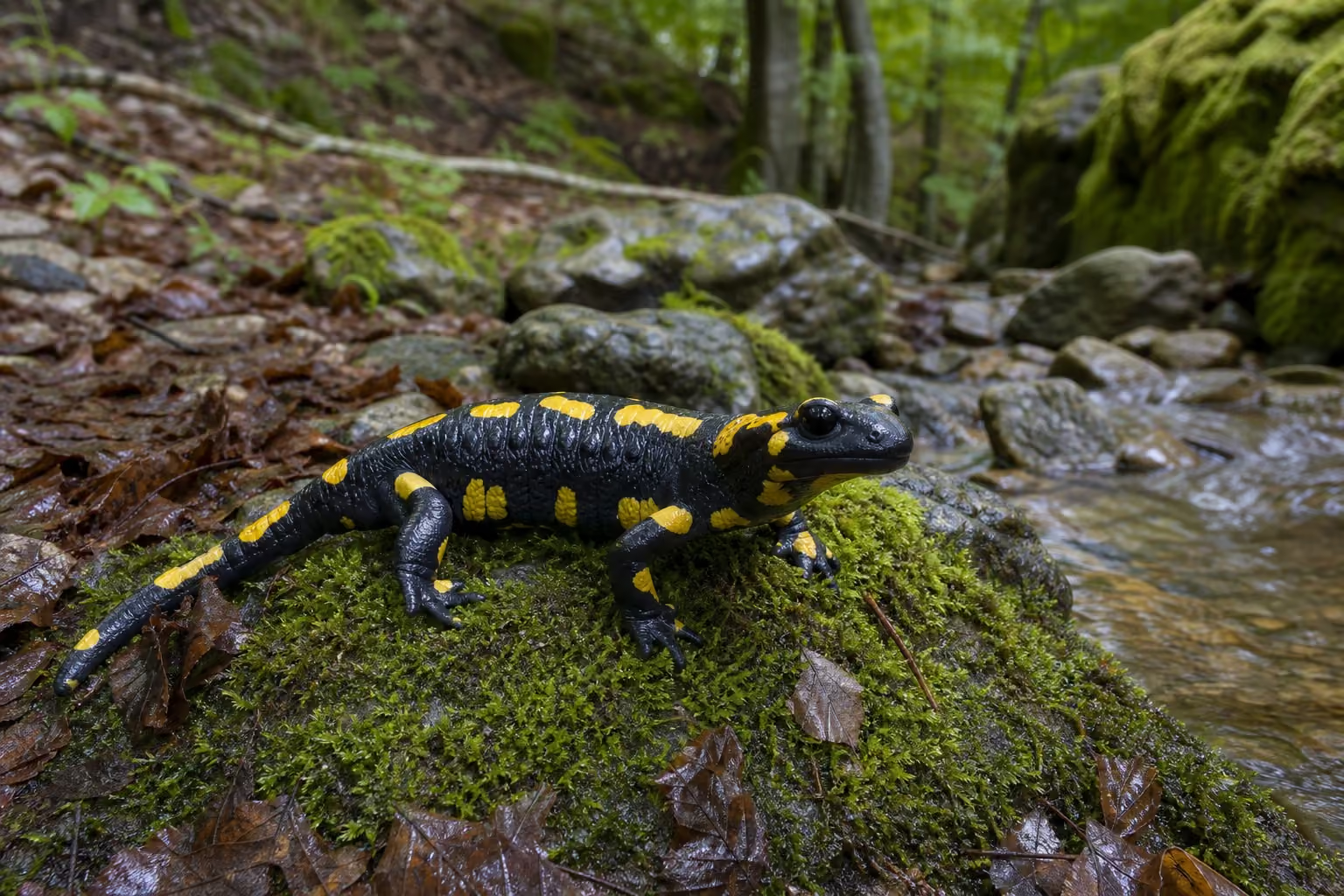
Fire salamander

Details

Fire salamander

Salamandra salamandra

Size
15–25 cm · 20–50 g
Diet
Carnivore
Activity
Nocturnal
Sociality
Solitary
Lifespan
Varies by species and environment

One of Europe's largest salamanders, jet-black skin boldly marked with yellow (occasionally orange or red) spots and stripes. It lives in damp deciduous woodland and is famous for the potent alkaloid toxins it secretes from its skin glands.
Range

Habitat range map
Native range Occasional / Transient
PalearcticPalearcticPalearcticPalearcticPalearcticPalearcticPalearcticPalearcticPalearcticPalearcticPalearcticPalearcticPalearcticPalearcticPalearcticPalearcticPalearcticPalearcticPalearcticPalearcticPalearcticPalearcticPalearcticPalearctic

Map: Ecoregions 2017 © RESOLVE (CC BY 4.0) · Natural Earth (PD)

Details

Habitat

It ranges across southern, central and eastern Europe, from the Iberian Peninsula east to Ukraine and Romania, but is absent from Scandinavia and the British Isles. It favors the dark, moist floor of hilly and montane deciduous or mixed forests, staying close to clean brooks and ponds where its larvae develop.

Appearance

Reaching 15 to 25 cm and weighing 20 to 50 g, it has a stout body with short thick limbs and a cylindrical tail. The glossy black ground color carries highly variable yellow, orange or red spots and bands that serve as a warning signal to predators.

Behavior

A solitary animal, it emerges at night and on rainy days, spending daylight hidden beneath logs, leaf litter and mossy trunks. It is known to memorize landmarks and rely on vision to find its way back to a home site.

Feeding

Carnivorous, it preys on small invertebrates such as earthworms, slugs, spiders, centipedes and insects, hunting them with keen eyesight even in the dim light of the forest floor.

Reproduction

Mating takes place on land, and after a gestation of roughly eight to nine months the female travels alone at night to the water to deposit her larvae. A typical brood numbers about 30 and can approach 70, and the larvae take several weeks to a few months to metamorphose.

Notes

It defends itself by ejecting neurotoxic alkaloids, chiefly samandarin, from its glands, and captive individuals have lived for as long as 50 years. A salamander-killing chytrid fungus and habitat loss now threaten the species, driving steep regional population crashes.