552 Featured Specimen
Common coqui

Details

Common coqui

Eleutherodactylus coqui

Size
2.5–5.5 cm
Diet
Carnivore
Activity
Nocturnal
Sociality
Solitary
Lifespan

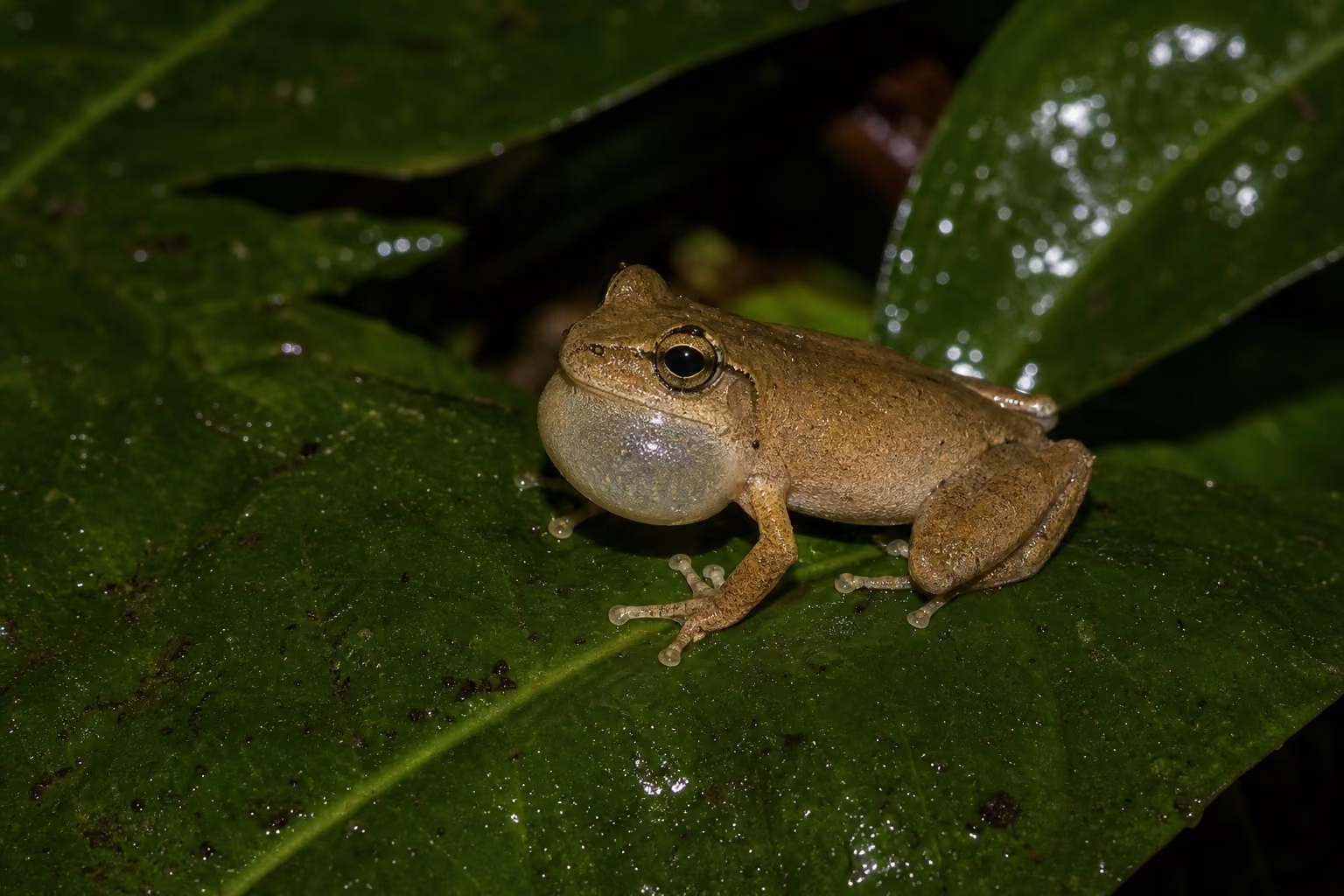
The common coqui is a small frog and a cultural symbol of Puerto Rico, named for the male's two-note ko-kee call. It skips a free-swimming tadpole stage, hatching directly as a tiny frog.
Range

Habitat range map
Native range Occasional / Transient
Pacific OceanPacific OceanPacific OceanNeotropicalNeotropicalNeotropicalNeotropicalNeotropicalNeotropicalNeotropicalNeotropical

Map: Ecoregions 2017 © RESOLVE (CC BY 4.0) · Natural Earth (PD)

Details

Habitat

It is widespread in Puerto Rico in forest, gardens, farms and urban edges, using damp leaves, bark and crevices. Introduced populations are established in places such as Hawaii.

Appearance

Adults are about 2.5-5.5 cm long, with females larger than males. Color varies from brown to gray or tan, sometimes with fine dorsal lines or mottling.

Behavior

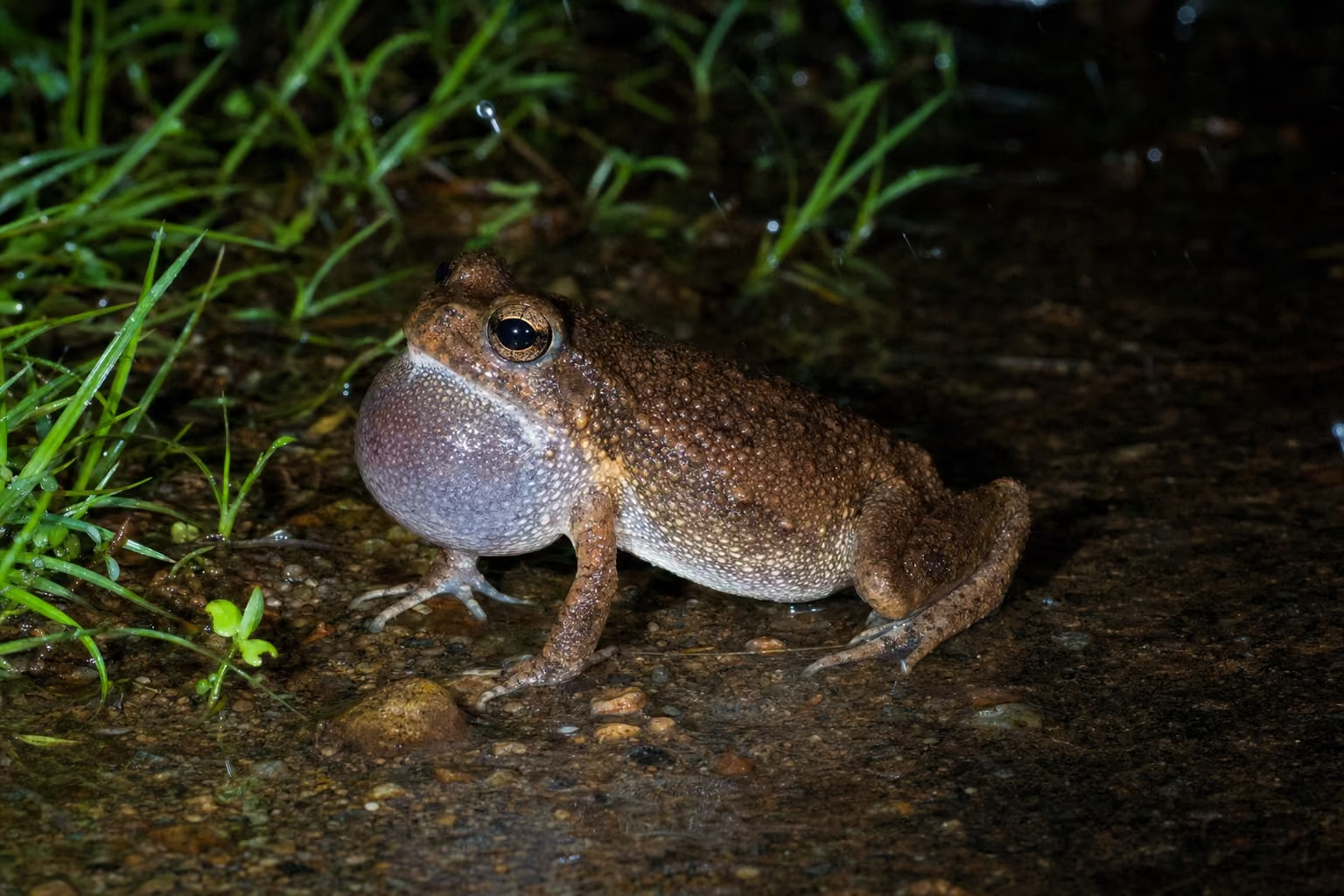
Nocturnal males call loudly from elevated perches. The first co note acts mainly as a territorial signal to males, while the kee note attracts females.

Feeding

Small insects, spiders, mites and ants are eaten. The frog waits on leaves and trunks at night, snapping up small animals that pass nearby.

Reproduction

Females lay eggs in damp terrestrial shelters, and males guard them. Embryos develop inside the egg and hatch as fully formed froglets.

Notes

In its native range the coqui is beloved, but introduced populations can become noisy and dense. Direct development lets it breed without standing water.