288 Featured Specimen
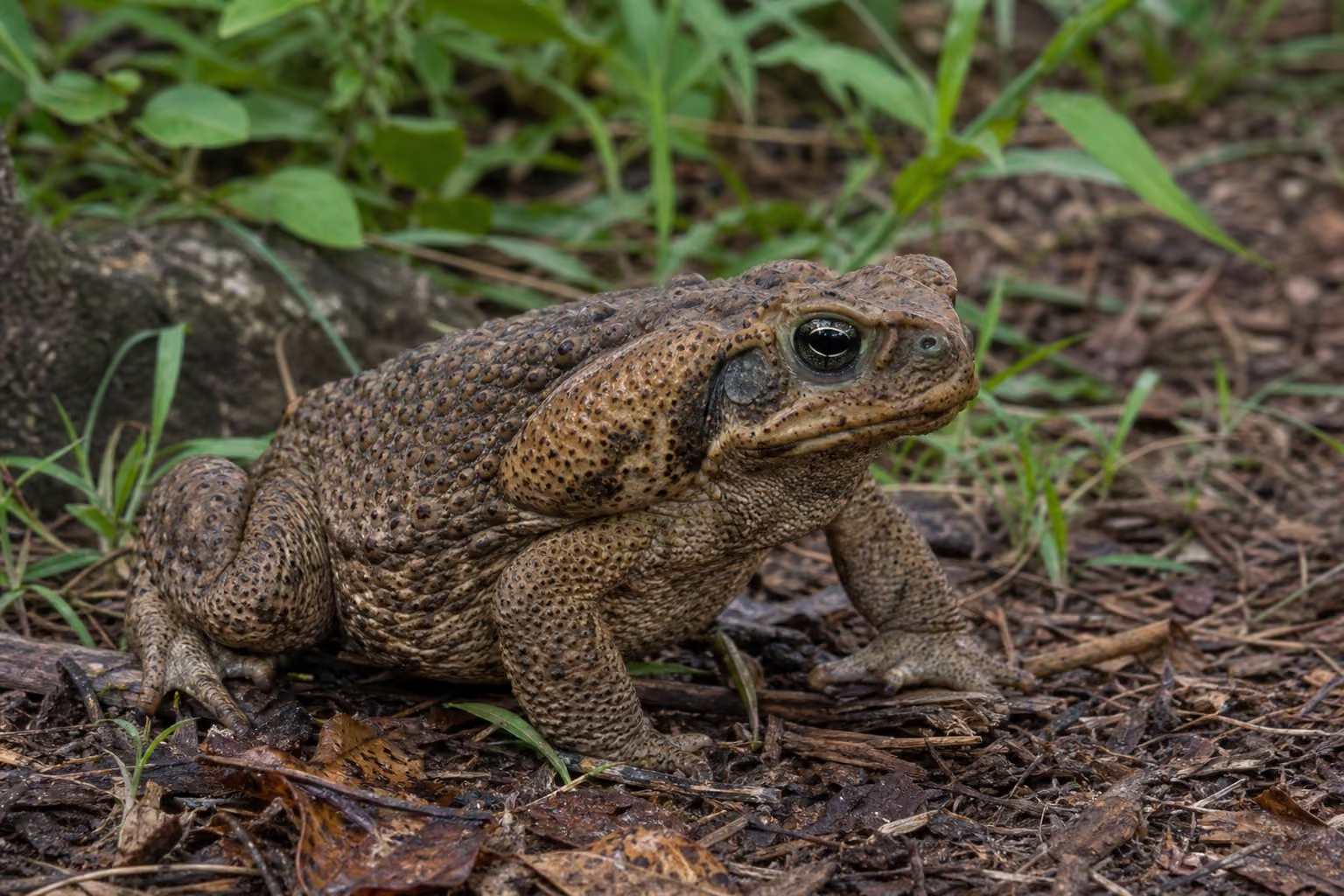
Cane toad

Details

Cane toad

Rhinella marina

Size
10–24 cm · 0.2–1.5 kg
Diet
Carnivore
Activity
Nocturnal
Sociality
Solitary
Lifespan
4-15 years

The cane toad is a large toad associated with Neotropical and Australasian forests, grasslands, and urban edges. It is a nocturnal carnivore.
Range

Habitat range map
Native range Occasional / Transient
NeotropicalNeotropicalNeotropicalNeotropicalNeotropicalNeotropicalNeotropicalNeotropicalAustralasianAustralasianAustralasianAustralasianAustralasianAustralasianAustralasianAustralasianAustralasianAustralasianAustralasianAustralasianAustralasianAustralasianAustralasianAustralasianAustralasian

Map: Ecoregions 2017 © RESOLVE (CC BY 4.0) · Natural Earth (PD)

Details

Habitat

It uses forest, grassland, farmland, and towns. Freshwater ponds, ditches, or channels are needed for breeding.

Appearance

Body length is about 10-24 cm and weight about 200-1500 g. It has a heavy body, large parotoid glands, and warty skin.

Behavior

It is nocturnal and solitary. It walks over the ground to forage and shelters under cover or in soil during dry conditions.

Feeding

It is carnivorous, eating insects and many other small animals. It may exploit insects gathered around artificial lights.

Reproduction

Females lay long strings of eggs in water. Tadpoles develop in freshwater and later metamorphose onto land.

Notes

Its conservation status is LC. In introduced regions, toxins and adaptability can create serious impacts on native wildlife.