555 Featured Specimen
Túngara frog

Details

Túngara frog

Engystomops pustulosus

Size
2.3–3.5 cm
Diet
Carnivore
Activity
Nocturnal
Sociality
Loose group
Lifespan

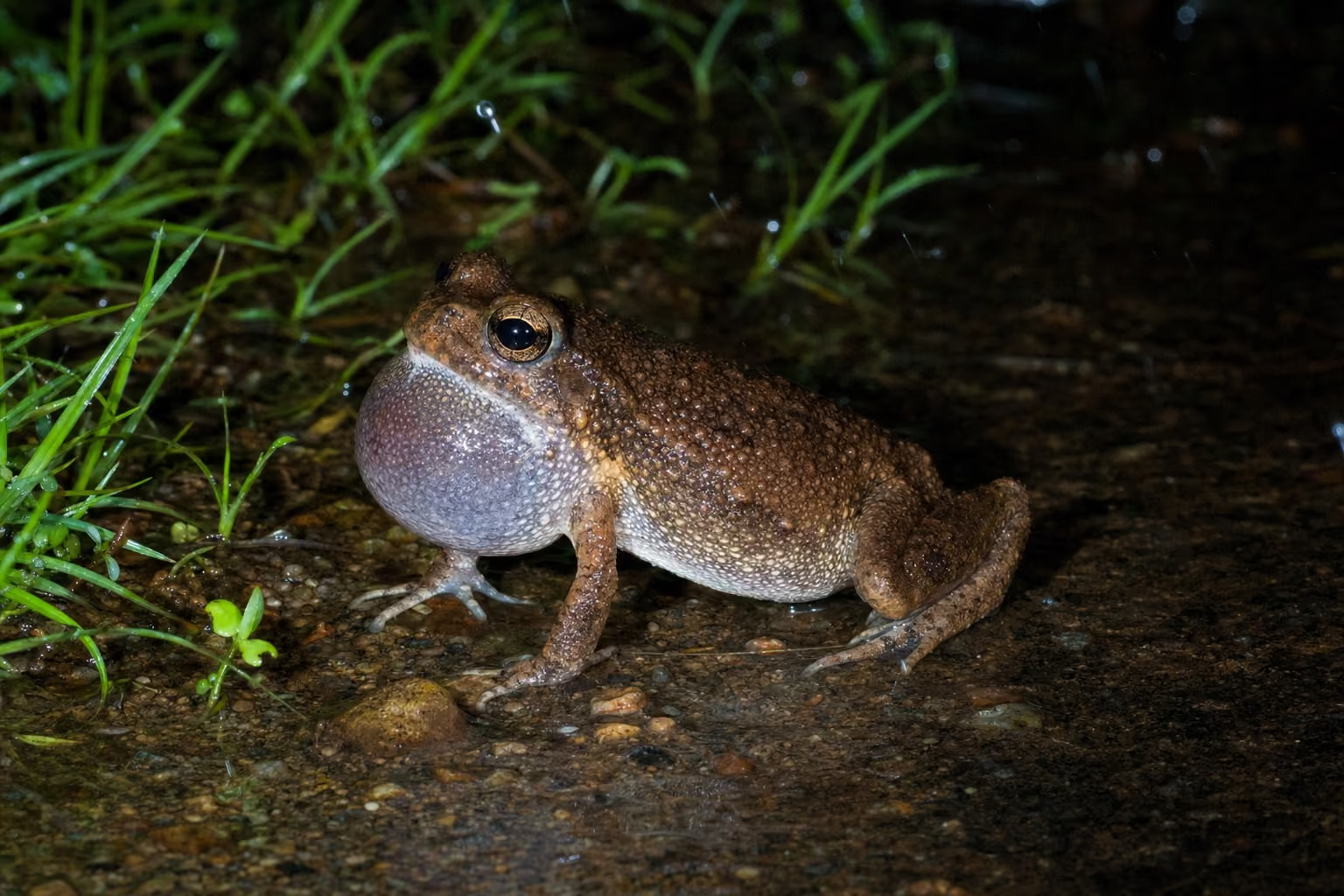
The túngara frog is a small frog of Central America and northern South America, named for the male's distinctive tung-like call. It is a classic study animal for mate choice and predation risk.
Range

Habitat range map
Native range Occasional / Transient
NeotropicalNeotropicalNeotropicalNeotropicalNeotropicalNeotropicalNeotropicalNeotropical

Map: Ecoregions 2017 © RESOLVE (CC BY 4.0) · Natural Earth (PD)

Details

Habitat

It ranges from southern Mexico through Central America to Colombia, Venezuela and Trinidad. Forest edges, grassland, farms and villages are used, with puddles and ditches serving as rainy-season breeding sites.

Appearance

Adults are about 2.3-3.5 cm long. The brown, rounded body has warty bumps that blend with soil and leaf litter, and calling males inflate a conspicuous vocal sac.

Behavior

Nocturnal males call from shallow water. Adding extra notes can attract females, but it also makes the caller easier for predators such as bats to locate.

Feeding

Small insects, spiders, mites and other tiny invertebrates are eaten. The frog hunts on damp ground.

Reproduction

Pairs build floating foam nests at the water surface, protecting the eggs inside the froth. As rains fill pools, tadpoles leave the foam and develop in water.

Notes

This species has contributed heavily to behavioral ecology, especially studies of mate choice, acoustic communication and predator eavesdropping.