557 Featured Specimen
Pacific tree frog

Details

Pacific tree frog

Pseudacris regilla

Size
2–5 cm
Diet
Carnivore
Activity
Nocturnal
Sociality
Solitary
Lifespan

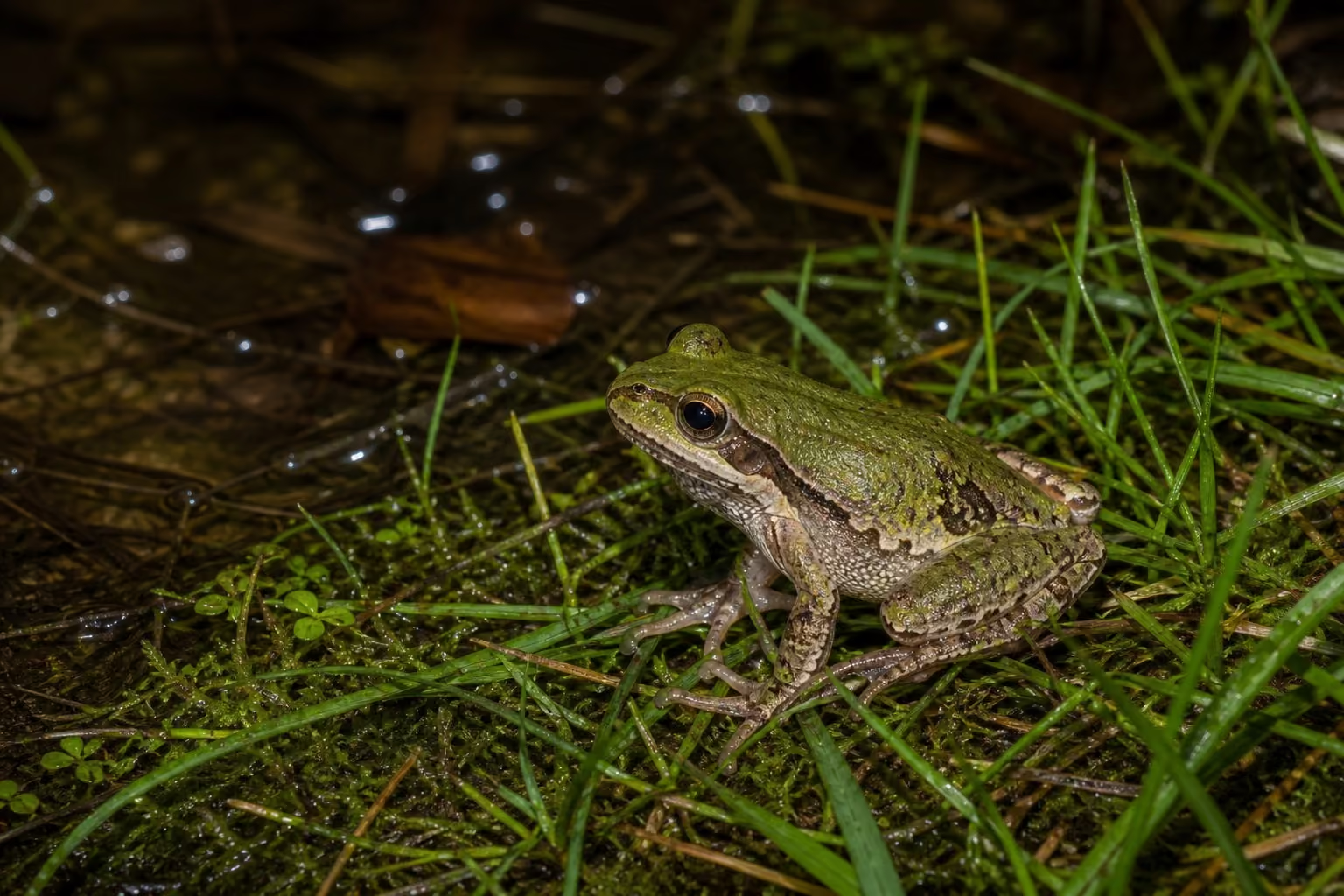
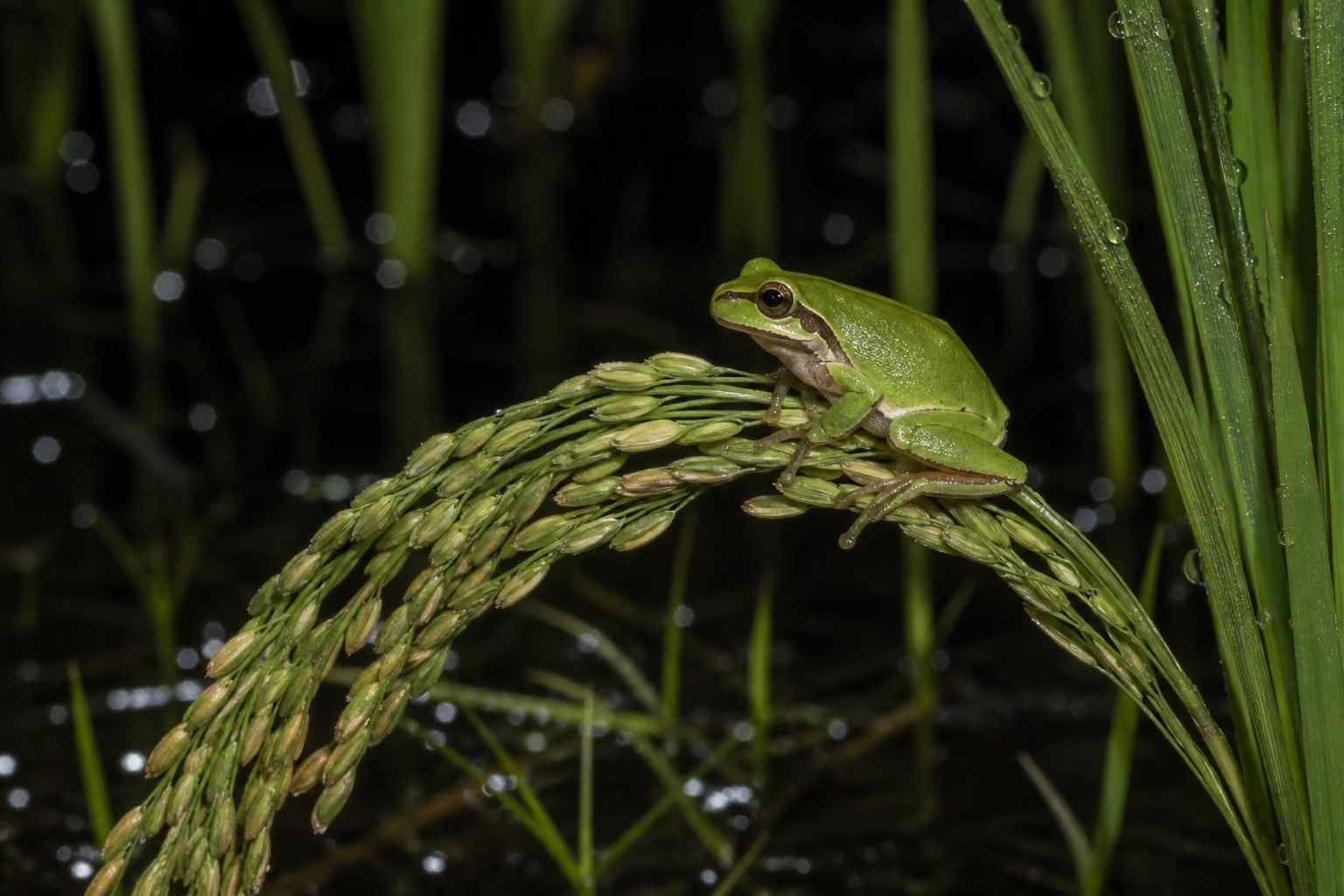
The Pacific tree frog is a familiar small frog of western North America. It shifts from green to brown and is recognized by a dark eye stripe and a surprisingly loud voice.
Range

Habitat range map
Native range Occasional / Transient
NearcticNearcticNearcticNearcticNearcticNearcticNearcticNearcticNearcticNearcticNearcticNearcticNearcticNearcticNearcticNearcticNearcticNearcticNearcticNearcticNearcticNearcticNearcticNearcticNearcticNearcticNearcticNearcticNearcticNearcticNearcticNearcticNearcticNearcticNearcticNearcticNearcticNearcticNearcticNearcticNearctic

Map: Ecoregions 2017 © RESOLVE (CC BY 4.0) · Natural Earth (PD)

Details

Habitat

It ranges from southeastern Alaska through British Columbia and the Pacific coast of the United States. Forest, grassland, farms, gardens and wetlands are used, with ponds and temporary pools for breeding.

Appearance

Adults are about 2-5 cm long. Color varies from green to brown or gray, often changing with conditions, and a dark stripe runs from the eye toward the shoulder.

Behavior

Mostly nocturnal, males call loudly after rain and during the breeding season. The frogs climb low vegetation near water and retreat into cover during dry weather.

Feeding

Small insects, spiders, flies and ants are eaten. The frog waits near water or in grass for tiny moving prey.

Reproduction

Breeding usually occurs from winter into spring in shallow ponds and temporary water. Females attach egg clusters to vegetation, and tadpoles transform quickly.

Notes

Because it is widespread and adaptable around people, the species is listed as Least Concern. Taxonomy varies by region as relationships with close relatives are refined.