233 Featured Specimen
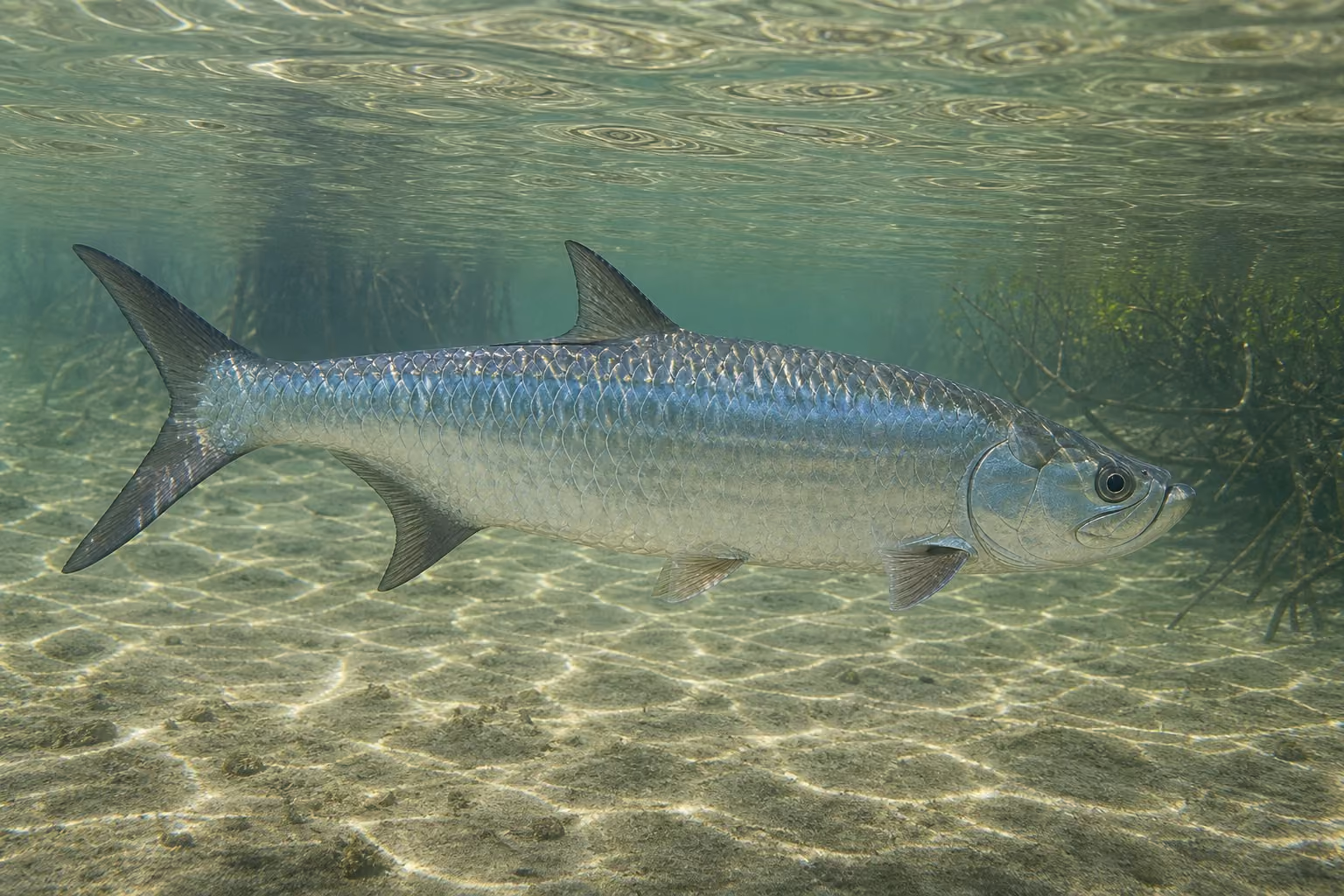
Atlantic tarpon

Details

Atlantic tarpon

Megalops atlanticus

Size
1.2–2.5 m · 20–160 kg
Diet
Carnivore
Activity
Cathemeral
Sociality
Loose group
Lifespan
5-20 years

The Atlantic tarpon is a large fish that moves between coasts and freshwaters. Active across day and night, it can gulp air and tolerate low-oxygen water.
Range

Habitat range map
Native range Occasional / Transient
Atlantic OceanAtlantic OceanAtlantic OceanAtlantic OceanAtlantic Ocean

Map: Ecoregions 2017 © RESOLVE (CC BY 4.0) · Natural Earth (PD)

Details

Habitat

It uses coastal seas, estuaries, mangroves, lagoons, and freshwater. Young fish can occupy quiet, oxygen-poor habitats.

Appearance

Length is about 120-250 cm and weight about 20-160 kg. Huge silver scales, an upturned mouth, and an extended rear dorsal-fin ray are distinctive.

Behavior

It swims alone or in loose groups and sometimes rolls at the surface to breathe air. Tarpon roam broad coastal feeding areas and are powerful jumpers.

Feeding

It is carnivorous, eating fish and crustaceans. Juveniles take smaller aquatic animals, while adults capture larger prey along coasts.

Reproduction

Spawning occurs offshore, and ribbon-like larvae drift toward coastal and estuarine nursery areas. The species uses both fresh and salt water as it grows.

Notes

Its status is listed as Least Concern. Famous as a sport fish, it still relies on healthy estuaries, mangroves, and other nursery habitats.