553 Featured Specimen
Spring peeper

Details

Spring peeper

Pseudacris crucifer

Size
1.9–3.8 cm
Diet
Carnivore
Activity
Nocturnal
Sociality
Solitary
Lifespan

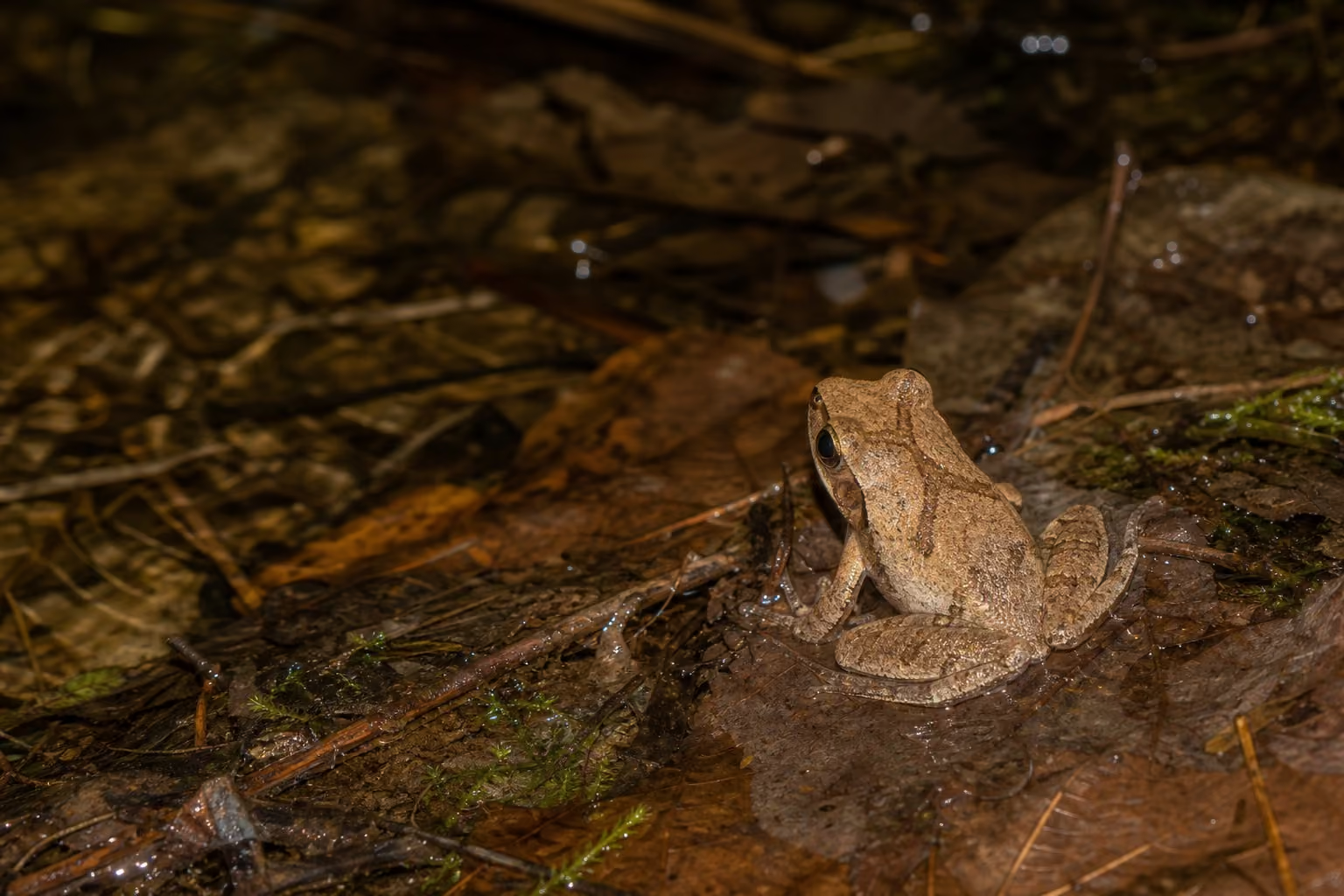
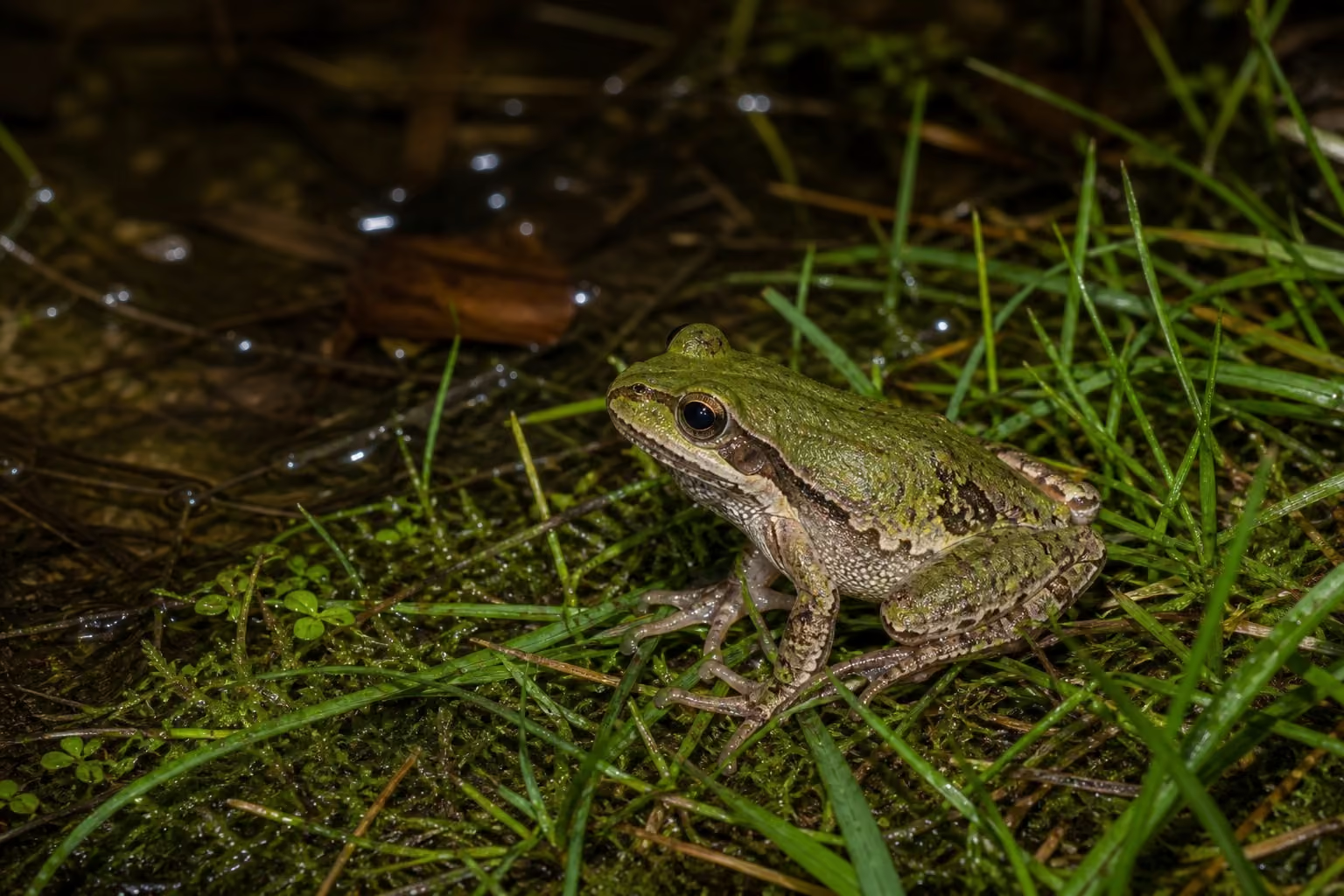
The spring peeper is a tiny treefrog whose clear, high calls mark early spring in eastern North America. A dark X-shaped mark on the back is its classic field sign.
Range

Habitat range map
Native range Occasional / Transient
NearcticNearcticNearcticNearcticNearcticNearcticNearcticNearcticNearcticNearcticNearcticNearcticNearcticNearcticNearcticNearcticNearcticNearcticNearcticNearcticNearcticNearcticNearcticNearcticNearcticNearcticNearcticNearcticNearcticNearcticNearcticNearcticNearcticNearcticNearcticNearcticNearcticNearcticNearcticNearcticNearctic

Map: Ecoregions 2017 © RESOLVE (CC BY 4.0) · Natural Earth (PD)

Details

Habitat

It ranges from eastern Canada through the eastern United States, using forest, edges, shrubland and damp suburban places. Breeding brings adults to temporary ponds, marshes and shallow pools.

Appearance

Adults are about 1.9-3.8 cm long. The body is tan to gray-brown, often with an incomplete X on the back, and the toes carry small climbing pads.

Behavior

Nocturnal by habit, males call loudly on warm rainy nights in early spring. Outside the breeding season, individuals live alone in low vegetation and leaf litter.

Feeding

Small insects, spiders, mites and flies are eaten. The frog waits on damp herbs and litter for tiny moving prey.

Reproduction

Breeding occurs in shallow water soon after thaw. Females attach small egg clusters to vegetation or submerged twigs, and tadpoles grow in fish-poor pools.

Notes

The species is common and widespread, but loss of temporary wetlands and roads between breeding sites can affect local populations. Its voice is a familiar seasonal signal.