544 Featured Specimen
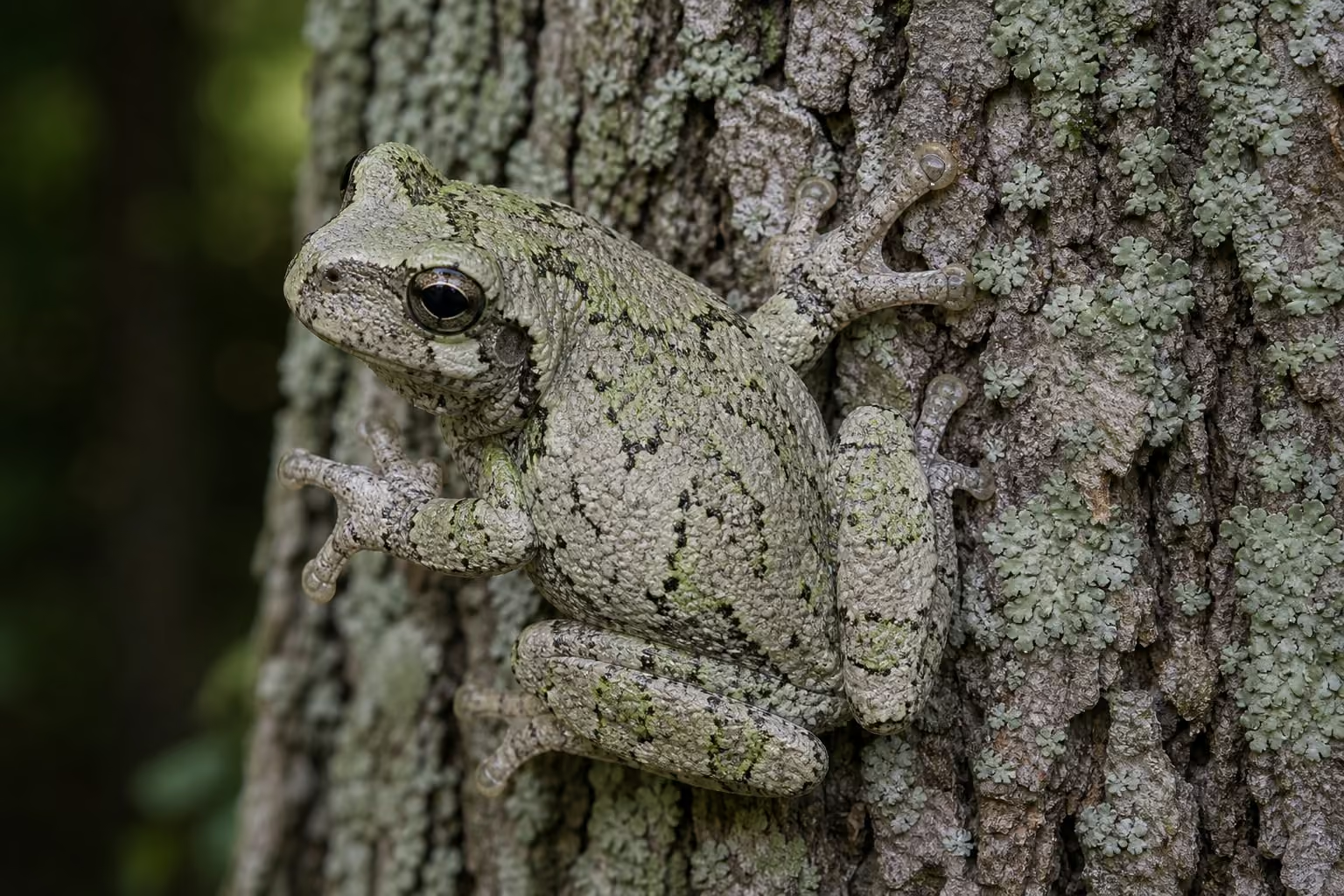
Gray treefrog

Details

Gray treefrog

Dryophytes versicolor

Size
3.2–6 cm
Diet
Carnivore
Activity
Nocturnal
Sociality
Solitary
Lifespan

The gray treefrog is an eastern North American treefrog that can shift color from gray to green to match bark and lichen. Enlarged toe pads let it climb bark, leaves and walls.
Range

Habitat range map
Native range Occasional / Transient
NearcticNearcticNearcticNearcticNearcticNearcticNearcticNearcticNearcticNearcticNearcticNearcticNearcticNearcticNearcticNearcticNearcticNearcticNearcticNearcticNearcticNearcticNearcticNearcticNearcticNearcticNearcticNearcticNearcticNearcticNearcticNearcticNearcticNearcticNearcticNearcticNearcticNearcticNearcticNearcticNearctic

Map: Ecoregions 2017 © RESOLVE (CC BY 4.0) · Natural Earth (PD)

Details

Habitat

It occurs from southeastern Canada through the eastern United States in forest, edges, wetlands, parks and gardens. Fish-free ponds and temporary pools are used for breeding.

Appearance

Adults are 3.2-6 cm long. The back can be gray, green or brown, while the inner thighs flash bright yellow to orange.

Behavior

Nocturnal by habit, it hides on bark or foliage by day. Males call on warm nights with a high, musical trill.

Feeding

Moths, flies, beetles, spiders and other small invertebrates are taken. The frog waits on vegetation and lunges at prey that comes within range.

Reproduction

Breeding runs from spring into summer around ponds and pools. Females lay small egg masses near the surface, and tadpoles transform within weeks to months.

Notes

It closely resembles Cope's gray treefrog, but voice and chromosome number separate them. It can live around people, though pesticides and wetland loss remain risks.