193 Featured Specimen
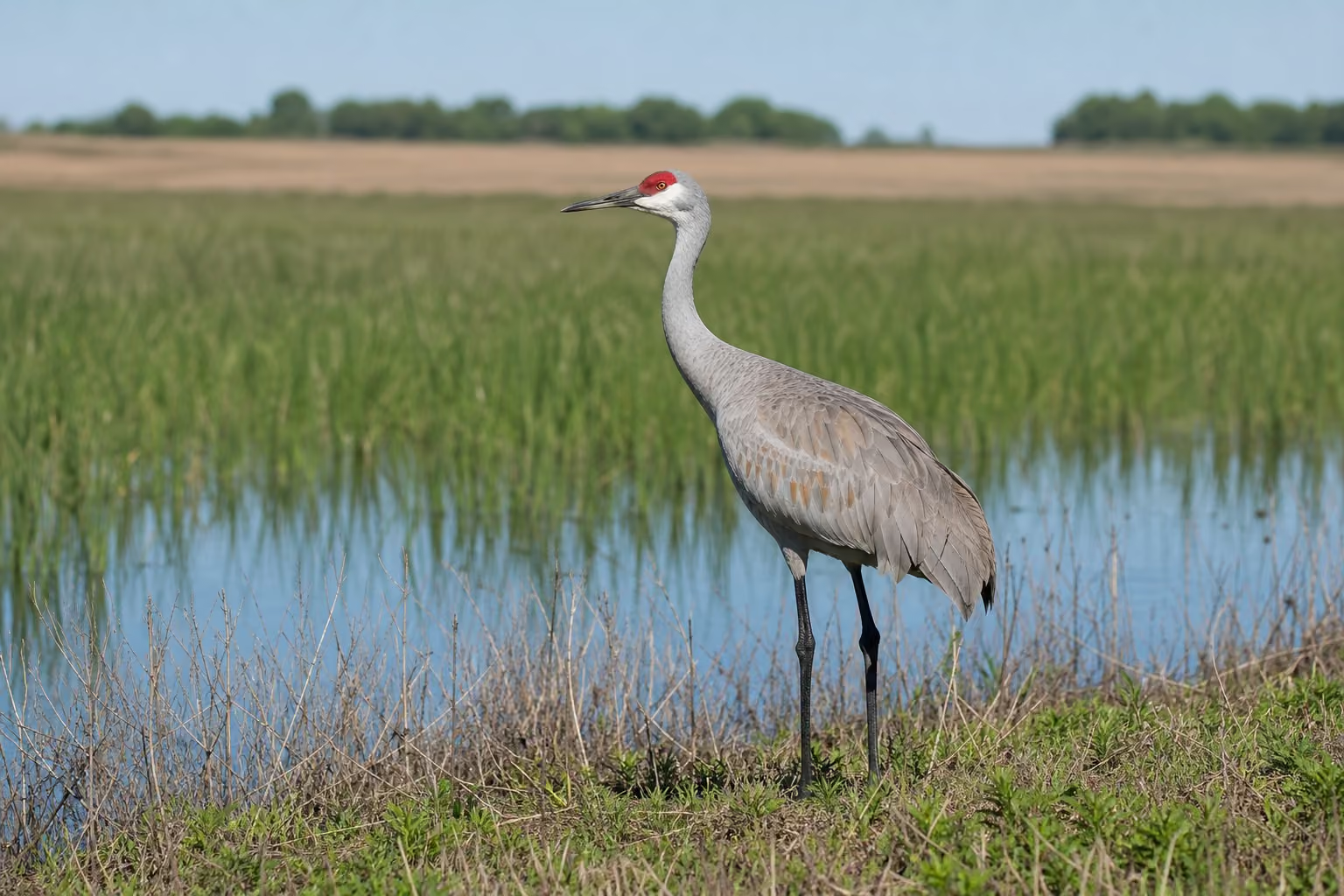
Sandhill crane

Details

Sandhill crane

Antigone canadensis

Size
Wingspan 1.7–2.3 m · 3–6.5 kg
Diet
Omnivore
Activity
Diurnal
Sociality
Herd
Lifespan
8-25 years

The sandhill crane is a large crane of North American wetlands and grasslands. Diurnal birds migrate and winter in large herds.
Range

Habitat range map
Native range Occasional / Transient
NearcticNearcticNearcticNearcticNearcticNearcticNearcticNearcticNearcticNearcticNearcticNearcticNearcticNearcticNearcticNearcticNearcticNearcticNearcticNearcticNearcticNearcticNearcticNearcticNearcticNearcticNearcticNearcticNearcticNearcticNearcticNearcticNearcticNearcticNearcticNearcticNearcticNearcticNearcticNearcticNearctic

Map: Ecoregions 2017 © RESOLVE (CC BY 4.0) · Natural Earth (PD)

Details

Habitat

It uses marshes, grasslands, shallow lakes, and farmland. Wet nesting sites and open feeding areas during migration and winter are important.

Appearance

Wingspan is about 165-230 cm and weight about 3-6.5 kg. Gray plumage, a red forehead, long neck, and long legs are typical; the neck is extended in flight.

Behavior

Active by day, it feeds in flocks and migrates in large formations. Pairs perform dancing displays and loud duets.

Feeding

It is omnivorous, eating grain, seeds, roots, insects, and small animals. It probes and pecks while walking through wetlands and fields.

Reproduction

Pairs build plant nests in wetlands and defend eggs and chicks. The young are precocial and walk with their parents.

Notes

Its status is listed as Least Concern. Local populations depend on protected wetlands and reliable stopover sites.