637 Featured Specimen
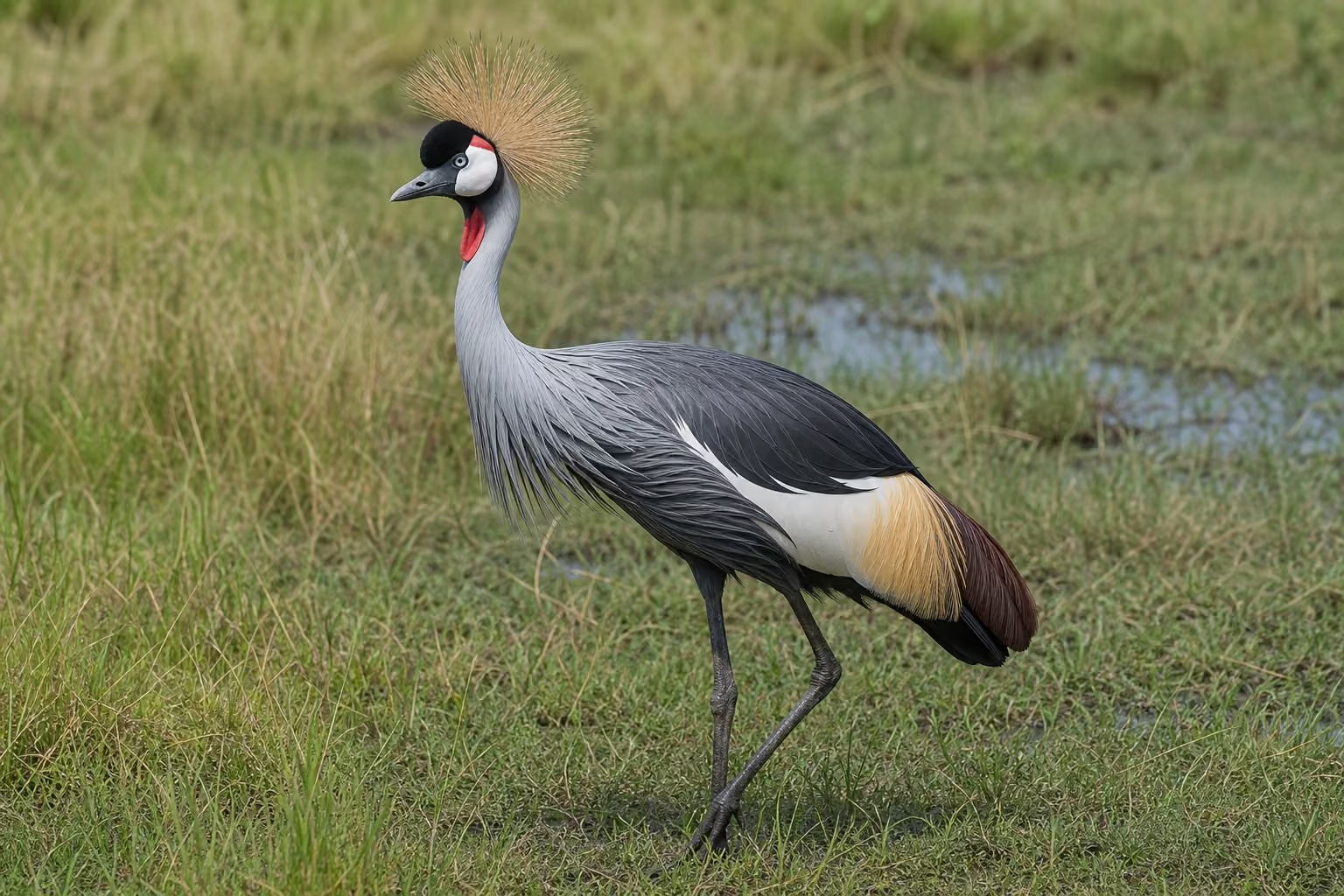
Grey crowned crane

Details

Grey crowned crane

Balearica regulorum

Size
1–1.1 m · 3–4 kg
Diet
Omnivore
Activity
Diurnal
Sociality
Pair
Lifespan

A large crane of eastern and southern African wetlands and grasslands, marked by a golden crown, white cheeks, and red throat.
Range

Habitat range map
Native range Occasional / Transient
AfrotropicalAfrotropicalAfrotropicalAfrotropical

Map: Ecoregions 2017 © RESOLVE (CC BY 4.0) · Natural Earth (PD)

Details

Habitat

Uses savannas, grasslands, wetlands, lakesides, river edges, and farmland, while nesting in well-vegetated wet places.

Appearance

It has a grey body, black-and-white wings, white cheek patches, a red throat pouch, and a fan of stiff golden crown feathers.

Behavior

Pairs or small groups walk through open habitat and perform dancing displays. They may roost in trees at night.

Feeding

It is omnivorous, eating grass seeds, grain, insects, frogs, small fish, and small reptiles.

Reproduction

Pairs build nests in wetland vegetation and defend territories. Chicks are precocial and follow their parents soon after hatching.

Notes

Wetland loss, farming pressure, and capture have driven declines, making it one of Africa's most threatened cranes.