141 Featured Specimen
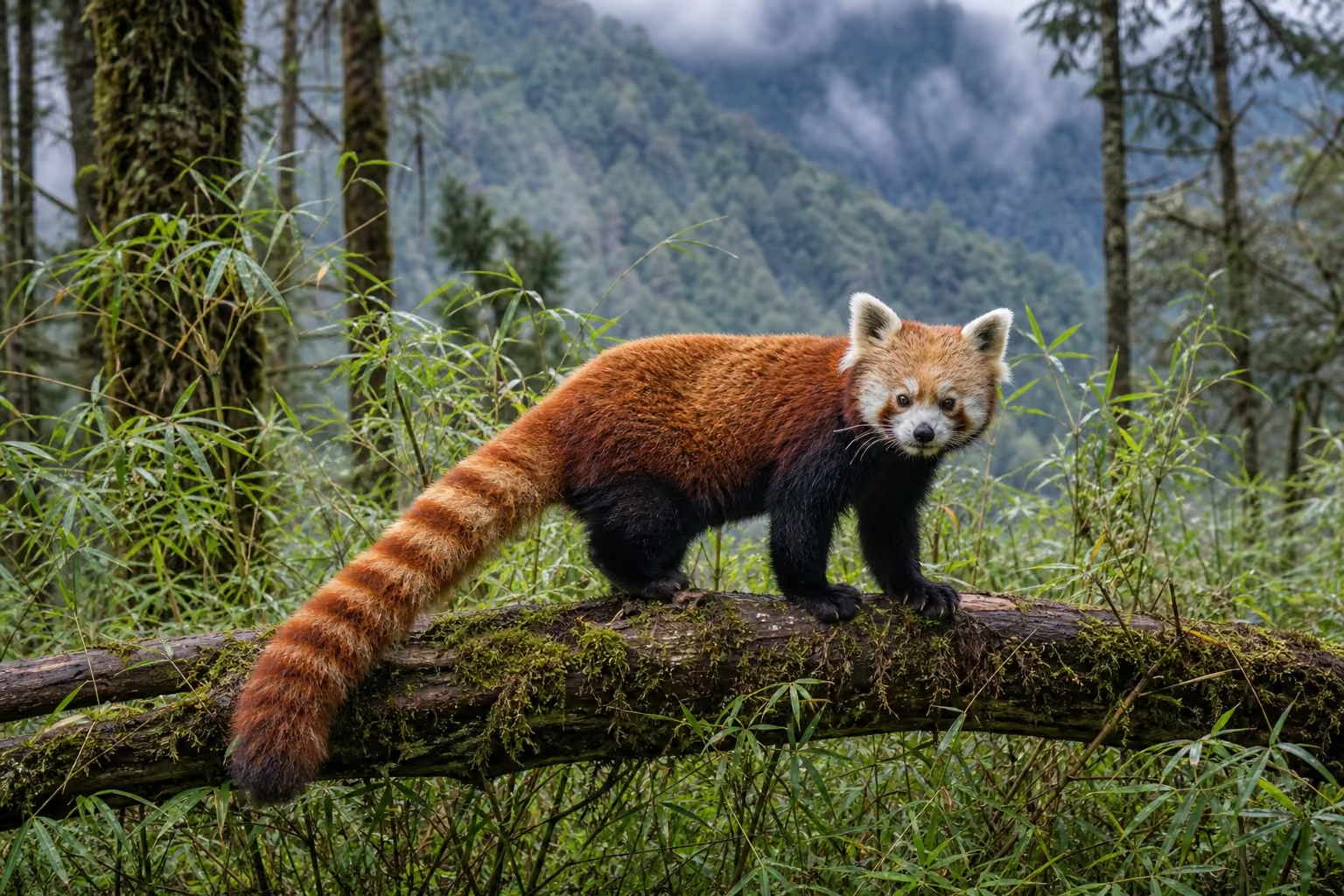
Red panda

Details

Red panda

Ailurus fulgens

Size
50–64 cm · 3–6.2 kg
Diet
Herbivore
Activity
Crepuscular
Sociality
Solitary
Lifespan
10-20 years

The red panda is a solitary mammal of Himalayan forests and mountains. Crepuscular and arboreal, it feeds mainly on bamboo.
Range

Habitat range map
Native range Occasional / Transient
PalearcticPalearcticPalearcticPalearcticPalearcticPalearcticPalearcticPalearcticPalearcticPalearcticPalearcticPalearcticPalearcticPalearcticPalearcticPalearcticPalearcticPalearcticPalearcticPalearcticPalearcticPalearcticPalearcticPalearcticIndomalayanIndomalayanIndomalayanIndomalayanIndomalayanIndomalayanIndomalayanIndomalayanIndomalayanIndomalayanIndomalayanIndomalayanIndomalayanIndomalayanIndomalayan

Map: Ecoregions 2017 © RESOLVE (CC BY 4.0) · Natural Earth (PD)

Details

Habitat

It uses cool montane forest with bamboo understory. Good habitat combines tree resting sites with bamboo on the forest floor.

Appearance

Body length is about 50-64 cm and weight about 3-6.2 kg. Reddish fur, white facial markings, a long ringed tail, and semi-retractile claws are distinctive.

Behavior

Active around dawn and dusk, it moves alone between trees and the ground. During warmer hours it often rests on branches or in cavities.

Feeding

It is herbivorous, eating mostly bamboo leaves and young stems. Fruit, nuts, and insects may supplement the diet.

Reproduction

Young are raised in tree hollows or lined nests. The mother may move them between nests and later guides them toward feeding sites.

Notes

Its status is listed as Endangered. Fragmented montane forest and changes in bamboo habitat are major threats.