795 Featured Specimen
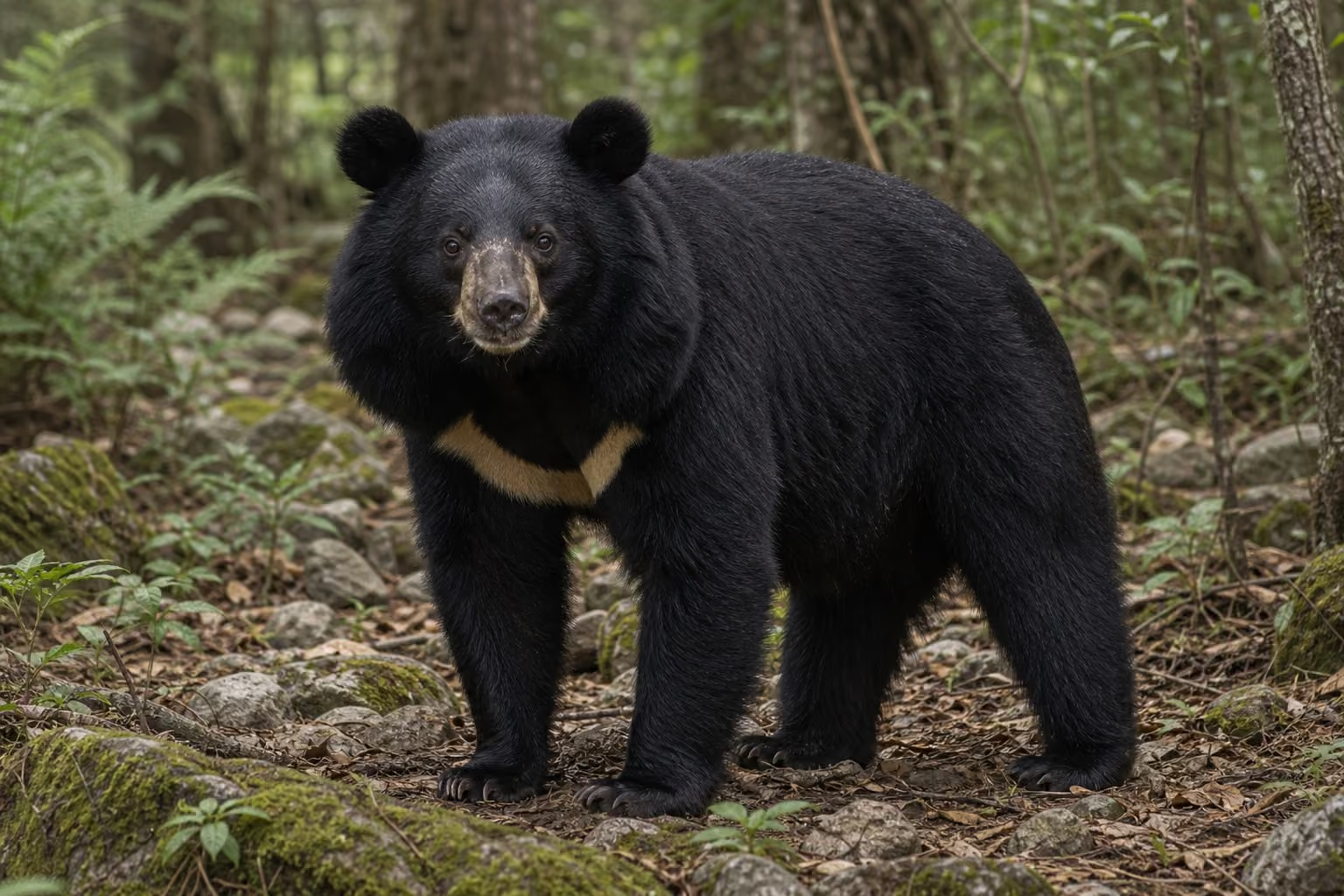
Asian black bear

Details

Asian black bear

Ursus thibetanus

Size
1.2–1.9 m · 40–200 kg
Diet
Omnivore
Activity
Nocturnal
Sociality
Solitary
Lifespan

A medium-sized bear of Asian forests, recognized by a pale crescent on the chest. In Japan it is the familiar moon bear.
Range

Habitat range map
Native range Occasional / Transient
PalearcticPalearcticPalearcticPalearcticPalearcticPalearcticPalearcticPalearcticPalearcticPalearcticPalearcticPalearcticPalearcticPalearcticPalearcticPalearcticPalearcticPalearcticPalearcticPalearcticPalearcticPalearcticPalearcticPalearcticIndomalayanIndomalayanIndomalayanIndomalayanIndomalayanIndomalayanIndomalayanIndomalayanIndomalayanIndomalayanIndomalayanIndomalayanIndomalayanIndomalayanIndomalayan

Map: Ecoregions 2017 © RESOLVE (CC BY 4.0) · Natural Earth (PD)

Details

Habitat

Asian black bears inhabit deciduous forest, evergreen forest, mountain forest, and bamboo woodland, shifting elevation with seasonal foods.

Appearance

They have black fur, rounded ears, and a white crescent-shaped chest mark. Strong claws and forelimbs make them capable climbers.

Behavior

They are mostly solitary, with activity often nocturnal or crepuscular. In cold regions they den through winter in tree cavities, caves, or rock shelters.

Feeding

They eat acorns, fruit, buds, herbs, insects, beehives, small animals, and carrion. Autumn nuts are especially important for fattening.

Reproduction

Females give birth to small cubs during winter denning. Cubs stay with the mother and learn climbing and foraging skills.

Notes

Forest loss, poaching, and conflict near settlements are key pressures, and management often has to consider local populations separately.