625 Featured Specimen
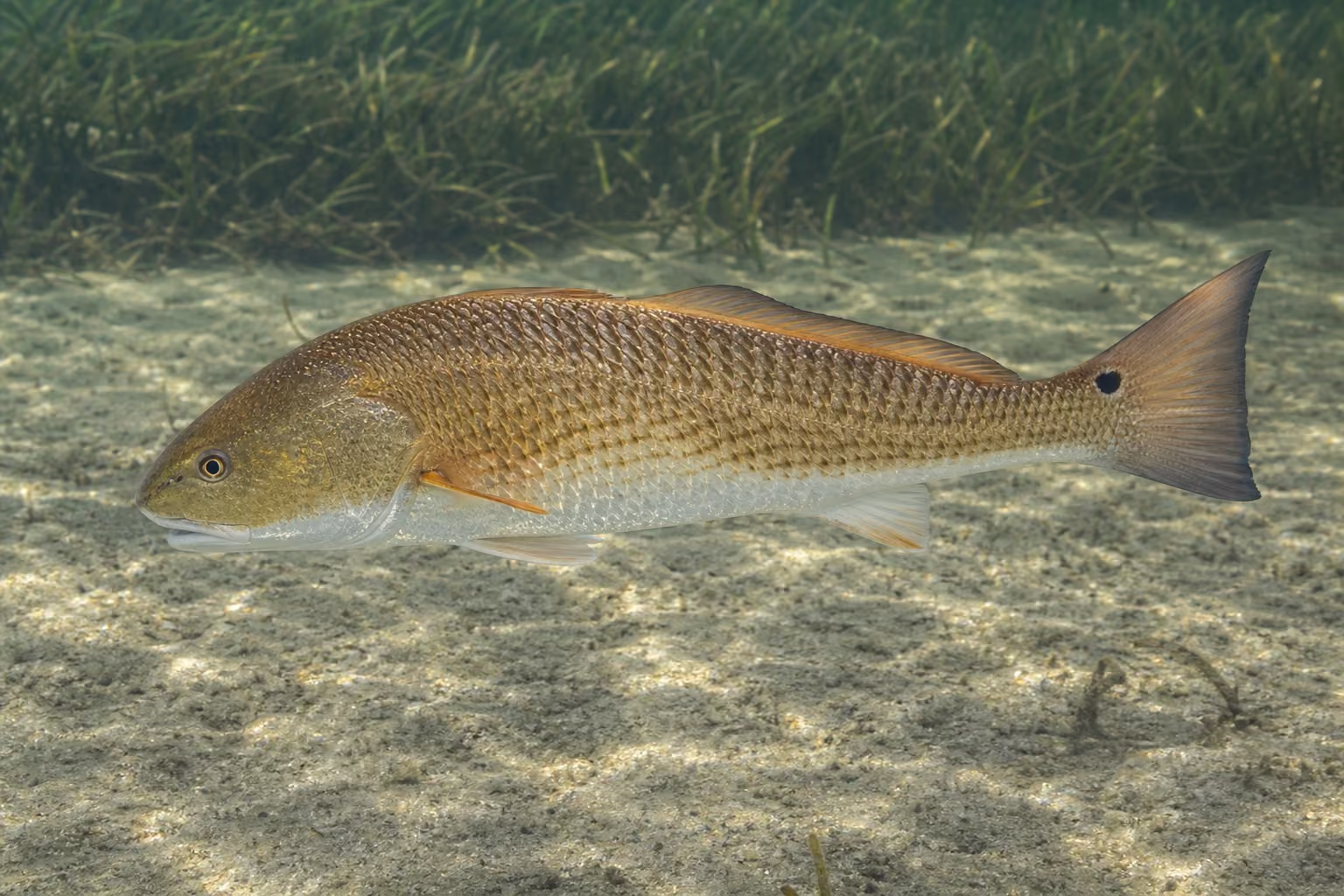
Red drum

Details

Red drum

Sciaenops ocellatus

Size
0.4–1.6 m · 1–42 kg
Diet
Carnivore
Activity
Cathemeral
Sociality
Loose group
Lifespan

A large drum of U.S. Atlantic and Gulf estuaries, known for a black tail spot and low drumming sounds during spawning.
Range

Habitat range map
Native range Occasional / Transient
Atlantic OceanAtlantic OceanAtlantic OceanAtlantic OceanAtlantic OceanNearcticNearcticNearcticNearcticNearcticNearcticNearcticNearcticNearcticNearcticNearcticNearcticNearcticNearcticNearcticNearcticNearcticNearcticNearcticNearcticNearcticNearcticNearcticNearcticNearcticNearcticNearcticNearcticNearcticNearcticNearcticNearcticNearcticNearcticNearcticNearcticNearcticNearcticNearcticNearcticNearctic

Map: Ecoregions 2017 © RESOLVE (CC BY 4.0) · Natural Earth (PD)

Details

Habitat

Uses Atlantic and Gulf coasts, estuaries, salt marshes, lagoons, and sandy coastal bottoms. Juveniles rely heavily on shallow brackish habitats.

Appearance

The body is coppery to reddish bronze, usually with one or more black spots near the tail base. The mouth points downward for bottom feeding.

Behavior

Small groups move through coasts and estuaries, while larger adults also use offshore waters. Spawning groups produce drumming sounds.

Feeding

It eats crabs, shrimp, mollusks, and small fish, often probing the bottom for crustaceans.

Reproduction

Spawning occurs near inlets and estuaries from late summer into autumn. Larvae ride tides into marshes and shallows.

Notes

Red drum is a prized recreational fish, and many regions protect large spawning adults with harvest rules.