623 Featured Specimen
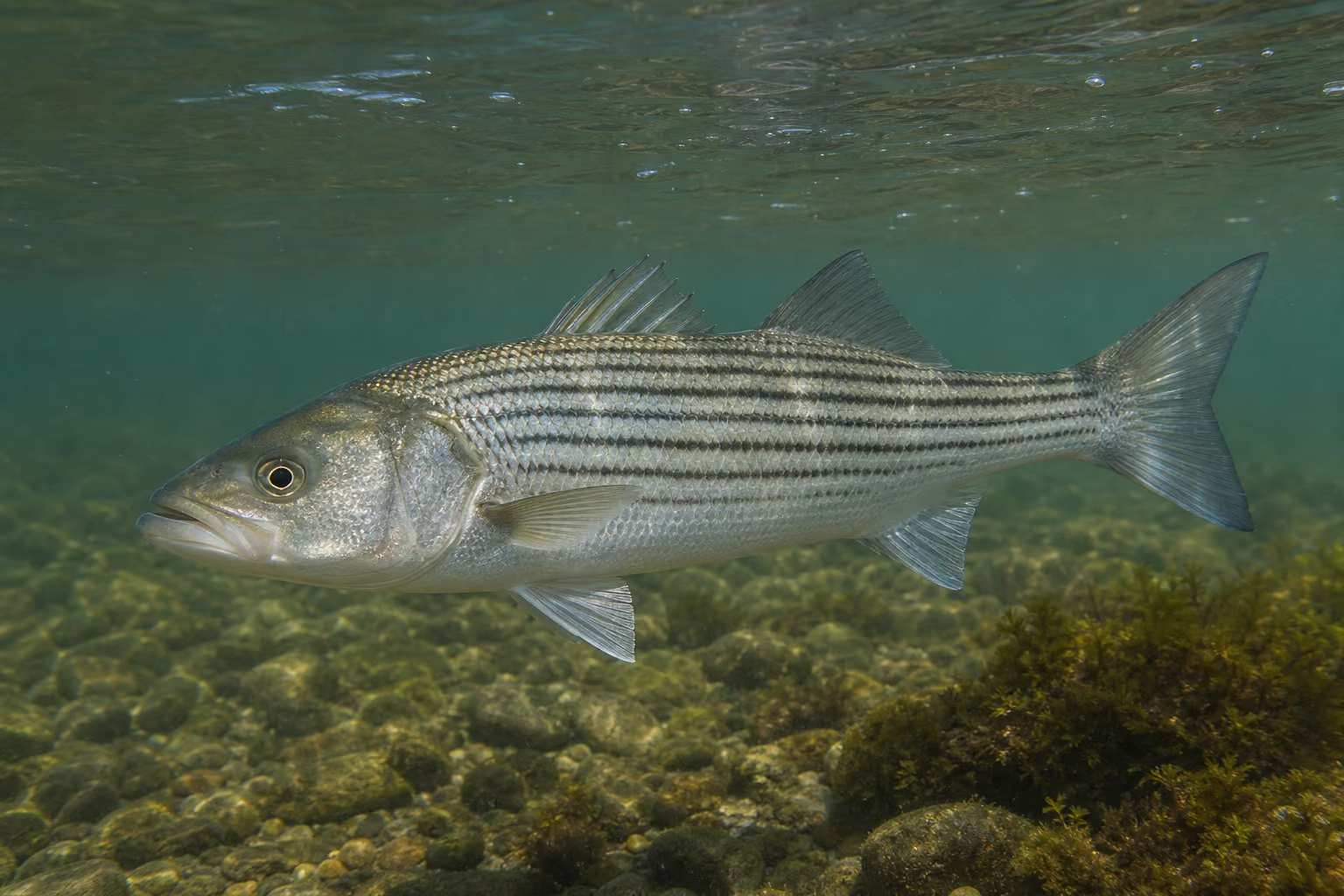
Striped bass

Details

Striped bass

Morone saxatilis

Size
0.5–2 m · 1–57 kg
Diet
Carnivore
Activity
Cathemeral
Sociality
Herd
Lifespan

A large predatory fish of Atlantic North America, moving between rivers and coasts and marked by dark stripes on silver sides.
Range

Habitat range map
Native range Occasional / Transient
Atlantic OceanAtlantic OceanAtlantic OceanAtlantic OceanAtlantic OceanNearcticNearcticNearcticNearcticNearcticNearcticNearcticNearcticNearcticNearcticNearcticNearcticNearcticNearcticNearcticNearcticNearcticNearcticNearcticNearcticNearcticNearcticNearcticNearcticNearcticNearcticNearcticNearcticNearcticNearcticNearcticNearcticNearcticNearcticNearcticNearcticNearcticNearcticNearcticNearcticNearctic

Map: Ecoregions 2017 © RESOLVE (CC BY 4.0) · Natural Earth (PD)

Details

Habitat

Ranges from the Gulf of St. Lawrence down the U.S. Atlantic coast in estuaries, bays, coasts, and rivers, with many sea-run populations.

Appearance

The body is silver-white with several dark horizontal stripes. The mouth is large, and the tail is strongly forked.

Behavior

Schools pursue small fish and move with tides, river flow, and seasonal spawning migrations.

Feeding

It eats herring, menhaden, squid, and crustaceans, sometimes herding baitfish in groups.

Reproduction

Adults spawn in freshwater or brackish rivers in spring. Eggs drift with current as they develop.

Notes

Striped bass recovered in some regions after overfishing, but harvest rules and spawning-river water quality remain important.