620 Featured Specimen
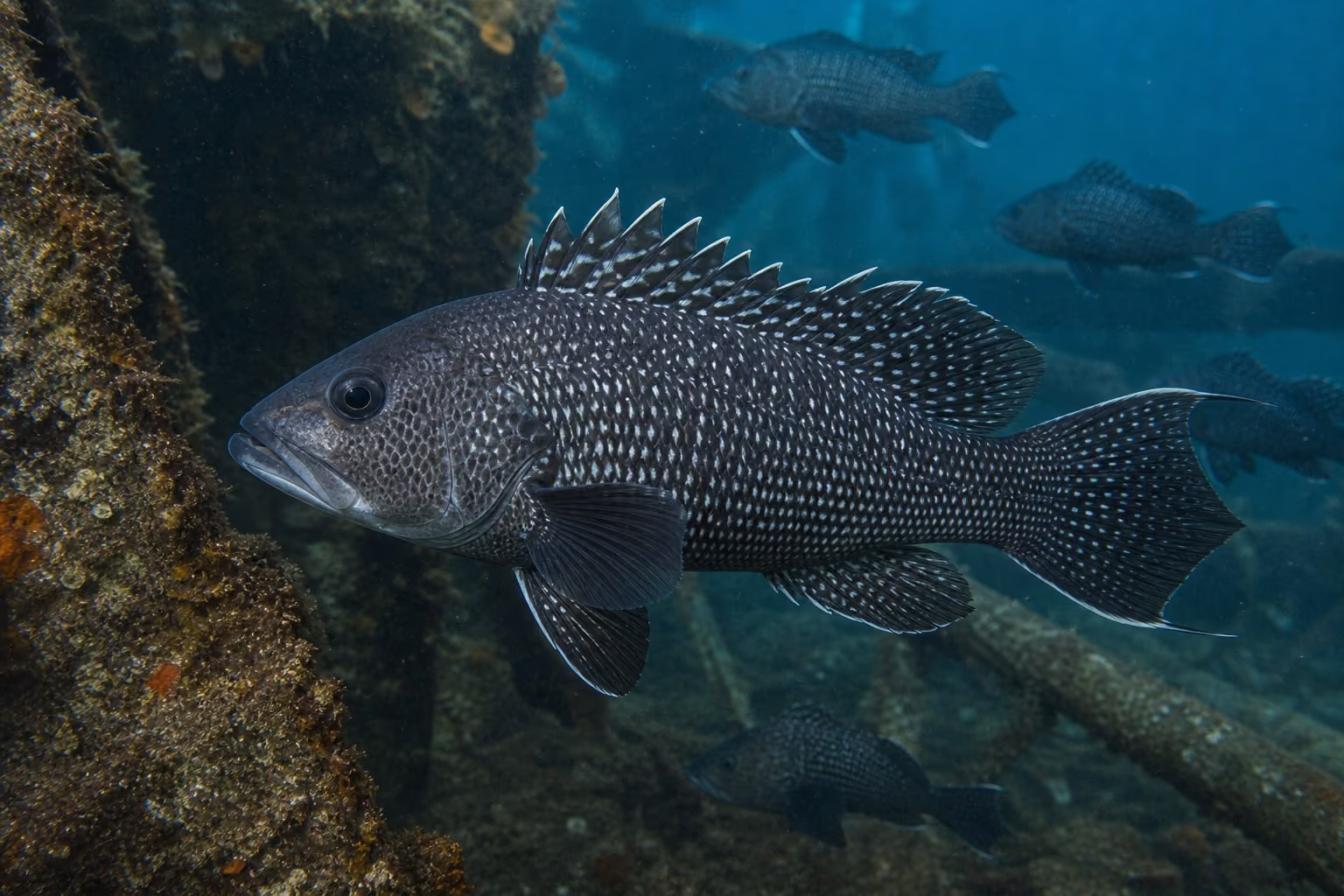
Black sea bass

Details

Black sea bass

Centropristis striata

Size
20–66 cm · 0.2–4.3 kg
Diet
Carnivore
Activity
Diurnal
Sociality
Loose group
Lifespan

A reef-associated serranid of the U.S. Atlantic coast, popular with anglers and capable of changing from female to male.
Range

Habitat range map
Native range Occasional / Transient
Atlantic OceanAtlantic OceanAtlantic OceanAtlantic OceanAtlantic OceanNearcticNearcticNearcticNearcticNearcticNearcticNearcticNearcticNearcticNearcticNearcticNearcticNearcticNearcticNearcticNearcticNearcticNearcticNearcticNearcticNearcticNearcticNearcticNearcticNearcticNearcticNearcticNearcticNearcticNearcticNearcticNearcticNearcticNearcticNearcticNearcticNearcticNearcticNearcticNearcticNearctic

Map: Ecoregions 2017 © RESOLVE (CC BY 4.0) · Natural Earth (PD)

Details

Habitat

Lives along the eastern United States from coastal waters to the shelf, especially around reefs, oyster beds, wrecks, and artificial structures.

Appearance

The body is dark gray to black, sometimes with blue iridescence on the scales. Large males develop a higher head and extended dorsal fin rays.

Behavior

It stays close to structure, feeds in small groups, and shifts between inshore and offshore waters seasonally.

Feeding

It eats crabs, shrimp, mollusks, small fish, and squid, searching around reef crevices and the bottom.

Reproduction

Spawning occurs from spring into summer. The species is known for sex change from female to male within populations.

Notes

Black sea bass supports commercial and recreational fisheries on the U.S. Atlantic coast and is managed with harvest regulations.