223 Featured Specimen
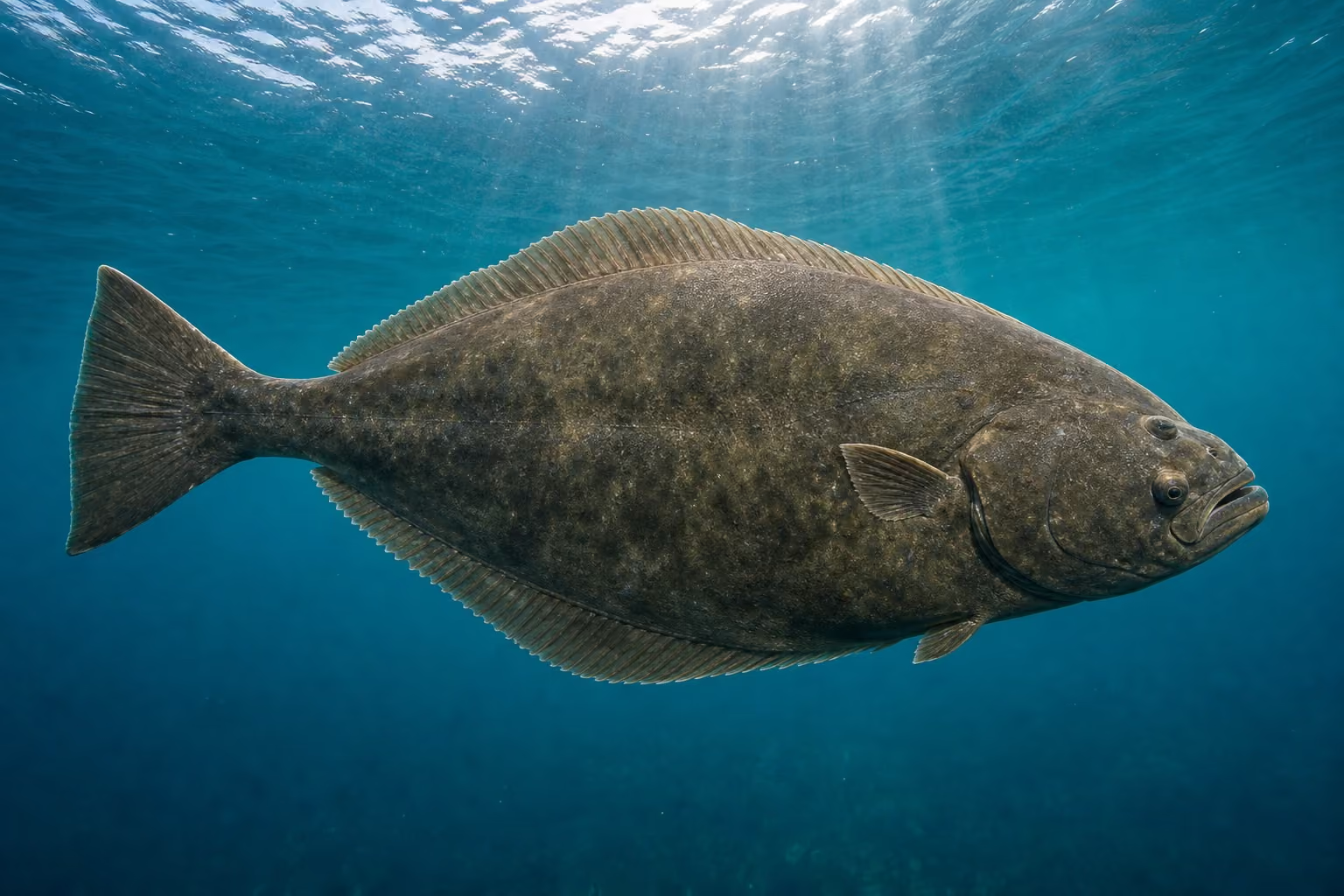
Pacific halibut

Details

Pacific halibut

Hippoglossus stenolepis

Size
0.8–2.5 m · 10–220 kg
Diet
Carnivore
Activity
Cathemeral
Sociality
Loose group
Lifespan
5-20 years

The Pacific halibut is a large flatfish of the North Pacific seafloor. Active across day and night, it hides on the bottom and takes fish and crustaceans.
Range

Habitat range map
Native range Occasional / Transient
Pacific OceanPacific OceanPacific Ocean

Map: Ecoregions 2017 © RESOLVE (CC BY 4.0) · Natural Earth (PD)

Details

Habitat

It uses cold continental shelves, slopes, and sandy or muddy bottoms in the Pacific. Depth shifts with age and season, but life remains close to the seafloor.

Appearance

Length is about 80-250 cm and weight about 10-220 kg. The flattened body has both eyes on one side, with a dark mottled upper surface that blends into the bottom.

Behavior

It often lies on the seabed but can travel long distances when conditions change. Individuals are solitary to loosely dispersed across broad bottom habitats.

Feeding

It is carnivorous, eating fish, crabs, shrimp, and squid. From the bottom it opens the mouth quickly to suck in nearby prey.

Reproduction

Spawning occurs in deeper water from winter into spring. Eggs and larvae drift in the sea before young settle to bottom life.

Notes

Its status is listed as Least Concern. It is an important fishery species, so management is central to maintaining populations with large adults.