586 Featured Specimen
Common sole

Details

Common sole

Solea solea

Size
25–70 cm · 0.2–3 kg
Diet
Carnivore
Activity
Nocturnal
Sociality
Solitary
Lifespan

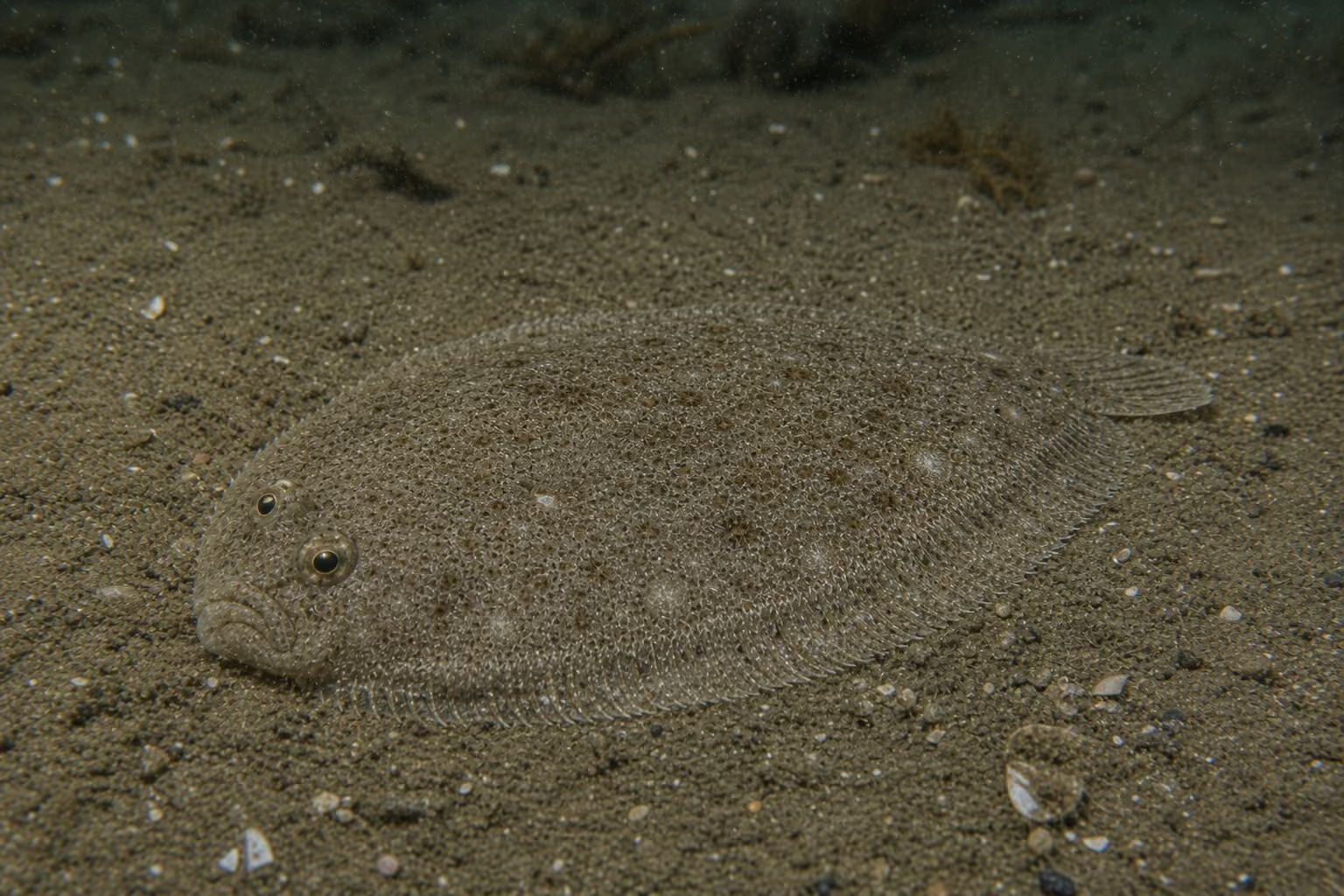
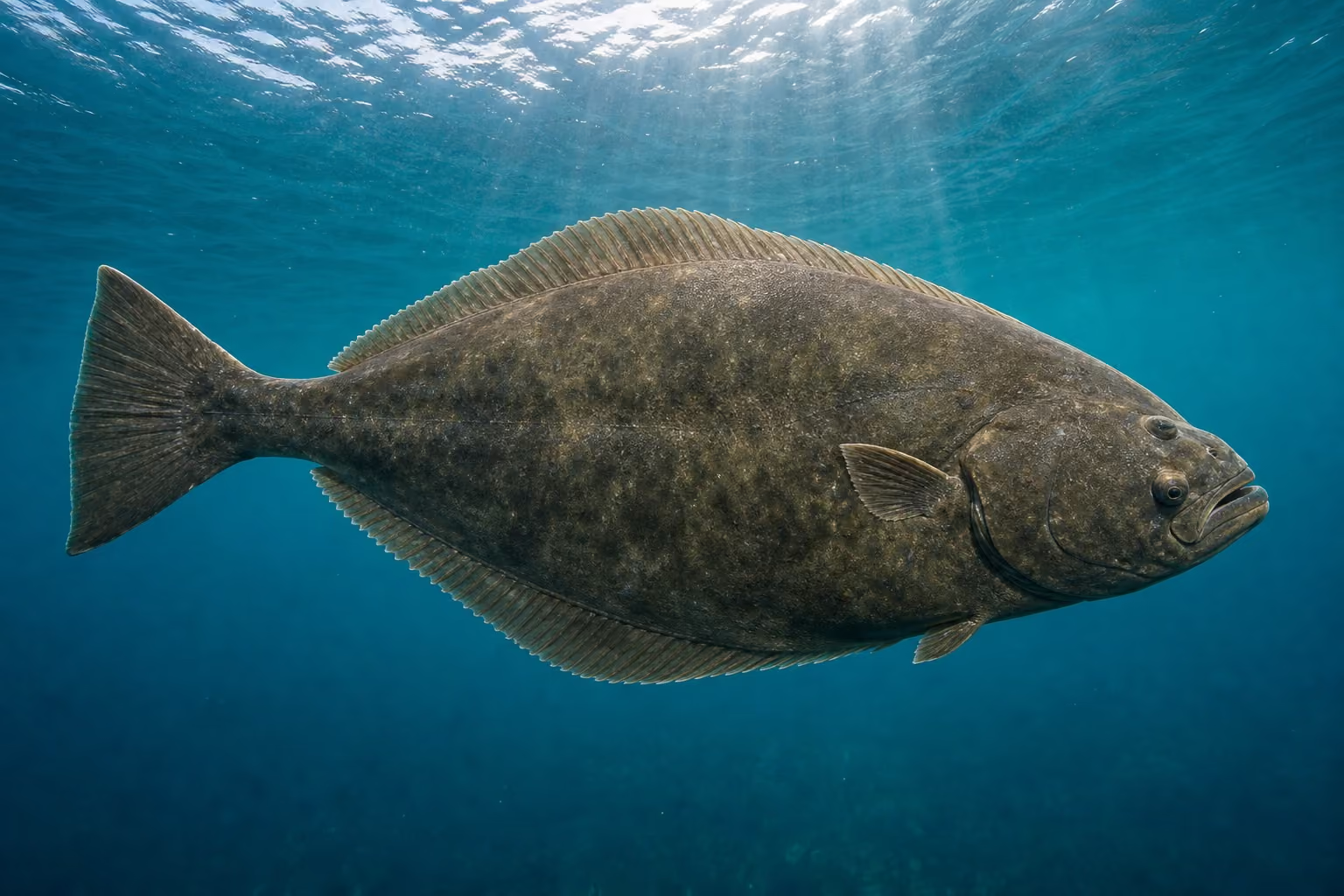
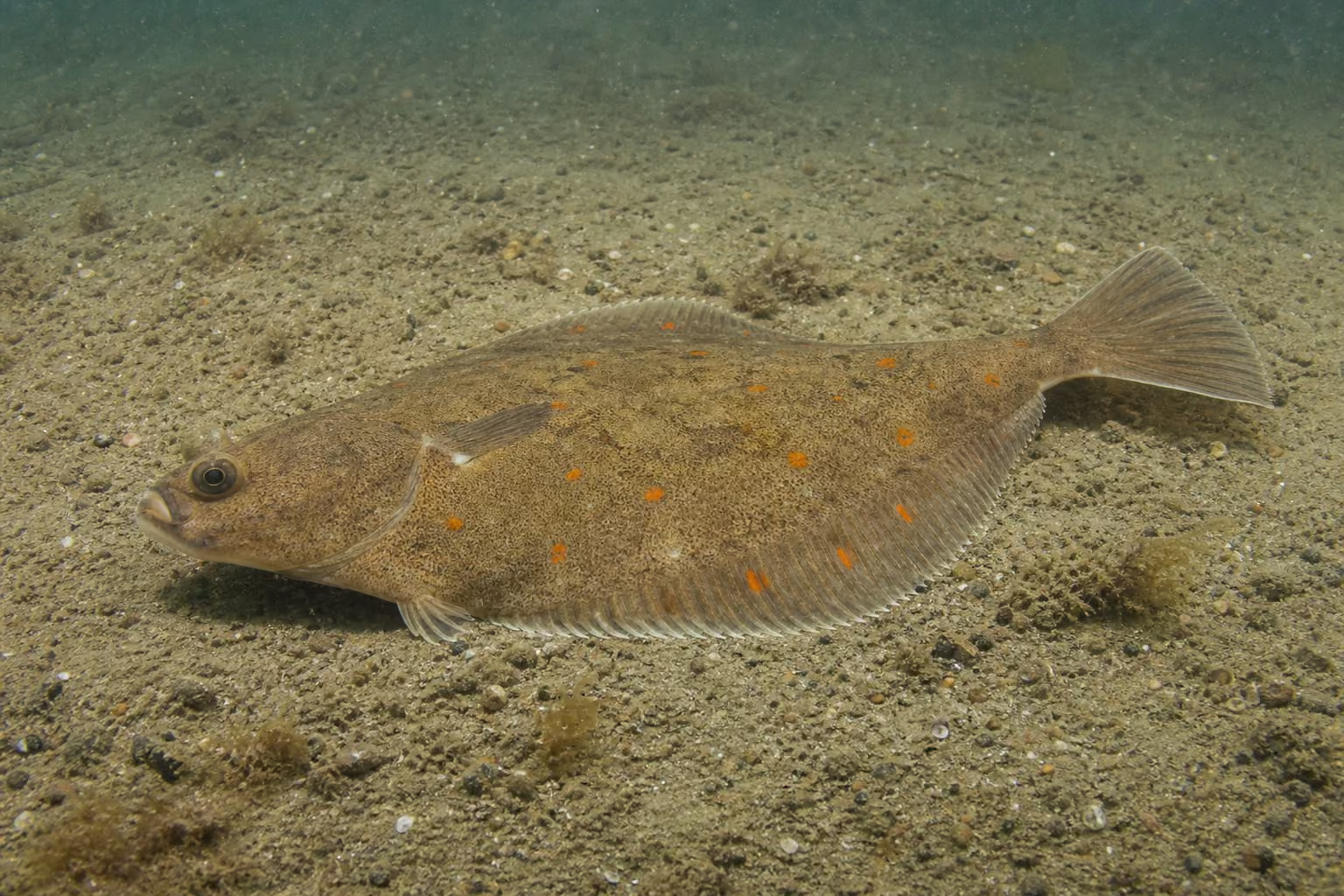
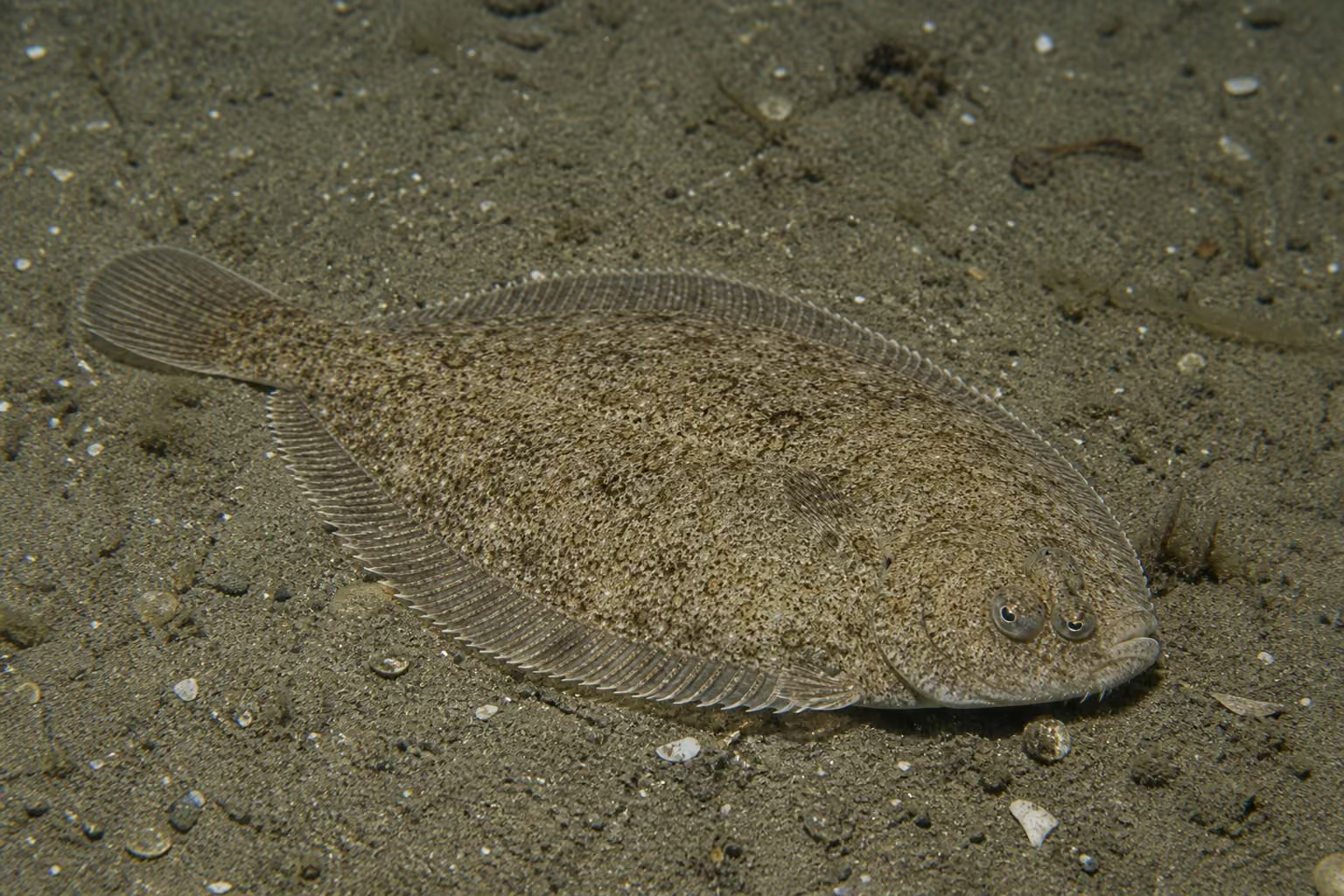
A flat bottom fish of eastern Atlantic sand and mud. Both eyes lie on one side, and the fish rests camouflaged on the seabed.
Range

Habitat range map
Native range Occasional / Transient
Atlantic OceanAtlantic OceanAtlantic OceanAtlantic OceanAtlantic OceanPalearcticPalearcticPalearcticPalearcticPalearcticPalearcticPalearcticPalearcticPalearcticPalearcticPalearcticPalearcticPalearcticPalearcticPalearcticPalearcticPalearcticPalearcticPalearcticPalearcticPalearcticPalearcticPalearcticPalearctic

Map: Ecoregions 2017 © RESOLVE (CC BY 4.0) · Natural Earth (PD)

Details

Habitat

Lives on shallow sandy and muddy bottoms in the North Sea, Mediterranean, and eastern Atlantic. Juveniles use estuaries and sheltered shallows.

Appearance

The body is oval and flattened, with both eyes on the right side. The upper surface is brown and finely mottled to match sediment.

Behavior

It rests buried or flattened on the bottom by day, then moves at night to search for food.

Feeding

It eats worms, small crustaceans, young bivalves, and other bottom invertebrates from soft sediments.

Reproduction

Adults release eggs into open water. Larvae hatch symmetrical, then one eye migrates as they settle into bottom life.

Notes

Known commercially as Dover sole, it is highly valued as seafood. Trawl fisheries are managed through stock assessments.