012 Featured Specimen
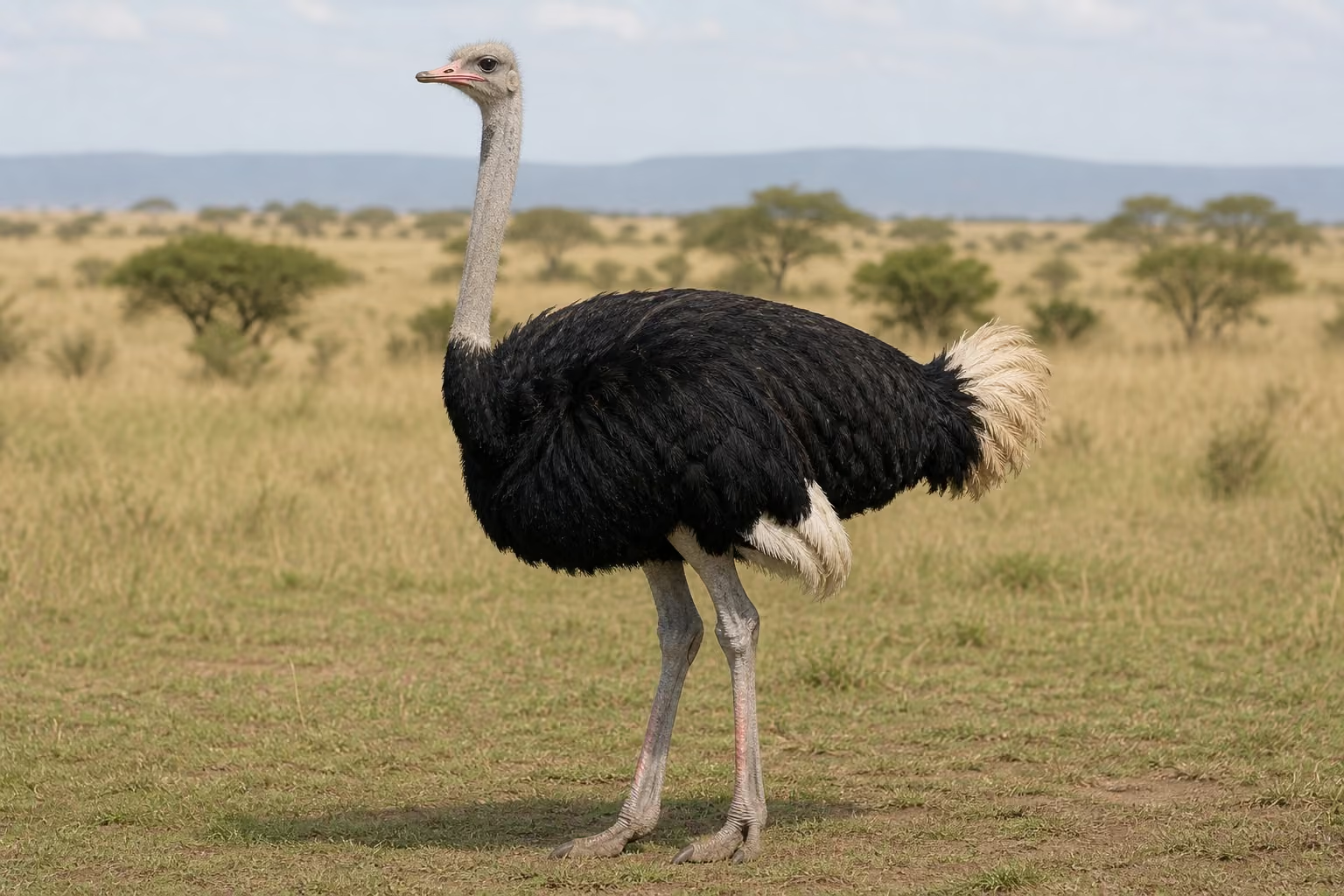
Common ostrich

Details

Common ostrich

Struthio camelus

Size
Height 2.1–2.8 m · 90–150 kg
Diet
Omnivore
Activity
Diurnal
Sociality
Herd
Lifespan
30–40 years

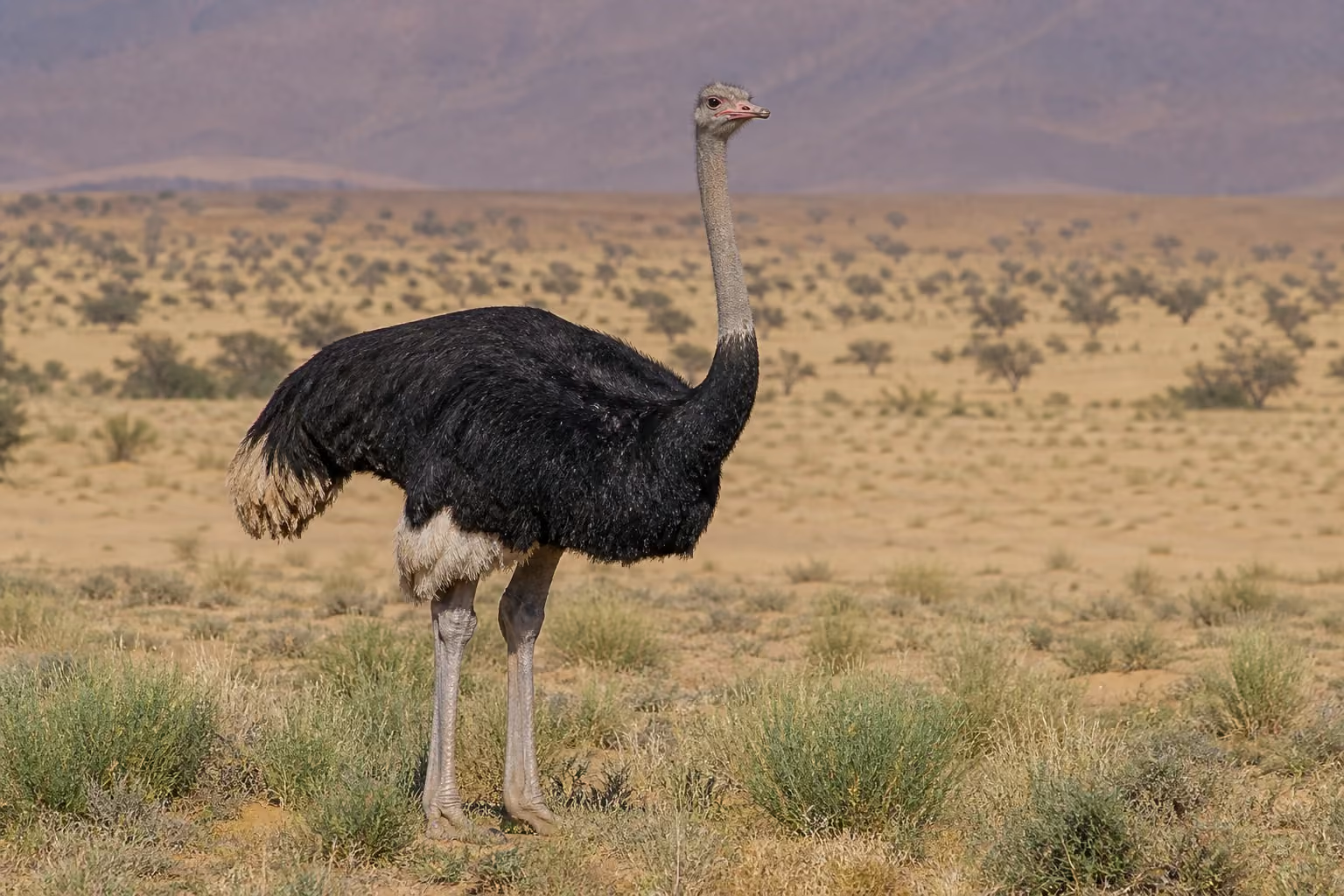
The common ostrich is the largest living bird, built for speed rather than flight. Its small wings help with balance and display while its long legs carry it across open African country.
Range

Habitat range map
Native range Occasional / Transient

Map: Ecoregions 2017 © RESOLVE (CC BY 4.0) · Natural Earth (PD)

Details

Habitat

It lives in African savannas, dry grasslands, and semi-deserts. Open terrain suits its watchful lifestyle, and it can use arid areas where food and water are scattered.

Appearance

Adults stand about 210-280 cm high and weigh roughly 90-150 kg. Males are mostly black with white wing and tail feathers, while females are grey-brown. The bare legs end in two toes, with the large inner claw adapted for running.

Behavior

Diurnal and usually gregarious, ostriches feed while moving in small parties or larger flocks. They rely on keen eyesight and rapid running to escape danger. Breeding males display with spread wings, booming calls, and dancing movements.

Feeding

Omnivorous, it eats grasses, seeds, fruit, roots, flowers, insects, and occasional small vertebrates. Lacking teeth, it swallows stones that help grind tough plant material in the gizzard.

Reproduction

A male scrapes a shallow nest in the ground, where several females may lay their large eggs. The dominant female and the male share incubation, which lasts about six weeks. Chicks walk soon after hatching and are guarded in groups.

Notes

Listed as Least Concern, the species is still locally affected by hunting, egg collection, and habitat change. Ostriches have long been used for feathers, leather, meat, and are now farmed in many regions.