061 Featured Specimen
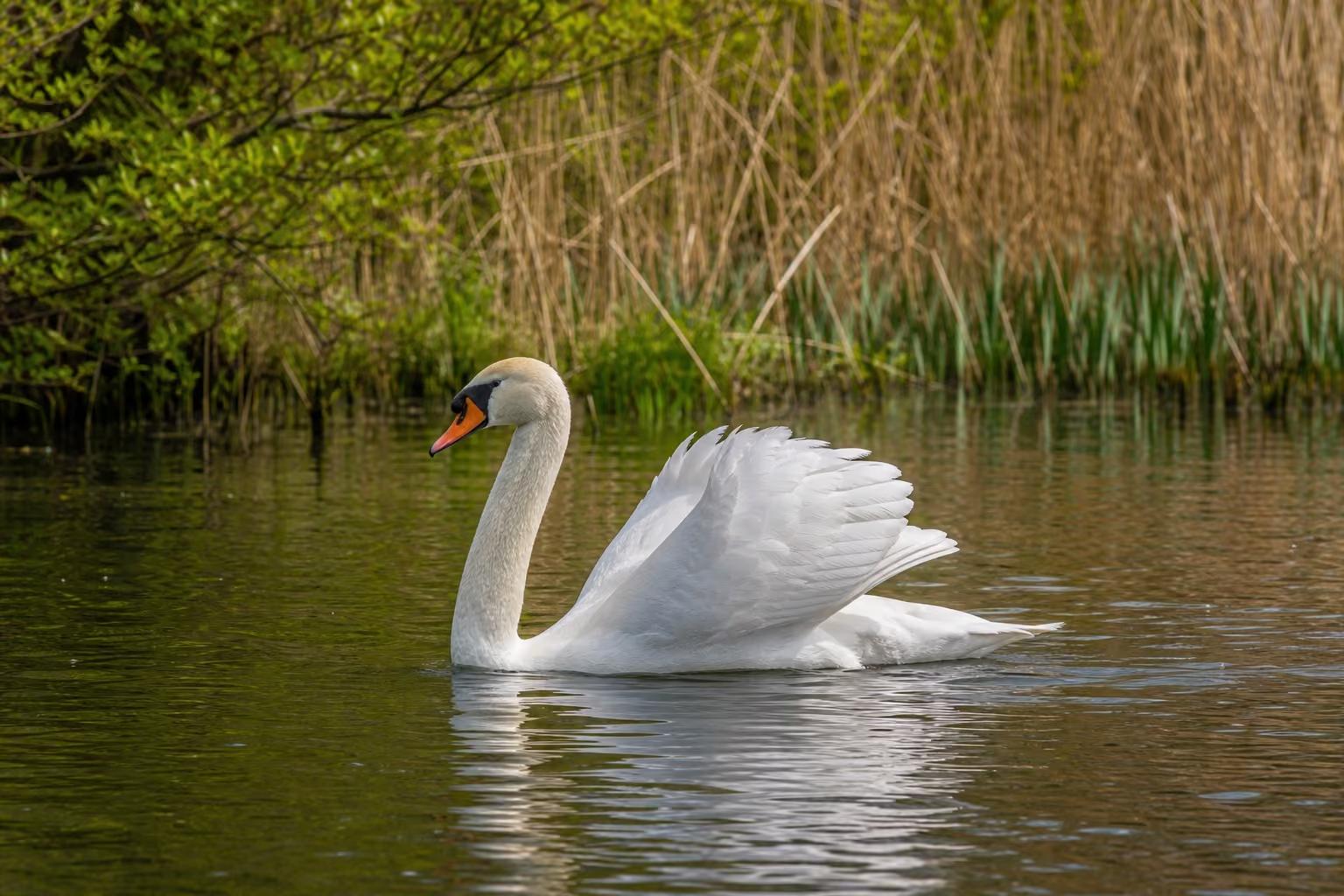
Mute swan

Details

Mute swan

Cygnus olor

Size
Wingspan 2–2.4 m · 7–14 kg
Diet
Herbivore
Activity
Diurnal
Sociality
Pair
Lifespan
Several years to decades

A large, all-white waterbird instantly known by its orange bill and the black knob at its base. Graceful on the water yet fiercely territorial when breeding, it threatens rivals with arched neck and half-raised wings. Despite the name "mute," it grunts, hisses, and snorts.
Range

Habitat range map
Native range Occasional / Transient
PalearcticPalearcticPalearcticPalearcticPalearcticPalearcticPalearcticPalearcticPalearcticPalearcticPalearcticPalearcticPalearcticPalearcticPalearcticPalearcticPalearcticPalearcticPalearcticPalearcticPalearcticPalearcticPalearcticPalearctic

Map: Ecoregions 2017 © RESOLVE (CC BY 4.0) · Natural Earth (PD)

Details

Habitat

Native across the Palearctic from Europe into central Asia, it favours fresh water: lakes, lagoons, and slow-flowing rivers. It also frequents coasts and urban ponds, with introduced, feral populations established in North America, Japan, and elsewhere.

Appearance

The plumage is pure white, the bill bright orange, and a black fleshy knob sits at its base, larger in males than females. A big swan, it spans 200-240 cm across the wings and weighs 7-14 kg. Cygnets hatch in grey or buff down and acquire white feathers by about a year old.

Behavior

Active by day, it lives in pairs or family groups and is strongly territorial in the breeding season, driving off intruders with its wings half-raised in a posture known as busking. Its wingbeats produce a distinctive throbbing hum audible at a distance.

Feeding

A plant-eater, it reaches submerged vegetation with its long neck and also grazes on waterside grasses. It will up-end and dredge the bottom to pull up roots and shoots.

Reproduction

It builds a large mound of reeds and water plants at the waterside and lays in spring, a clutch of several to about ten eggs incubated mainly by the female for roughly 36 days. Both parents guard the cygnets, which may ride on a parent's back when tired, and birds mature at three to four years.

Notes

Though not of major conservation concern, introduced birds are regarded as invasive in some regions. The species is steeped in human tradition: English law long made unmarked swans property of the Crown, and it is the national bird of Denmark.