612 Featured Specimen
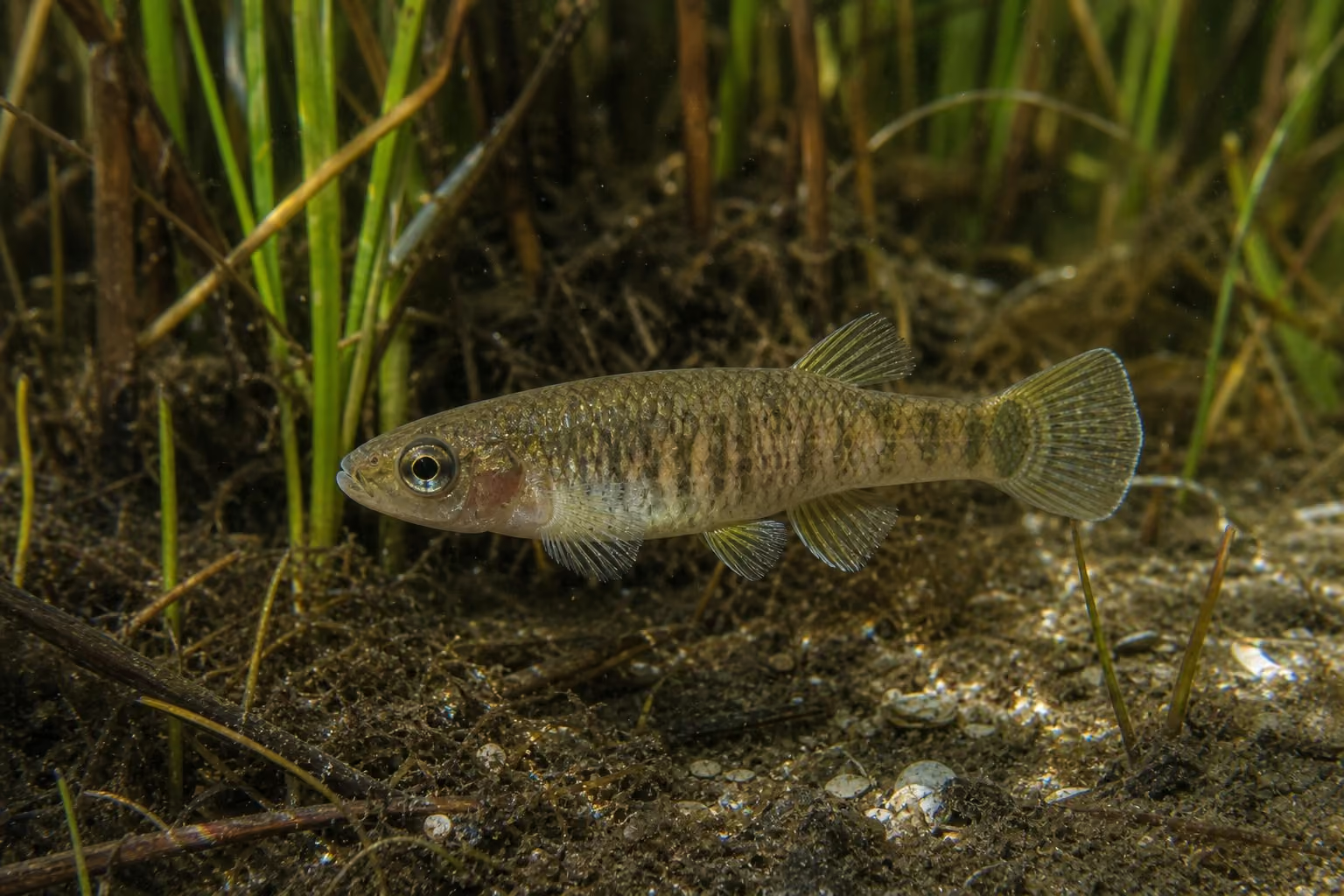
Mummichog

Details

Mummichog

Fundulus heteroclitus

Size
5–15 cm · 2–35 g
Diet
Omnivore
Activity
Diurnal
Sociality
Loose group
Lifespan

A small killifish of North American Atlantic salt marshes, famous for tolerating harsh tidal pools and estuaries.
Range

Habitat range map
Native range Occasional / Transient
Atlantic OceanAtlantic OceanAtlantic OceanAtlantic OceanAtlantic OceanNearcticNearcticNearcticNearcticNearcticNearcticNearcticNearcticNearcticNearcticNearcticNearcticNearcticNearcticNearcticNearcticNearcticNearcticNearcticNearcticNearcticNearcticNearcticNearcticNearcticNearcticNearcticNearcticNearcticNearcticNearcticNearcticNearcticNearcticNearcticNearcticNearcticNearcticNearcticNearcticNearctic

Map: Ecoregions 2017 © RESOLVE (CC BY 4.0) · Natural Earth (PD)

Details

Habitat

Ranges from eastern Canada down the U.S. Atlantic coast in salt marshes, estuaries, tide pools, and brackish creeks with variable salinity and temperature.

Appearance

The body is small and stout, brown to olive. Breeding males may show yellow and blue tones with stronger side bars.

Behavior

Small groups move through shallow marsh channels and remain in tide pools at low tide, tolerating low oxygen and high salinity.

Feeding

It is omnivorous, eating algae, detritus, small crustaceans, insects, and fish eggs as tides change feeding access.

Reproduction

Eggs are laid around marsh plants or shells on high tides. They can endure exposed periods and hatch with later tides.

Notes

Mummichogs are used in toxicology and spaceflight research, and they link marsh invertebrates to small predators and birds.