081 Featured Specimen
Atlantic cod

Details

Atlantic cod

Gadus morhua

Size
0.6–1.5 m · 2–40 kg
Diet
Carnivore
Activity
Cathemeral
Sociality
Loose group
Lifespan
Varies by species and environment

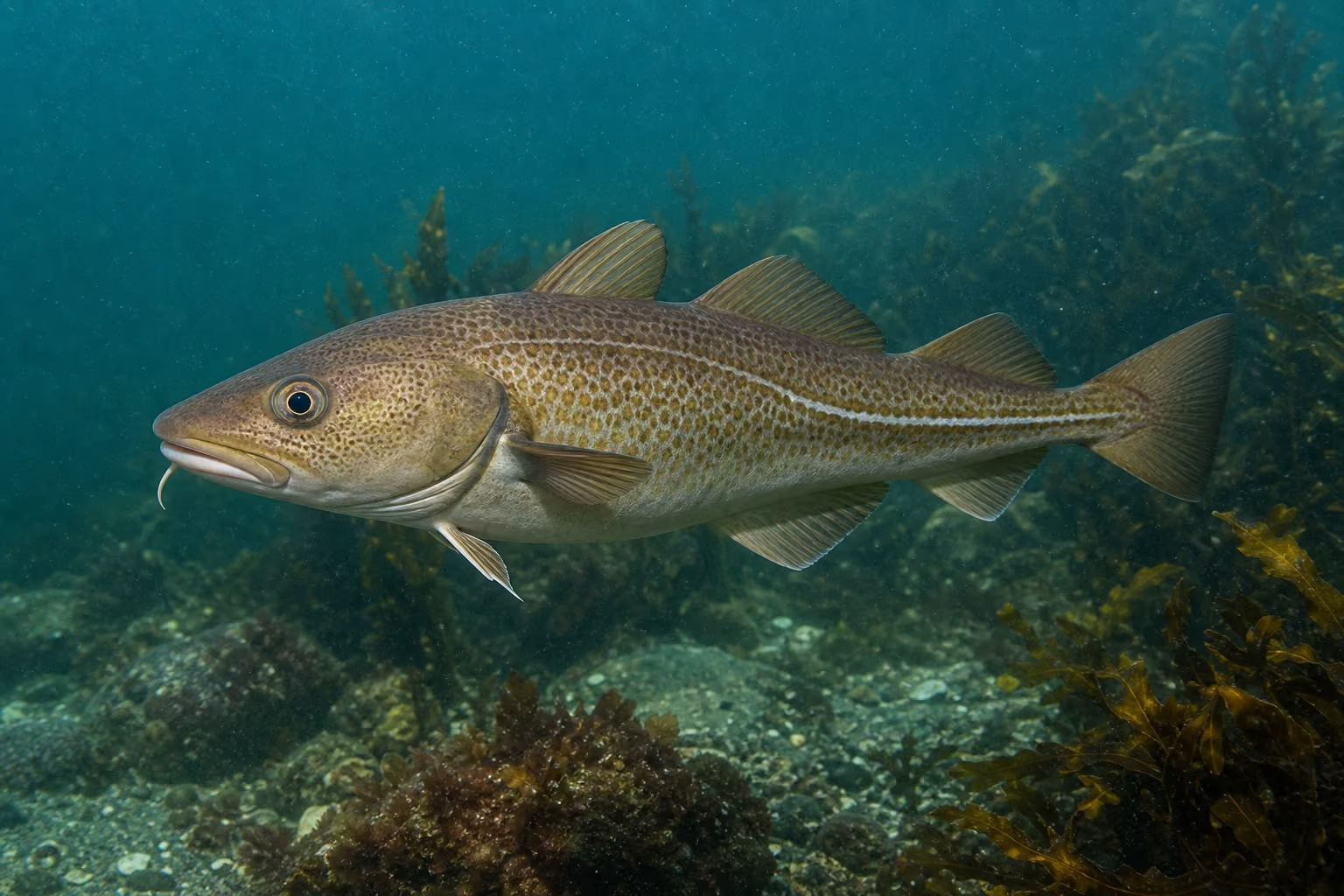
A large, shoaling groundfish of the North Atlantic shelf, recognised by the single barbel beneath its chin and a pale, conspicuous lateral line. A keystone predator of cold seas, it has shaped human history as one of the world's great commercial fisheries.
Range

Habitat range map
Native range Occasional / Transient
Atlantic OceanAtlantic OceanAtlantic OceanAtlantic OceanAtlantic OceanPalearcticPalearcticPalearcticPalearcticPalearcticPalearcticPalearcticPalearcticPalearcticPalearcticPalearcticPalearcticPalearcticPalearcticPalearcticPalearcticPalearcticPalearcticPalearcticPalearcticPalearcticPalearcticPalearcticPalearcticNearcticNearcticNearcticNearcticNearcticNearcticNearcticNearcticNearcticNearcticNearcticNearcticNearcticNearcticNearcticNearcticNearcticNearcticNearcticNearcticNearcticNearcticNearcticNearcticNearcticNearcticNearcticNearcticNearcticNearcticNearcticNearcticNearcticNearcticNearcticNearcticNearcticNearcticNearcticNearcticNearctic

Map: Ecoregions 2017 © RESOLVE (CC BY 4.0) · Natural Earth (PD)

Details

Habitat

In the western Atlantic it ranges from Cape Hatteras, North Carolina, north to Greenland and the Labrador Sea; in the east, from the Bay of Biscay to the Arctic Ocean, including the North Sea, Baltic and waters around Iceland. It keeps near the cold seabed of coasts and continental shelves, down to about 300 metres.

Appearance

It grows roughly 60 to 150 cm long and 2 to 40 kg, with larger individuals on record. The body is brown to green with spots on the back, shading to silvery white below. A single chin barbel and a strikingly pale lateral line make it easy to identify.

Behavior

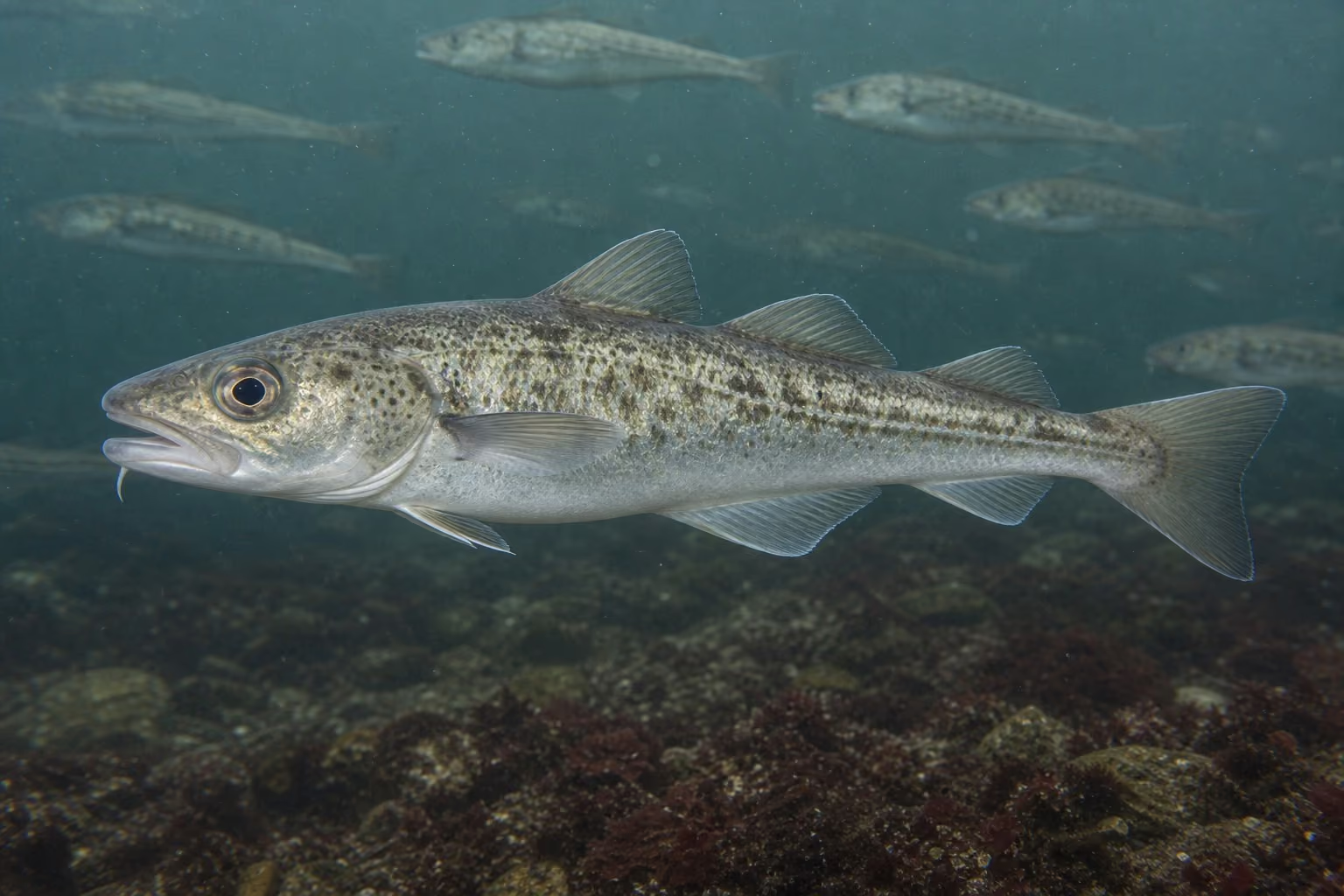
Cod gather in large, size-structured aggregations, with bigger fish leading the migrations. They shift up and down the water column, favouring deeper, colder layers by day and shallower, warmer water at night, staying active around the clock.

Feeding

A carnivore that changes prey as it grows: small cod feed mainly on crustaceans, while larger fish take herring, capelin, sand eels and cephalopods. Cannibalism occurs at modest rates.

Reproduction

Maturing between two and eight years old, cod form spawning shoals from winter into spring. Females release eggs in several batches, totalling from 200,000 to 15 million depending on body size; the fertilised eggs and larvae drift with the currents and receive no parental care.

Notes

Cod can live up to about 25 years. Severe twentieth-century overfishing collapsed the northwest Atlantic stocks, prompting Canada's 1992 fishing moratorium, yet recovery has been slow. Long prized fresh and as salt-dried bacalao, it remains one of the fish most entwined with human food and history.