387 Featured Specimen
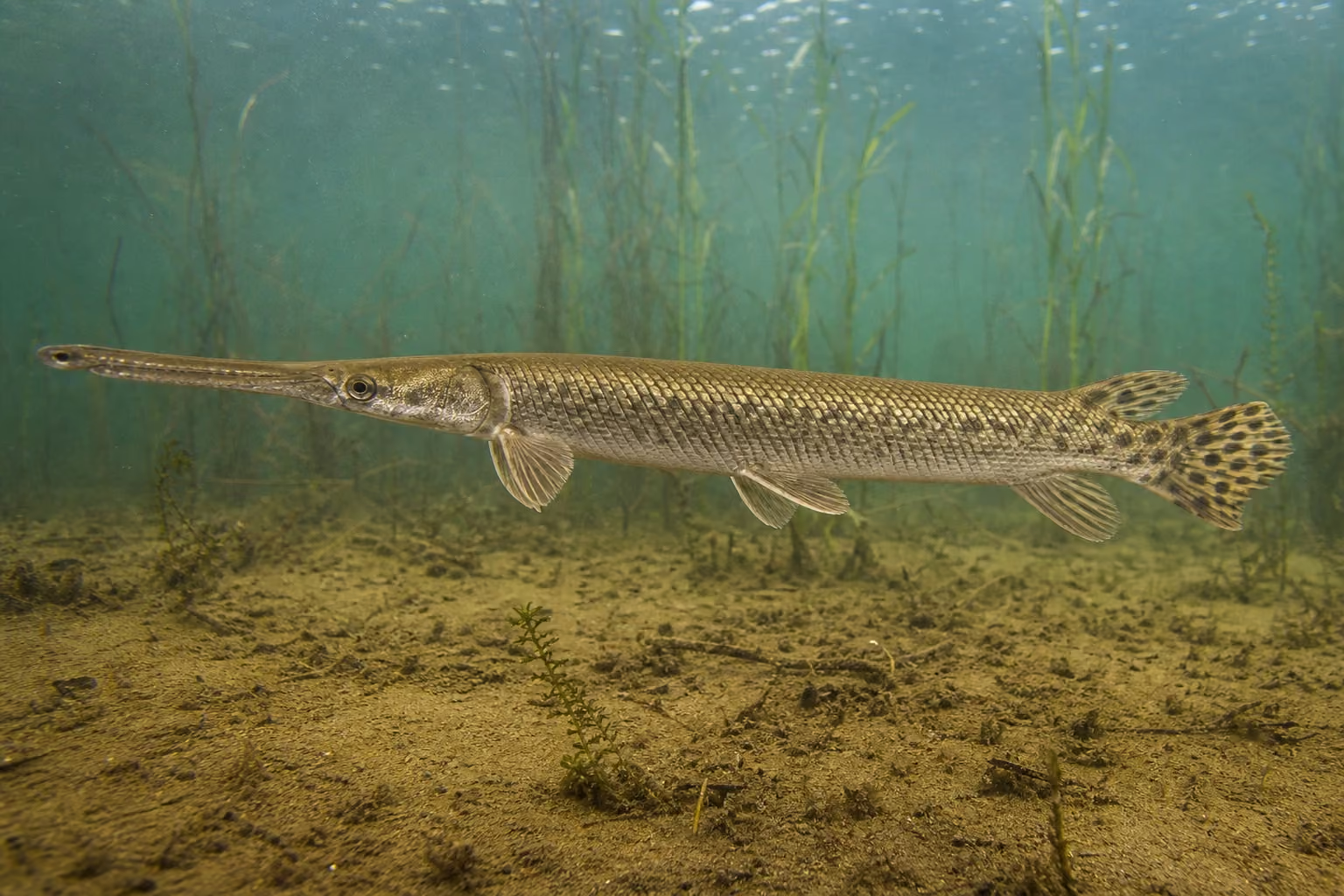
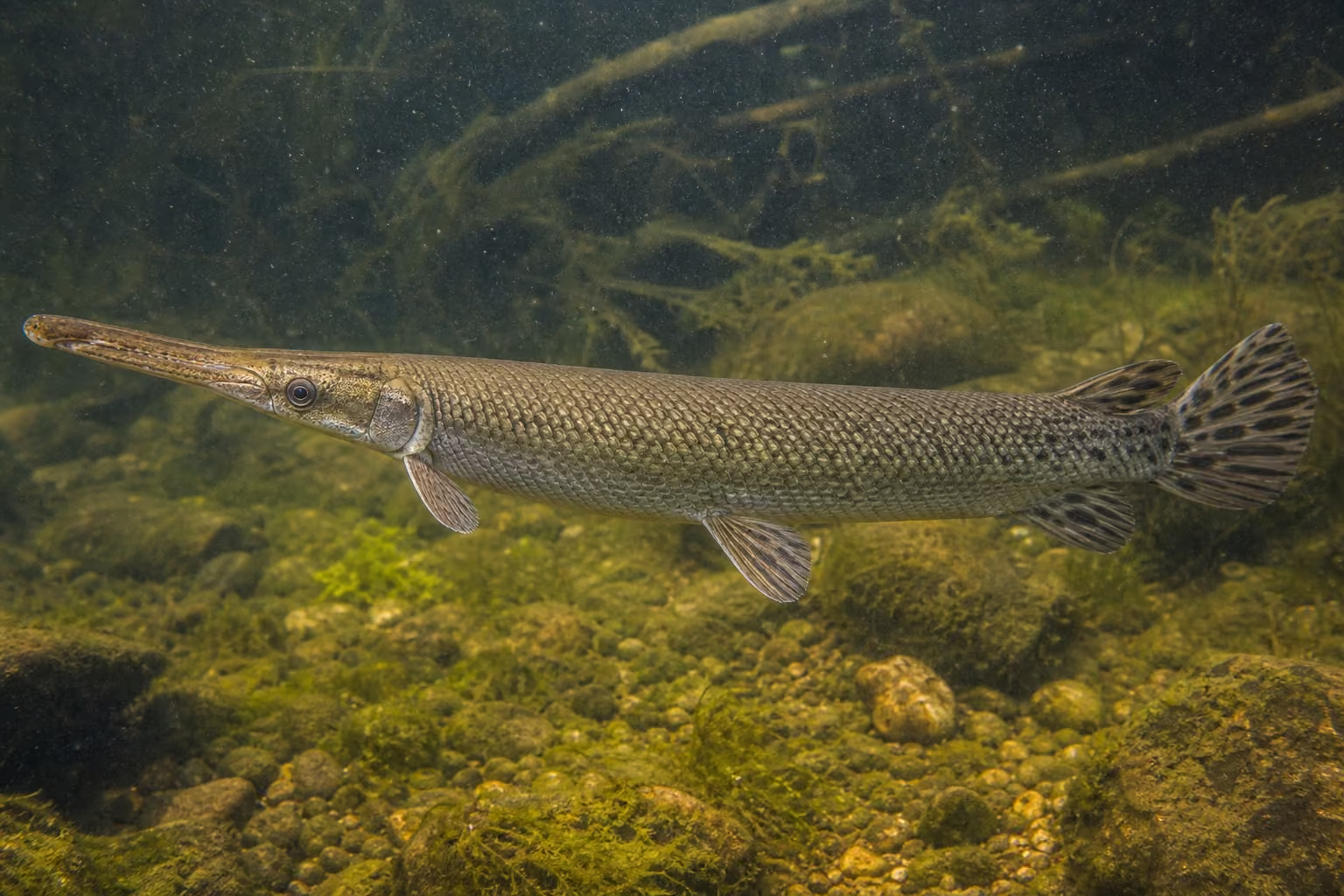
Longnose gar

Details

Longnose gar

Lepisosteus osseus

Size
0.6–1.8 m · 1.5–5 kg
Diet
Carnivore
Activity
Crepuscular
Sociality
Solitary
Lifespan
15–30 years

The longnose gar is an ancient-looking North American fish with a narrow snout and armorlike scales. Around twilight it ambushes small fish in shallow freshwater.
Range

Habitat range map
Native range Occasional / Transient
NearcticNearcticNearcticNearcticNearcticNearcticNearcticNearcticNearcticNearcticNearcticNearcticNearcticNearcticNearcticNearcticNearcticNearcticNearcticNearcticNearcticNearcticNearcticNearcticNearcticNearcticNearcticNearcticNearcticNearcticNearcticNearcticNearcticNearcticNearcticNearcticNearcticNearcticNearcticNearcticNearctic

Map: Ecoregions 2017 © RESOLVE (CC BY 4.0) · Natural Earth (PD)

Details

Habitat

It inhabits rivers, lakes, and wetlands of the Nearctic. Weedy shallows and slow shorelines are often used.

Appearance

Length 60-180 cm; weight 1.5 kg-5 kg. A long tubular snout carries sharp teeth, and hard diamond-shaped scales cover the body. The slender form hides well among vegetation.

Behavior

Crepuscular activity is strong, and adults often ambush alone. It can gulp air and supplement breathing with the swim bladder, tolerating low oxygen.

Feeding

A carnivore, it feeds mainly on small fishes. It hangs beside prey, then snaps sideways with a quick swing of the head.

Reproduction

Spawning occurs in shallow water from spring into early summer, with adhesive eggs placed on plants or bottom. The eggs are toxic, and adults provide no care.

Notes

It is listed as Least Concern, though local populations can still be affected by habitat change, collection, or pollution.