083 Featured Specimen
King cobra

Details

King cobra

Ophiophagus hannah

Size
3–5.5 m · 6–12 kg
Diet
Carnivore
Activity
Diurnal
Sociality
Solitary
Lifespan
Varies by species and environment

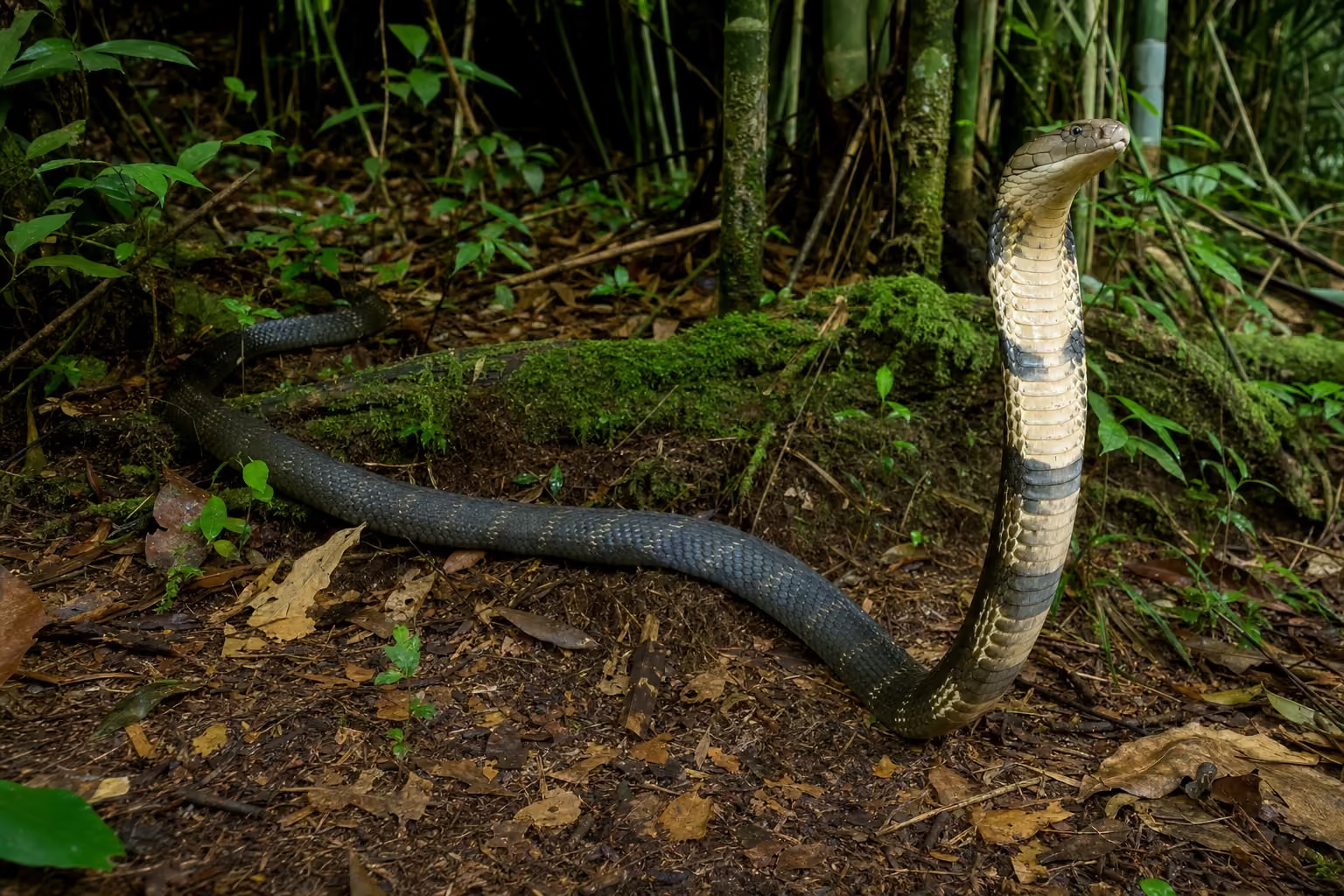
The world's longest venomous snake, its genus name means "snake-eater" for its diet of other serpents. When threatened it rears up to a meter, spreads a narrow hood and emits a low, dog-like growl.
Range

Habitat range map
Native range Occasional / Transient
IndomalayanIndomalayanIndomalayanIndomalayanIndomalayanIndomalayanIndomalayanIndomalayanIndomalayanIndomalayanIndomalayanIndomalayanIndomalayanIndomalayanIndomalayan

Map: Ecoregions 2017 © RESOLVE (CC BY 4.0) · Natural Earth (PD)

Details

Habitat

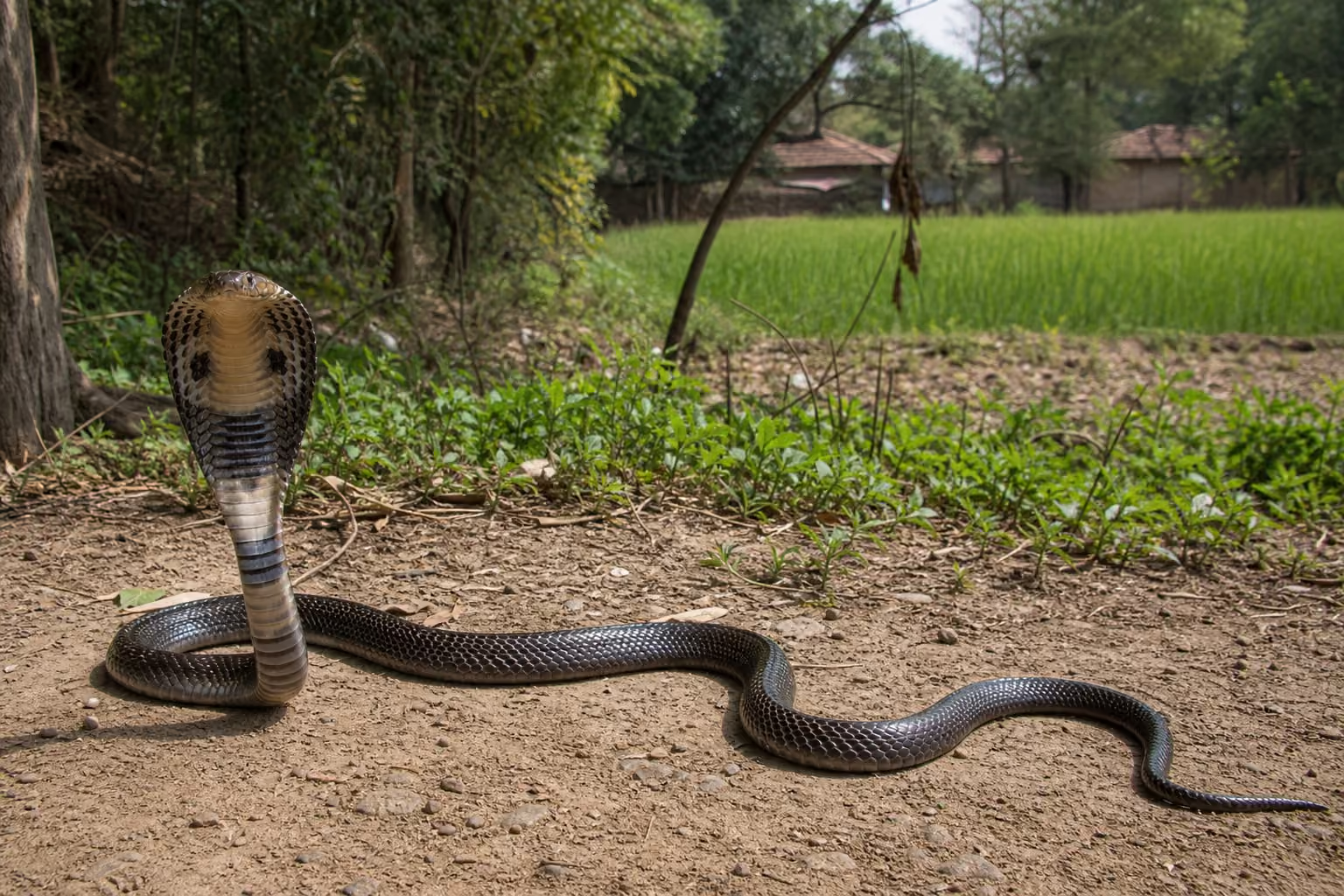
It ranges across tropical Asia from eastern India through Indochina, the Malay Peninsula, Indonesia, the Philippines and southern China. It favours forest up to about 2,000 m but also appears along farmland edges and grassland.

Appearance

A massive elapid reaching 3 to 5.5 m and 6 to 12 kg. Adults are olive to dark brown with faint pale crossbands and a lighter yellowish belly, while juveniles are jet black with bold white or yellow chevrons. The flared neck forms its signature hood.

Behavior

Solitary and wide-ranging, it usually slips away from people when disturbed. In a threat display it lifts the forebody high, spreads the hood and growls at frequencies near 600 Hz, yet it aggressively guards its nest once eggs are laid.

Feeding

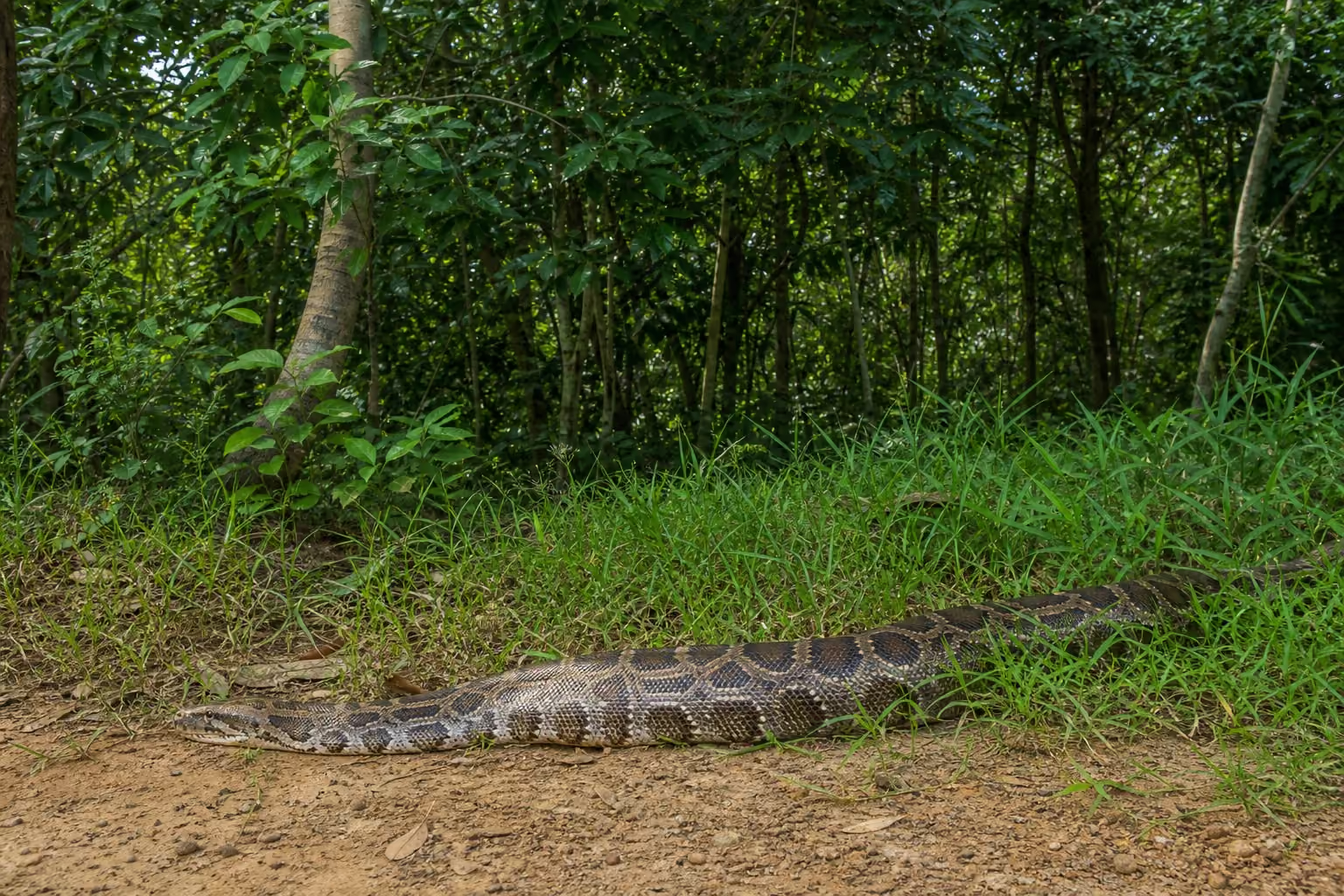
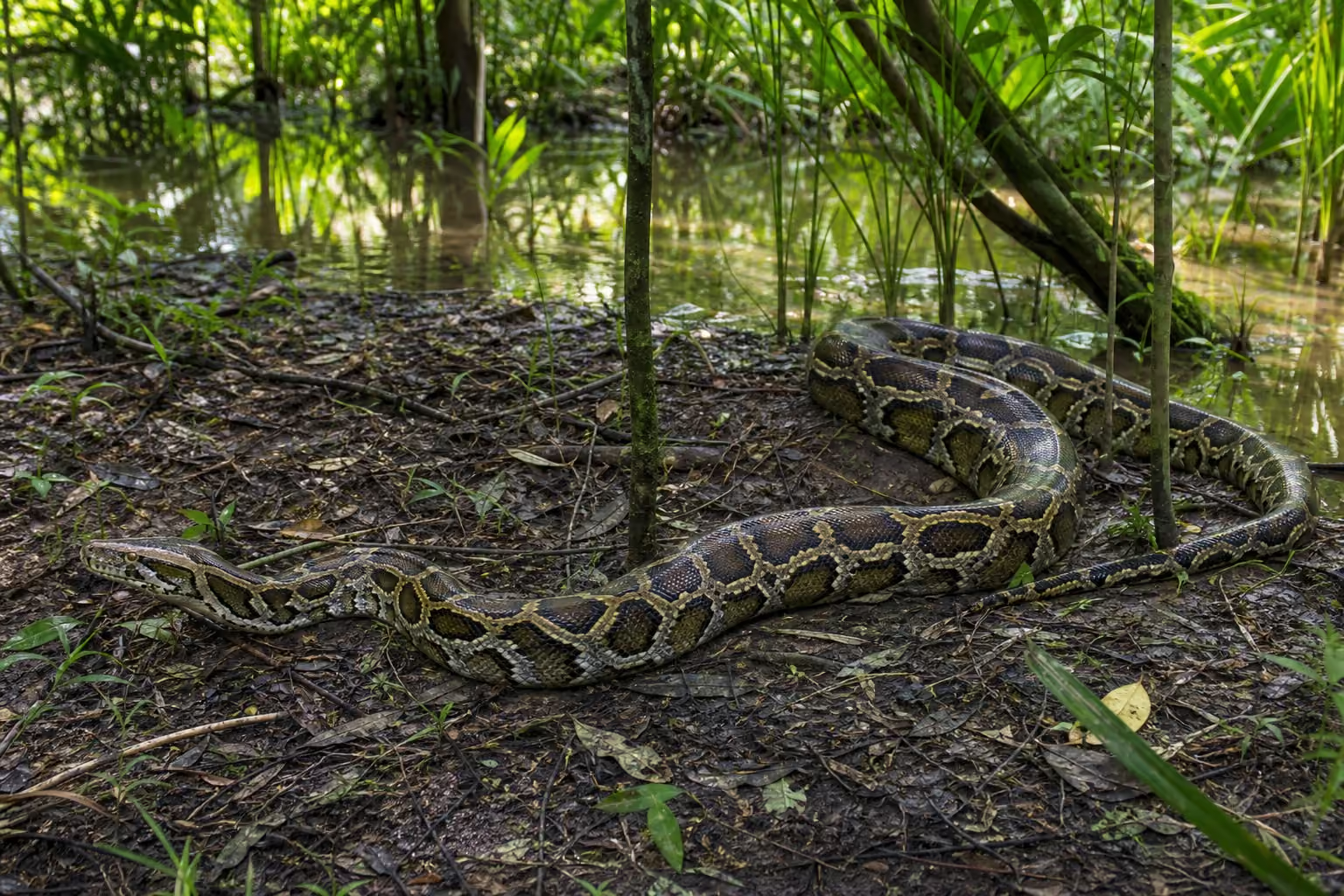
It preys mainly on other snakes, including cobras and pythons, and will take its own kind, plus monitor lizards. Hunting by keen sight and venom, it can fast for months after a large meal thanks to a slow metabolism.

Reproduction

Uniquely among snakes, the female scrapes dry leaf litter into a mound nest. She lays roughly 20 to 40 eggs and coils nearby to guard them; after about two to three months hatchlings of 40 to 50 cm emerge.

Notes

Deforestation, farmland expansion, poaching and the illegal trade all pressure its populations. Its potent neurotoxic venom can kill a human, yet it is revered across South and Southeast Asia and is India's national reptile.