585 Featured Specimen
Japanese anchovy

Details

Japanese anchovy

Engraulis japonicus

Size
8–15 cm · 5–30 g
Diet
Filter Feeder
Activity
Cathemeral
Sociality
Herd
Lifespan

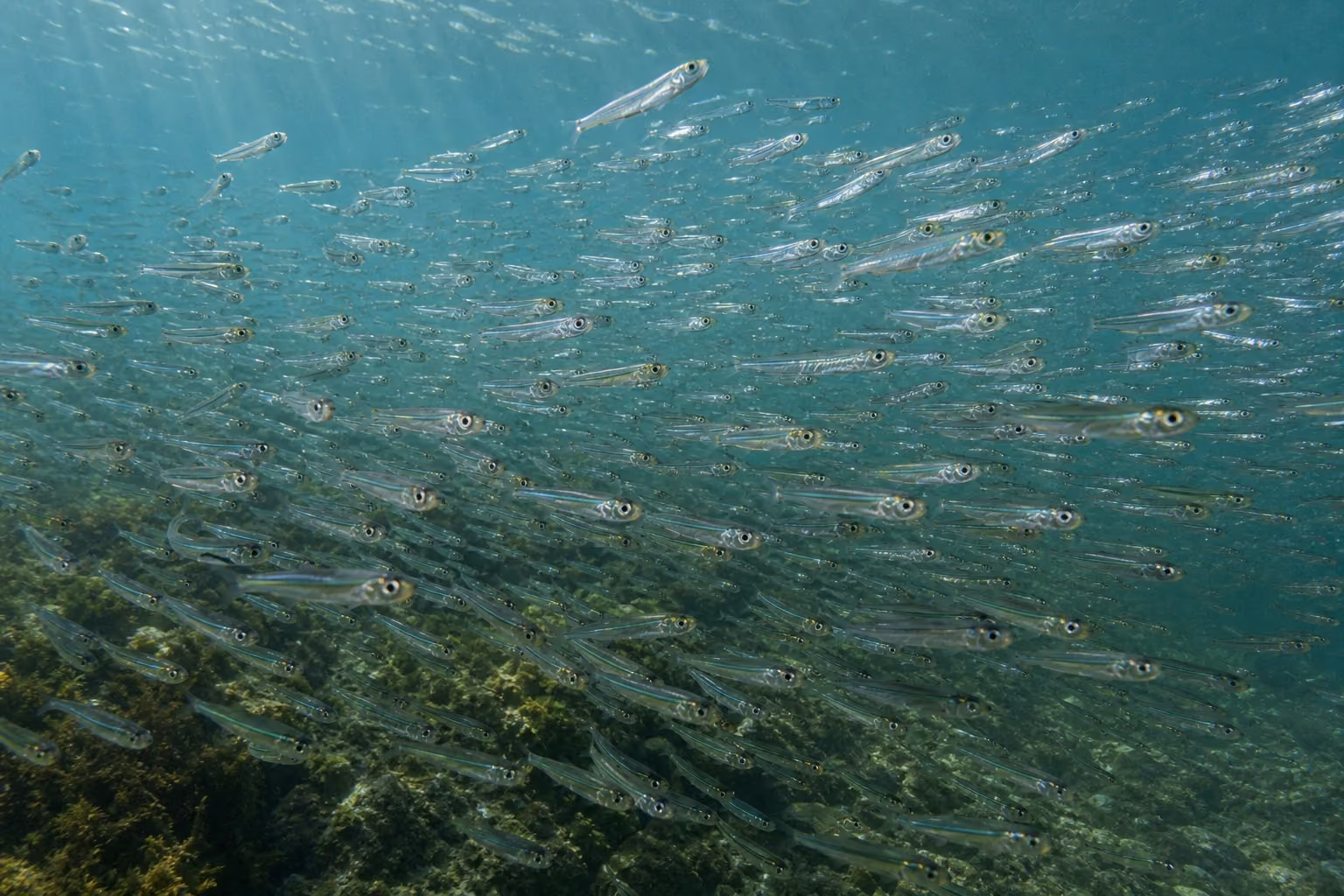
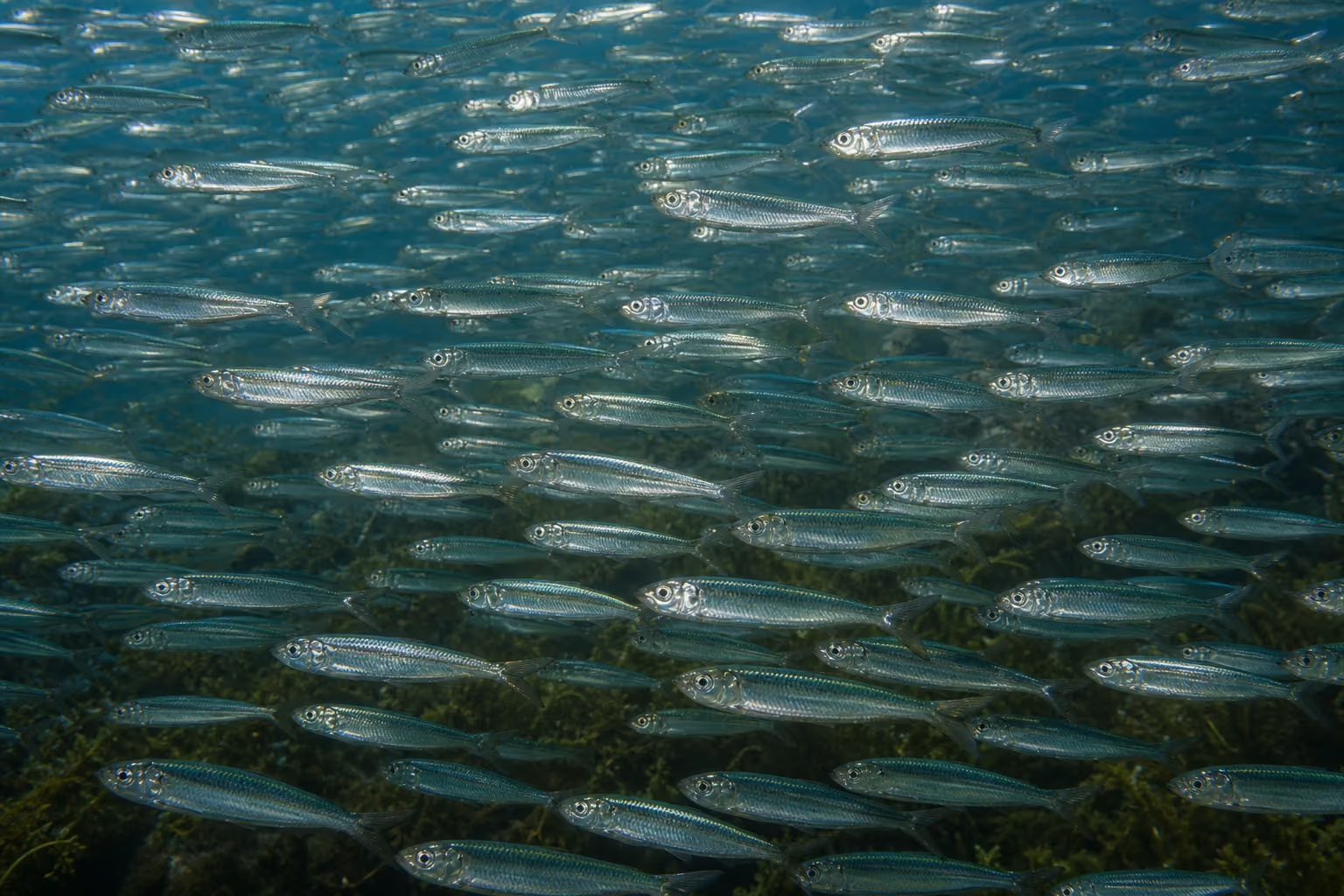
A small schooling anchovy of East Asian coasts. It is familiar in Japanese foods such as niboshi and shirasu and is a key forage fish.
Range

Habitat range map
Native range Occasional / Transient
Pacific OceanPacific OceanPacific OceanPalearcticPalearcticPalearcticPalearcticPalearcticPalearcticPalearcticPalearcticPalearcticPalearcticPalearcticPalearcticPalearcticPalearcticPalearcticPalearcticPalearcticPalearcticPalearcticPalearcticPalearcticPalearcticPalearcticPalearctic

Map: Ecoregions 2017 © RESOLVE (CC BY 4.0) · Natural Earth (PD)

Details

Habitat

Occurs in shallow coastal waters from Japan and Korea to China and Taiwan. Schools use surface and midwater layers near shore.

Appearance

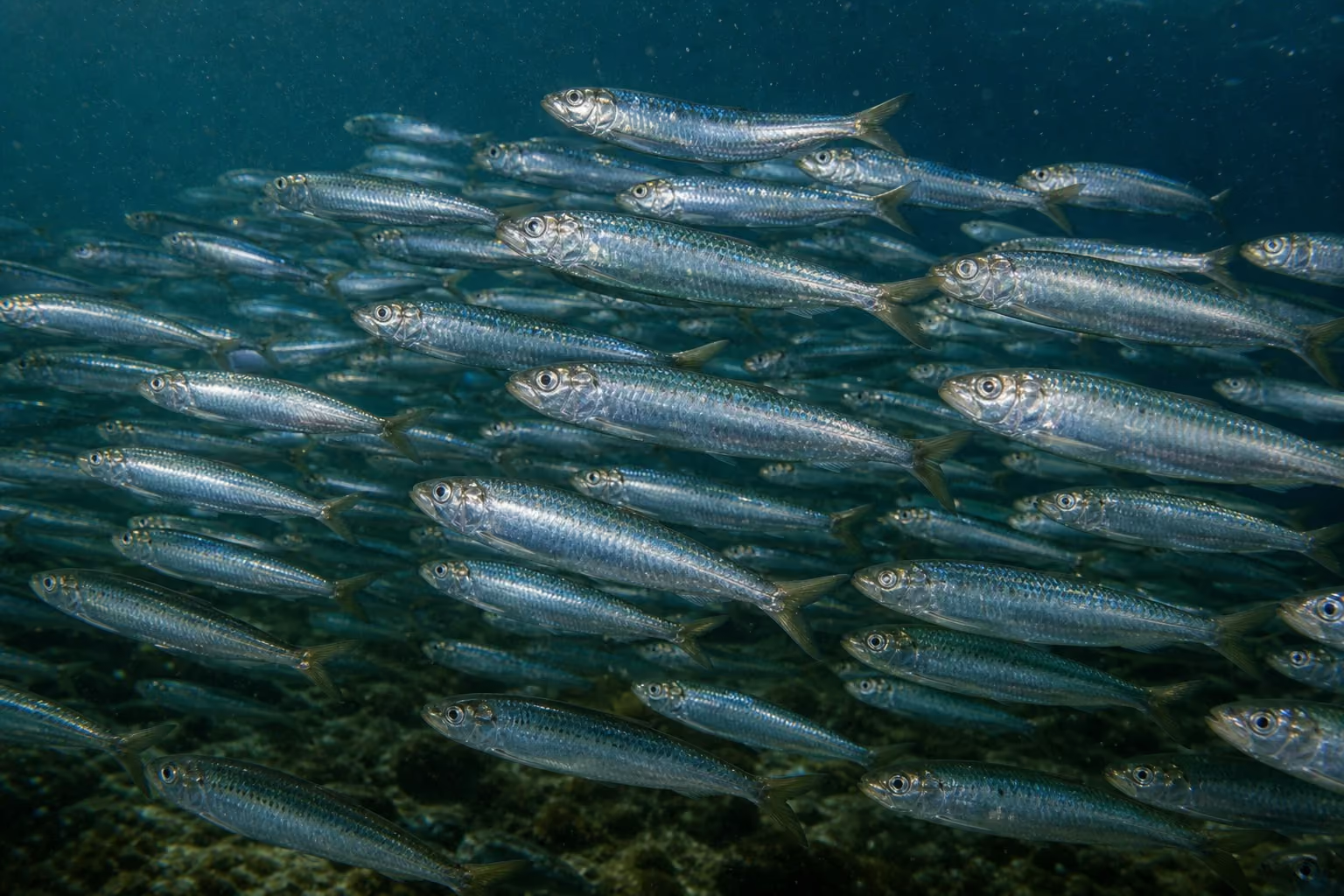
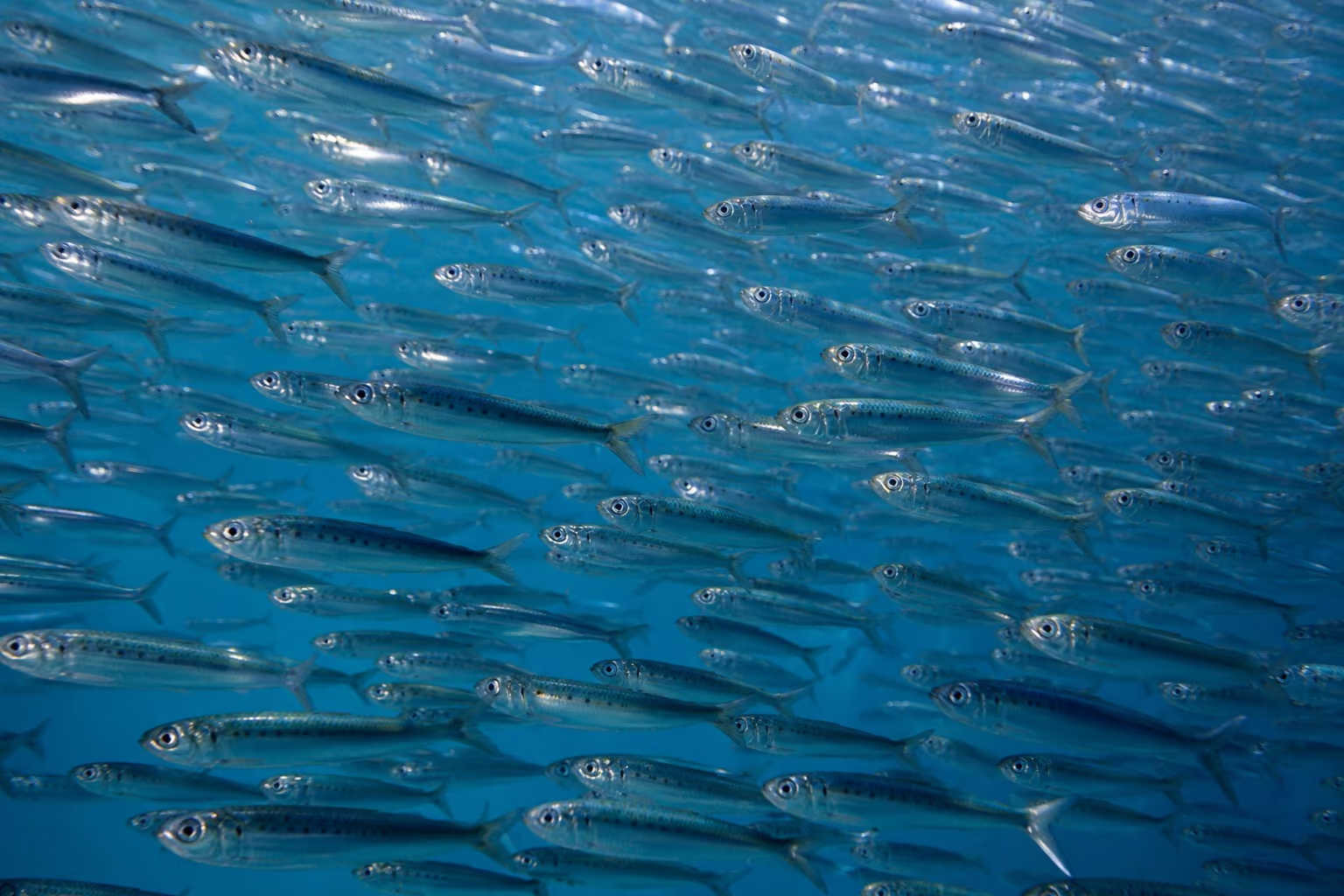
The body is slender and silvery, with a large mouth and short lower jaw. The back has a pale blue-green sheen.

Behavior

It swims in dense schools and shifts along coasts with season and water temperature. Schools turn rapidly when predators approach.

Feeding

It filters phytoplankton, zooplankton, and small crustaceans from the water. Larvae depend on tiny planktonic food.

Reproduction

Adults release buoyant eggs into the water. Larvae grow as coastal plankton, with spawning strongest in warmer seasons.

Notes

It feeds seabirds, tuna, bonito, and many larger fishes. Catches can fluctuate with currents and coastal water temperature.