602 Featured Specimen
European pilchard

Details

European pilchard

Sardina pilchardus

Size
10–27 cm · 20–150 g
Diet
Filter Feeder
Activity
Cathemeral
Sociality
Herd
Lifespan

A small schooling clupeid of the eastern Atlantic and Mediterranean. Its silvery shoals are harvested widely as sardines.
Range

Habitat range map
Native range Occasional / Transient
Atlantic OceanAtlantic OceanAtlantic OceanAtlantic OceanAtlantic OceanPalearcticPalearcticPalearcticPalearcticPalearcticPalearcticPalearcticPalearcticPalearcticPalearcticPalearcticPalearcticPalearcticPalearcticPalearcticPalearcticPalearcticPalearcticPalearcticPalearcticPalearcticPalearcticPalearcticPalearctic

Map: Ecoregions 2017 © RESOLVE (CC BY 4.0) · Natural Earth (PD)

Details

Habitat

Occurs from coastal to offshore surface waters of the northeastern Atlantic, Mediterranean, and nearby seas, especially productive upwelling areas.

Appearance

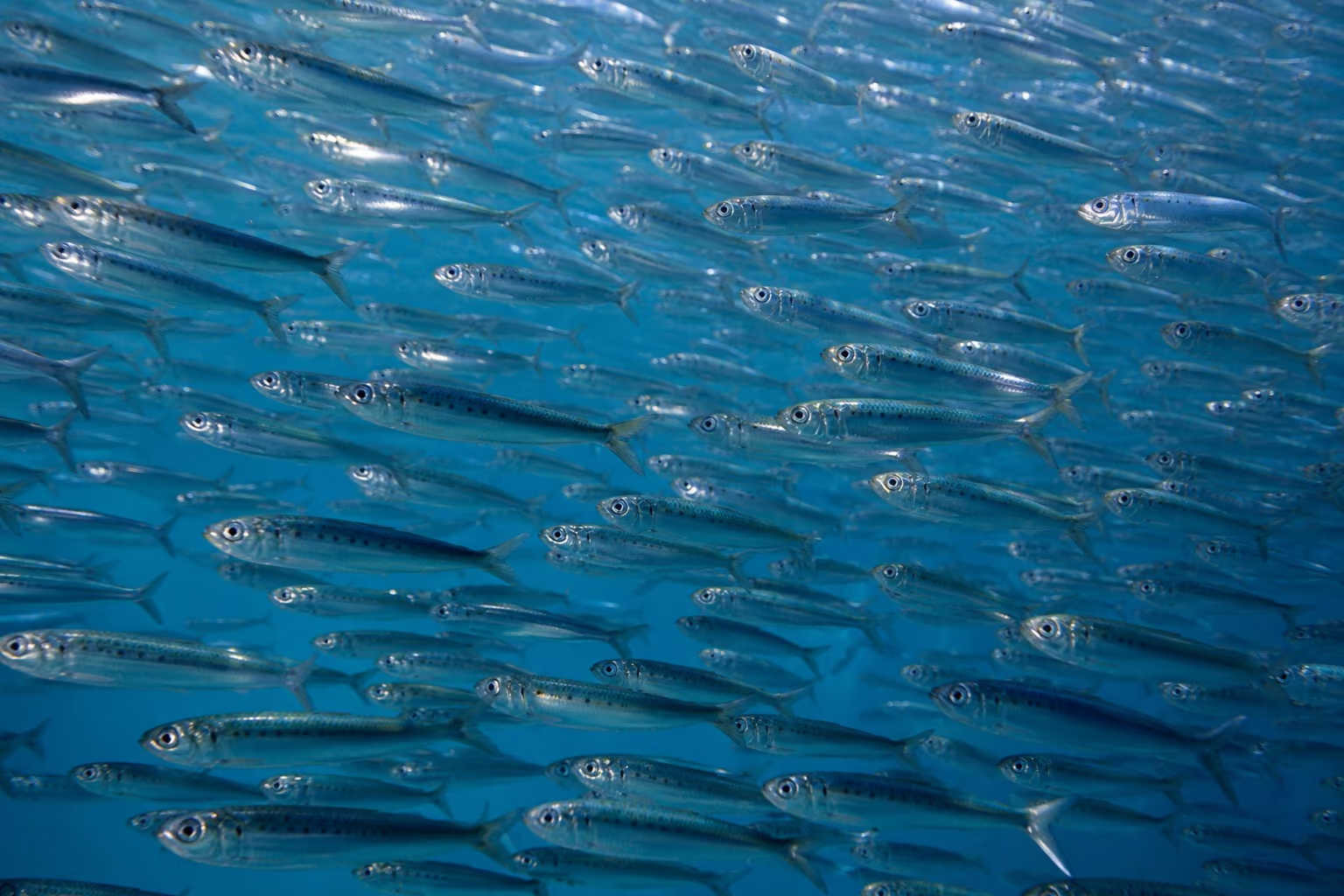
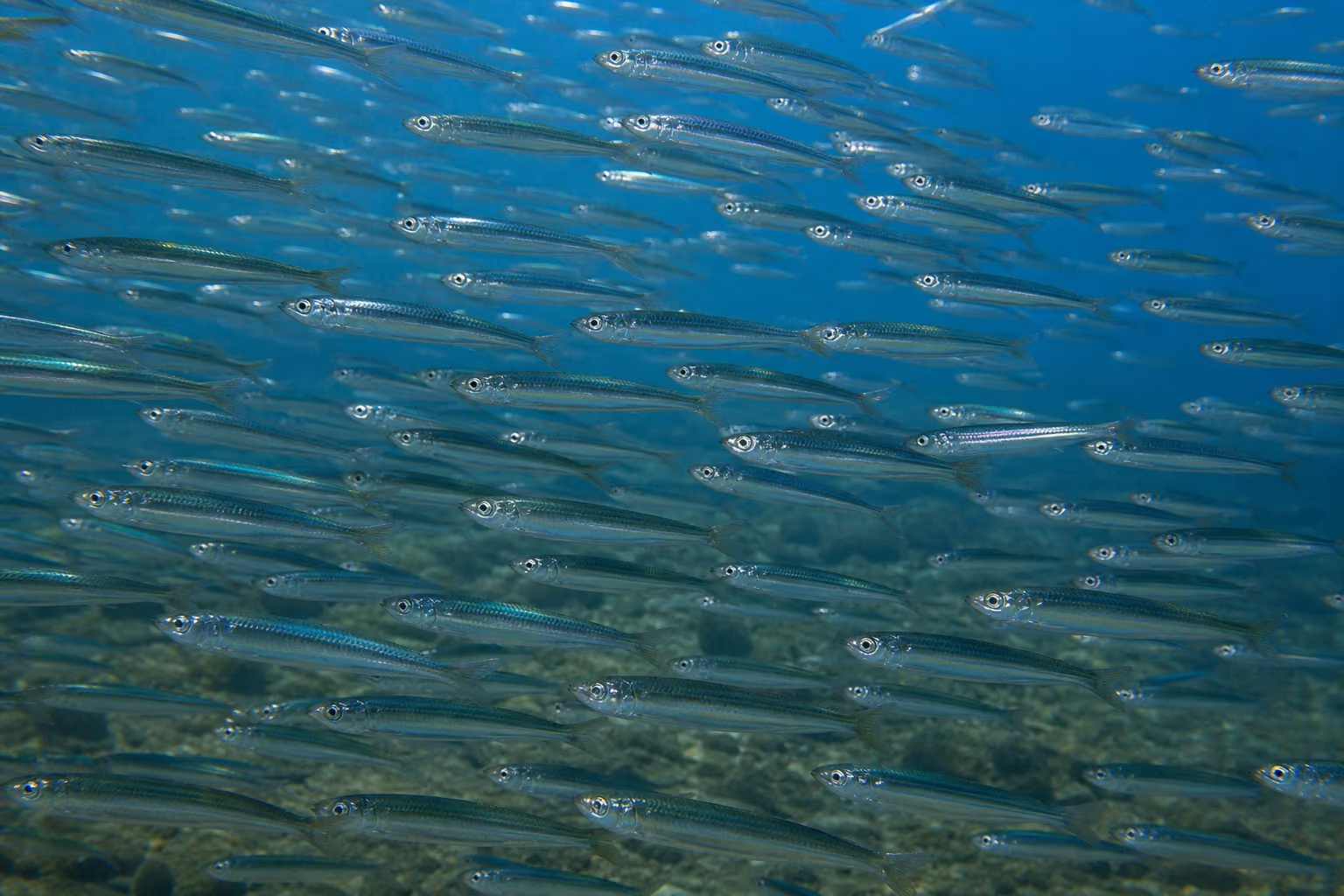
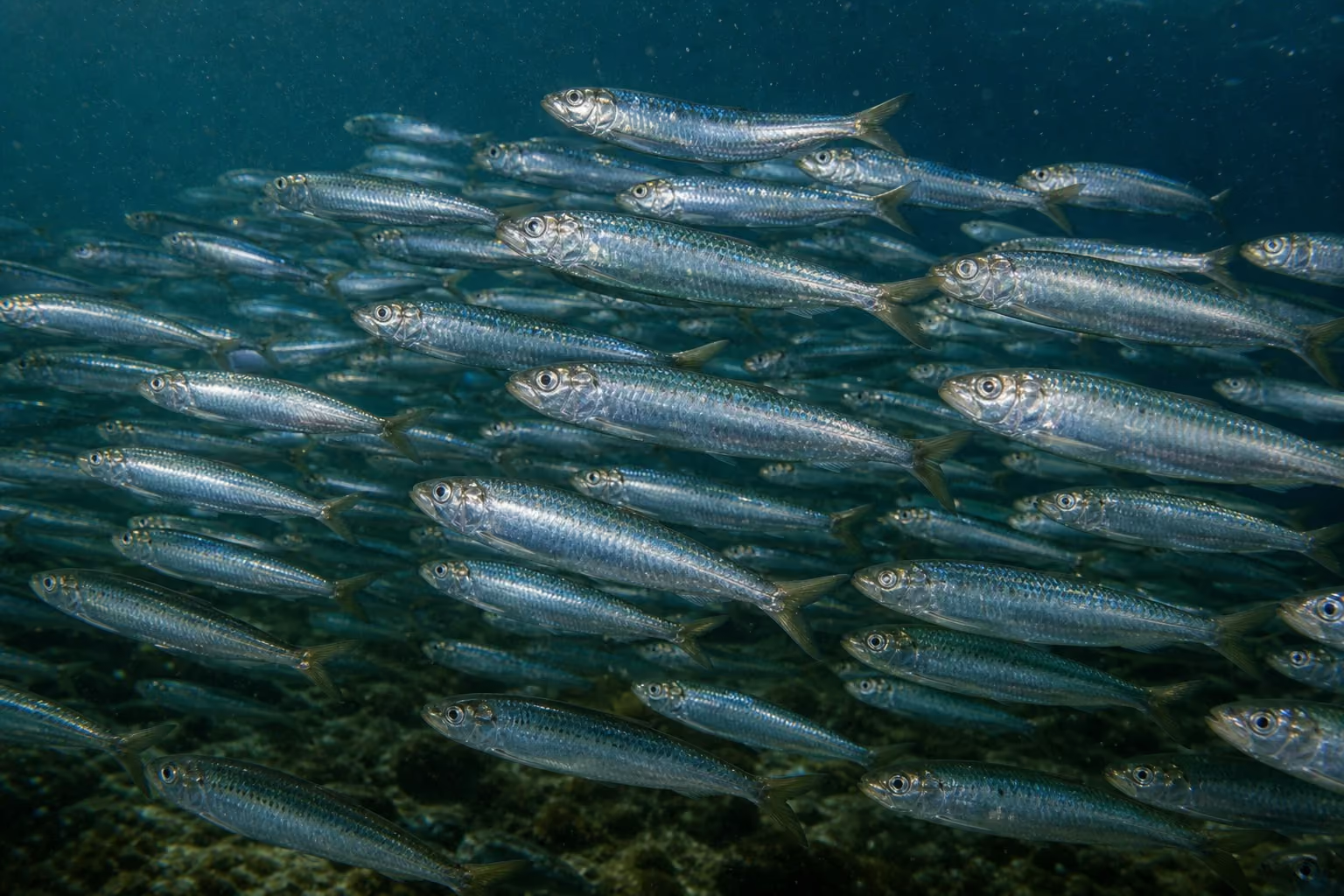
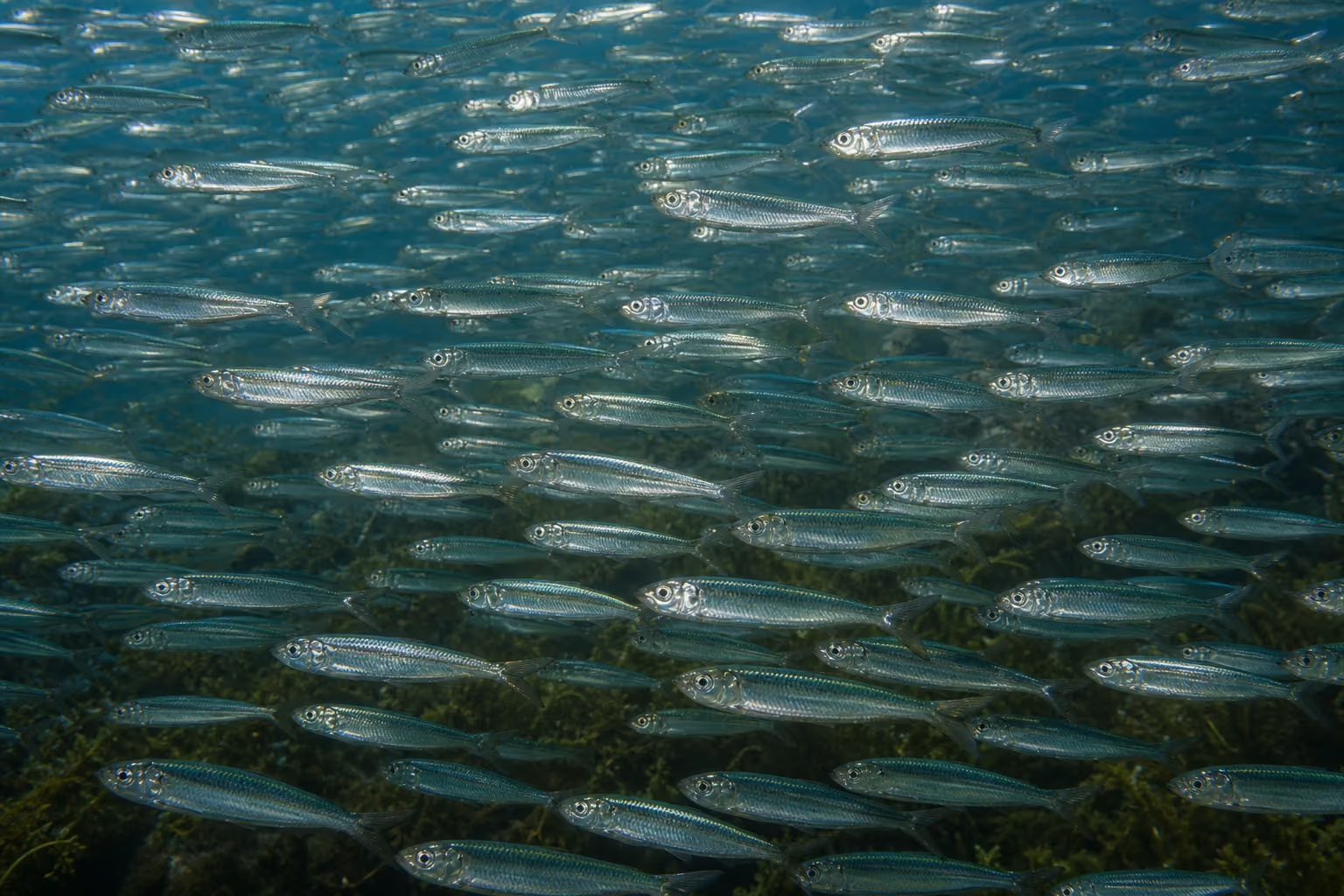
The body is slender and silver with a blue-green back. Small dark spots may appear along the sides.

Behavior

It swims in large schools and shifts depth between day and night. Schools tighten when predators approach.

Feeding

It filters phytoplankton and zooplankton. Seasonal plankton abundance strongly affects growth.

Reproduction

Adults release eggs into open water, and larvae drift as surface plankton. Spawning seasons vary by region.

Notes

Pilchards have long been canned, salted, and eaten fresh. They are also important prey for seabirds, larger fish, and dolphins.