355 Featured Specimen
Greater rhea

Details

Greater rhea

Rhea americana

Size
1.3–1.4 m · 20–40 kg
Diet
Herbivore
Activity
Diurnal
Sociality
Herd
Lifespan
10–15 years

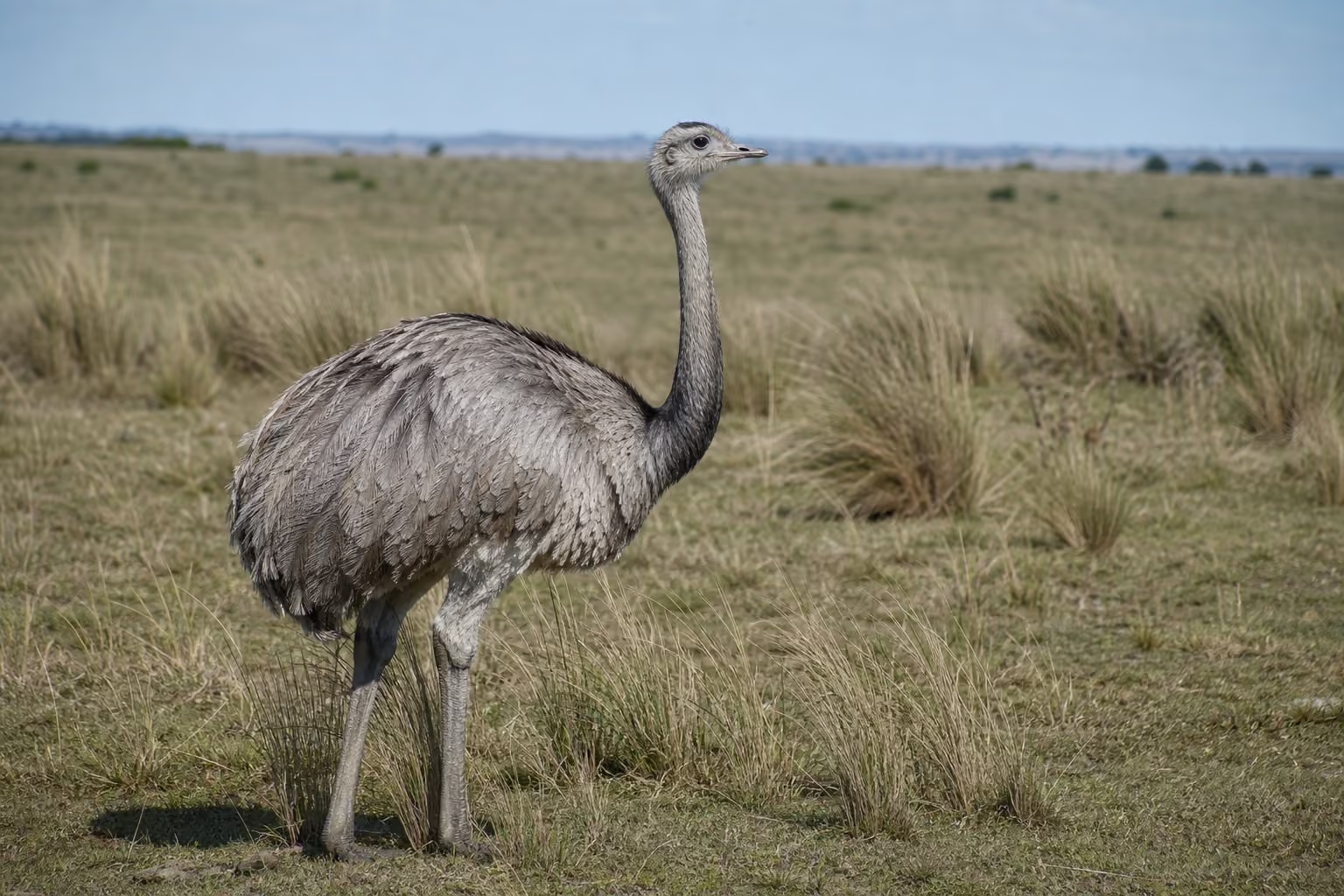
The greater rhea is a large flightless bird that walks in groups across South American grasslands. Long legs and neck suit open country, and the diet is mainly plant-based.
Range

Habitat range map
Native range Occasional / Transient
NeotropicalNeotropicalNeotropicalNeotropicalNeotropicalNeotropicalNeotropicalNeotropical

Map: Ecoregions 2017 © RESOLVE (CC BY 4.0) · Natural Earth (PD)

Details

Habitat

It uses Neotropical pampas, grasslands, open woodland, and ranchland. Open landscapes with clear sightlines allow flocks to walk while feeding.

Appearance

Length is 127-140 cm and weight 20-40 kg. It has soft grey-brown plumage, long legs, a long neck, and small wings used for balance while running.

Behavior

Diurnal birds live in herds. During breeding, males hold territories and several females may lay eggs in a single male's nest.

Feeding

A herbivore, it feeds mainly on grasses, leaves, seeds, and fruit. Small animals such as insects may be taken, but plants dominate the diet.

Reproduction

The male builds a ground nest and incubates a large clutch. After hatching, he leads and defends the chicks.

Notes

It is listed as Near Threatened. Conversion of grassland, hunting, and egg collection contribute to local declines.