410 Featured Specimen
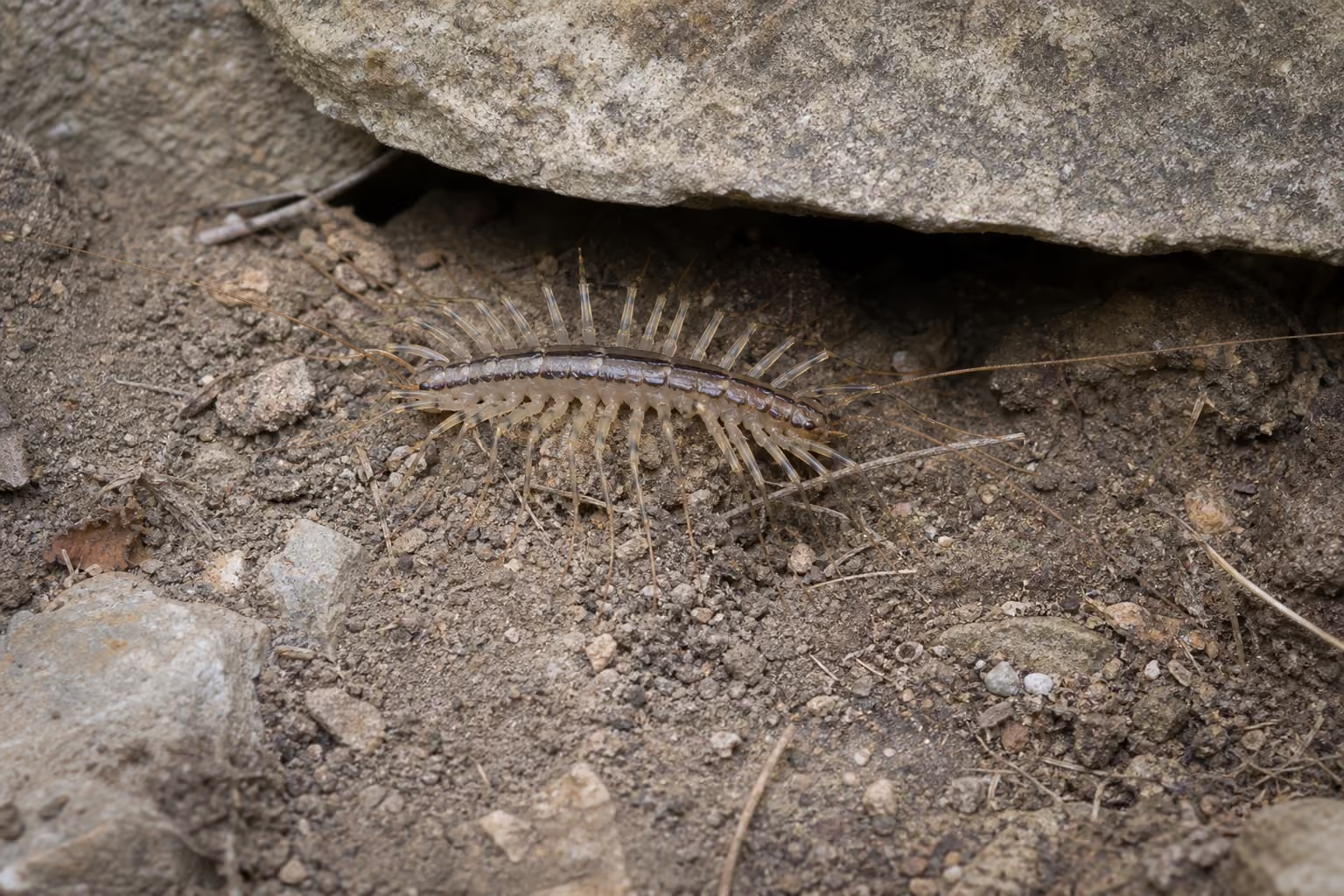
House centipede

Details

House centipede

Scutigera coleoptrata

Size
2.5–5 cm · 0.1–0.3 g
Diet
Carnivore
Activity
Nocturnal
Sociality
Solitary
Lifespan
3–7 years

The house centipede is a long-legged little predator of buildings and leaf litter. It often startles people indoors, but it hunts insects and other small arthropods at night.
Range

Habitat range map
Native range Occasional / Transient
PalearcticPalearcticPalearcticPalearcticPalearcticPalearcticPalearcticPalearcticPalearcticPalearcticPalearcticPalearcticPalearcticPalearcticPalearcticPalearcticPalearcticPalearcticPalearcticPalearcticPalearcticPalearcticPalearcticPalearcticNearcticNearcticNearcticNearcticNearcticNearcticNearcticNearcticNearcticNearcticNearcticNearcticNearcticNearcticNearcticNearcticNearcticNearcticNearcticNearcticNearcticNearcticNearcticNearcticNearcticNearcticNearcticNearcticNearcticNearcticNearcticNearcticNearcticNearcticNearcticNearcticNearcticNearcticNearcticNearcticNearctic

Map: Ecoregions 2017 © RESOLVE (CC BY 4.0) · Natural Earth (PD)

Details

Habitat

It occurs across the Palearctic and Nearctic, using forest litter, stones, cellars, bathrooms, and other damp shelters. Dark crevices that keep it from drying out are key refuges.

Appearance

Length 2.5-5 cm; weight 0.05-0.3 g. A slim body carries extremely long legs and antennae, often banded and spread like a fringe. The light build lets it race across floors and walls.

Behavior

Nocturnal and solitary, it rests in cover by day. After dark it uses speed and touch-sensitive legs to close quickly on prey.

Feeding

A carnivore, it takes small insects, spiders, mites, and similar animals. Venomous forcipules hold and subdue prey before feeding.

Reproduction

Females lay eggs in damp sheltered places. Young add body segments and legs as they grow, hunting small prey on their own.

Notes

Listed as Least Concern, it is widespread and tolerant of human-made habitats. Despite its striking look, it can reduce small indoor pests.